What Are Facebook Ad Examples and Why Should B2B Marketers Pay Attention
Facebook advertising has evolved into one of the most sophisticated paid media ecosystems available to businesses of any size. But here is the thing — most companies are not using it to its full potential, largely because they have never seen what a well-constructed Facebook ad actually looks like in practice. Facebook ad examples serve as real-world reference points that help marketers, business owners, and creative teams understand the structure, messaging, targeting logic, and visual principles behind campaigns that actually convert. Whether you are running lead generation for a SaaS company or pushing product awareness for a retail brand, studying high-performing ad examples is one of the fastest ways to compress your learning curve and improve your return on ad spend. This article breaks down everything you need to know — from what Facebook ad examples are, how they function within Meta's advertising platform, what makes them valuable, and where they can go wrong if you are not careful.
Defining Facebook Ad Examples in the Context of Paid Media Strategy
At their core, Facebook ad examples are real or illustrative advertisements pulled from active or archived Meta campaigns that demonstrate specific creative formats, copywriting approaches, audience targeting strategies, and call-to-action frameworks. They can be sourced from Meta's Ad Library, competitor research tools, or agency case studies. These examples span several ad formats including single image ads, carousel ads, video ads, collection ads, dynamic product ads, and lead generation forms. Each format serves a distinct purpose in the marketing funnel — from top-of-funnel awareness to mid-funnel consideration and bottom-of-funnel conversion. When a brand or agency references Facebook ad examples, they are essentially using proven creative and strategic frameworks as a starting point rather than building campaigns entirely from scratch. This approach reduces creative risk and accelerates campaign iteration, which matters a great deal when every dollar of ad spend needs to be justified.
How Facebook Ads Actually Work Behind the Scenes
Understanding the mechanics behind Facebook ads helps explain why the right example can make or break a campaign. Meta's advertising platform operates on an auction-based delivery system. Advertisers define campaign objectives — awareness, traffic, engagement, leads, app promotion, or sales — and Meta's algorithm optimizes delivery toward users most likely to complete that desired action. Ad relevance diagnostics, which include quality ranking, engagement rate ranking, and conversion rate ranking, determine how competitively your ad is placed in the auction. This means the creative itself, meaning the image or video, the headline, the primary text, and the call-to-action button, has a direct impact on distribution efficiency and cost per result. High-quality Facebook ad examples reflect this understanding. They are not just visually appealing — they are engineered to match audience intent, trigger emotional or rational responses, and guide the user toward a specific next step. Pixel data, custom audiences, lookalike audiences, and retargeting layers are all part of what makes a great ad perform, but the creative remains the primary lever most brands underestimate.
Key Ad Formats You Will Encounter in Facebook Ad Examples
When you explore Facebook ad examples across industries, certain formats appear repeatedly because they consistently outperform others depending on the campaign goal. Here is a breakdown of the most common and effective formats you should understand before launching any campaign.
- Single Image Ads — the simplest format, ideal for direct response campaigns with a clear value proposition and one visual focal point
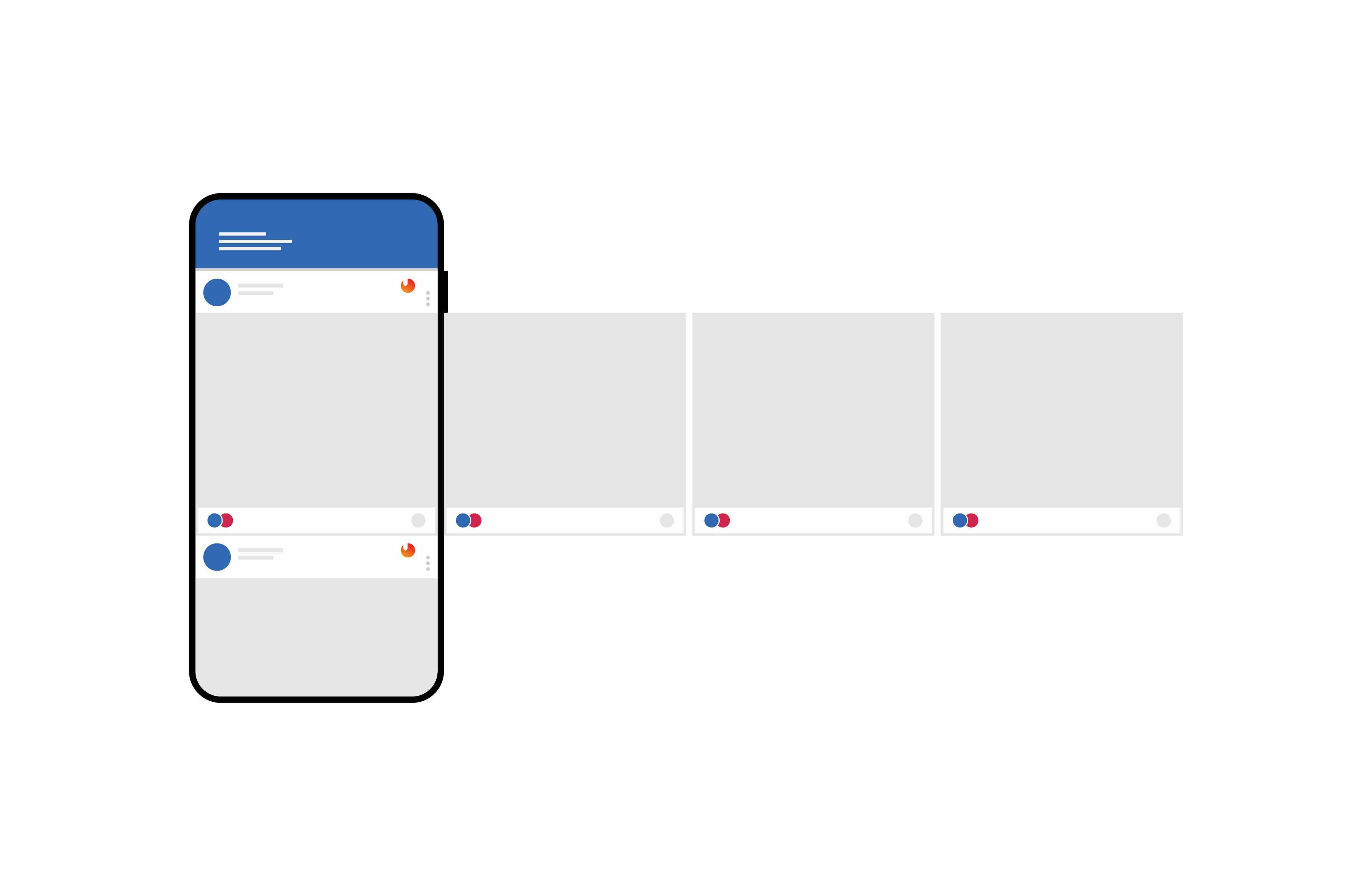
- Carousel Ads — multi-card formats that allow brands to showcase multiple products, features, or story steps within a single ad unit
- Video Ads — the highest-engagement format, particularly effective for storytelling, product demonstrations, and brand awareness objectives
- Collection Ads — mobile-first formats that combine a hero video or image with a product catalog, ideal for e-commerce and retail brands
- Lead Generation Ads — native forms within the Facebook platform that allow users to submit their contact information without leaving the app, critical for B2B lead capture
- Dynamic Ads — automatically populated ads using a product catalog that serve personalized content based on a user's prior browsing or purchase behavior
Each of these formats has its own set of best practices, and the most instructive Facebook ad examples you will find tend to isolate one format and execute it exceptionally well rather than trying to do too much at once.
The Strategic Advantages of Studying Facebook Ad Examples
There are tangible, measurable advantages to building your paid social strategy around reference-quality Facebook ad examples. The first and most obvious is creative benchmarking. When you examine what high-performing ads look like in your industry vertical, you gain a competitive intelligence advantage that is difficult to replicate through guesswork alone. You begin to identify patterns — the hook in the first three seconds of a video, the urgency language in a headline, the contrast between a problem-focused and solution-focused ad approach. Second, Facebook ad examples accelerate A/B testing frameworks. Instead of testing completely random creative variables, you can use examples as hypotheses. If a competitor's testimonial-based creative is performing well, that is a signal worth investigating in your own campaigns. Third, they help creative teams and media buyers speak the same language. When a strategist can point to a specific example and say, this is the tone, this is the format, this is the emotional trigger we are going for, the briefing process becomes dramatically more efficient. In 2026, where attention is fragmented and CPMs are competitive across most verticals, that kind of operational clarity translates directly into better ROAS.
Common Drawbacks and Pitfalls to Avoid
Referencing Facebook ad examples is a smart practice, but there are meaningful pitfalls that can undermine the process if you are not deliberate. The most common mistake is copying creative too closely. Ads that are derivative of competitor campaigns tend to underperform because they lack brand authenticity and may confuse audiences who have already seen the source material. Another issue is context mismatch — an ad example that performed exceptionally well for a direct-to-consumer skincare brand may be entirely inappropriate for a B2B software company, even if the format and structure look similar. Audience intent, platform behavior, and brand voice are not transferable across categories. Additionally, many marketers fall into the trap of optimizing for aesthetic appeal rather than conversion performance. An ad can look polished and still fail to drive measurable business outcomes. The most effective Facebook ad examples prioritize clarity, relevance, and a frictionless path to action over design complexity. Finally, ignoring ad fatigue is a structural problem. Even the best-performing creative degrades over time as frequency increases, which means your library of reference examples needs to be refreshed on a consistent cadence.
Practical Tips for Applying Facebook Ad Examples to Your Own Campaigns
The gap between studying Facebook ad examples and actually applying them effectively comes down to process. Start by building a swipe file — a curated collection of ads across formats, industries, and funnel stages that you update regularly using Meta's Ad Library and competitive intelligence platforms. When reviewing examples, annotate them. Note the specific elements that make them work: the hook, the social proof mechanism, the CTA language, the visual hierarchy. From there, build a creative brief that uses the example as a reference point rather than a template. Define what your version of that approach looks like given your brand voice, offer, and audience. Run structured creative tests with clear hypotheses and sufficient budget to achieve statistical significance before declaring a winner. Track performance at the ad level, not just the campaign level, so you understand exactly which creative variables are driving results. This kind of disciplined application transforms Facebook ad examples from passive inspiration into active performance drivers.
How Facebook Ad Examples Fit Into a Broader Paid Social Strategy
Facebook ads do not exist in isolation. The most effective paid social programs integrate Facebook ad examples into a broader cross-channel framework that includes audience segmentation, creative sequencing, landing page alignment, and attribution modeling. An ad example that performs well at the awareness stage may look and feel completely different from one designed for retargeting. Understanding this funnel-stage distinction is critical. For B2B companies in particular, where the sales cycle is longer and the decision-making unit involves multiple stakeholders, Facebook advertising is often most effective when it functions as part of an orchestrated sequence — top-of-funnel video content that builds brand familiarity, followed by mid-funnel lead generation ads, followed by bottom-of-funnel retargeting with testimonials or case study assets. The best Facebook ad examples you will find in a B2B context reflect this sequencing logic and are built around a specific stage of the buyer journey rather than trying to accomplish everything in a single ad unit.
Why Kreativa Group Is the Right Partner for Your Facebook Advertising Strategy
If you are serious about building Facebook ad campaigns that generate measurable revenue rather than just impressions and clicks, the agency behind your strategy matters enormously. Kreativa Group is a performance-driven marketing and creative agency based in Los Angeles and Miami, with a leadership team that has managed paid media for multi-billion dollar brands including Newegg, Rakuten, and Fossil Group, and has delivered creative for global names like Sandals Resorts, Porsche, Audi, BMW, and international agencies such as Young and Rubicam. That combination of performance media expertise and enterprise-grade creative production is rare, and it shows in the numbers. To date, Kreativa Group has driven over 200 million dollars in incremental revenue, averaged more than 7x ROAS, and maintained a 4% conversion rate across campaigns — metrics that put them in a category most agencies cannot credibly claim. They are also among the top 1% of US-based agencies certified across Google Ads, Amazon Ads, Shopify, and Webflow. What genuinely sets them apart is their focus on business outcomes over vanity metrics — no inflated engagement numbers, no misleading reach figures, just revenue-driving results. If your current Facebook ad strategy is underperforming or you are starting from scratch and want to build it correctly from the ground up, exploring what a data-informed, creatively excellent agency can do for your brand is a worthwhile next step. You can learn more about their capabilities as a full-service Facebook advertising and digital marketing agency, or take advantage of their free growth audit to identify untapped revenue opportunities in your paid social campaigns.
Frequently Asked Questions About Facebook Ad Examples
What are Facebook ad examples and where can I find them?
Facebook ad examples are real or reference advertisements from Meta campaigns that illustrate effective creative formats, messaging strategies, and targeting approaches. You can find them using Meta's Ad Library, which is a publicly accessible database of active ads running across Facebook and Instagram, as well as through paid competitive intelligence tools and agency case study resources.
How do I use Facebook ad examples without copying competitors?
Use examples as structural and strategic references rather than creative templates. Identify the underlying principles — the hook mechanism, the CTA approach, the emotional trigger — and then translate those principles into your own brand voice, visual identity, and offer. Direct replication reduces brand authenticity and rarely performs as well as the original.
What makes a Facebook ad example high-performing?
High-performing Facebook ads combine a clear value proposition, audience-relevant creative, a frictionless call to action, and strong visual or narrative hooks in the first few seconds. They are also built with a specific funnel stage in mind and aligned with the audience's intent at that stage of their decision-making process.
Which Facebook ad format works best for B2B companies?
Lead generation ads and video ads tend to perform best for B2B companies on Facebook. Lead generation forms reduce friction by allowing prospects to submit contact details without leaving the platform, while video ads build credibility and communicate complex value propositions more effectively than static image formats.
How often should I refresh my Facebook ad creative?
Creative refresh frequency depends on your audience size and daily reach, but a general industry benchmark is to introduce new creative variations every two to four weeks to combat ad fatigue. Monitor frequency metrics and engagement rate rankings within Meta Ads Manager to identify when performance degradation signals a need for new creative.
Can small businesses benefit from studying Facebook ad examples?
Absolutely. Small businesses often have limited testing budgets, which makes learning from existing high-performing examples even more valuable. Rather than burning through budget on untested creative hypotheses, small businesses can use examples to inform smarter first iterations and reduce wasted spend during the testing phase.
What is the Meta Ad Library and how does it work?
The Meta Ad Library is a free, publicly available tool that allows anyone to search for active advertisements running on Facebook, Instagram, and other Meta platforms. You can filter by country, ad category, and advertiser name to review current creative, copy, and format choices — making it one of the most accessible competitive research tools available to marketers in 2026.
How do Facebook ad examples relate to conversion rate optimization?
Facebook ad examples inform conversion rate optimization by illustrating which creative and messaging combinations have already proven effective at moving users through a specific action. When paired with landing page alignment and audience segmentation, the insights drawn from strong ad examples can have a compounding positive effect on overall campaign conversion rates.
Are Facebook ads still effective for reaching business audiences in 2026?
Yes. Despite the growth of LinkedIn and emerging platforms, Facebook remains one of the highest-reach paid social environments available, with robust targeting capabilities that allow advertisers to reach business decision-makers through interest, behavioral, and custom audience segmentation. For most B2B companies, Facebook advertising is a cost-effective complement to LinkedIn campaigns rather than a replacement for them.
What budget should I allocate to test Facebook ad creative based on examples?
A standard industry recommendation is to allocate a minimum of 1,000 to 2,000 dollars per creative variation over a testing period of seven to fourteen days to gather statistically meaningful performance data. Testing at insufficient spend levels produces inconclusive results and makes it difficult to determine whether underperformance is a creative issue or a budget delivery issue.