What Is Geo for Healthcare and Why Is It a Game-Changer for Medical Marketers
If you work in healthcare marketing, you already know how competitive the space is. Every hospital system, specialty clinic, private practice, and telehealth platform is fighting for attention from the same pools of patients and referring providers. Geo for healthcare, or geographic targeting applied within healthcare marketing strategies, is one of the more practical and high-impact tools available to marketing and creative agencies working in this vertical. At its core, geo targeting in healthcare means delivering your campaigns, content, ads, and messaging to specific geographic locations, whether that is a ZIP code, a city radius, a designated market area, or even a precise set of coordinates around a medical facility. It sounds simple enough, but the execution requires real strategy, clean data, and a clear understanding of healthcare compliance considerations. This article breaks down what geo for healthcare actually is, how it functions inside a modern marketing stack, and what your agency should weigh before deploying it for a healthcare client.
How Geographic Targeting Works in Healthcare Marketing
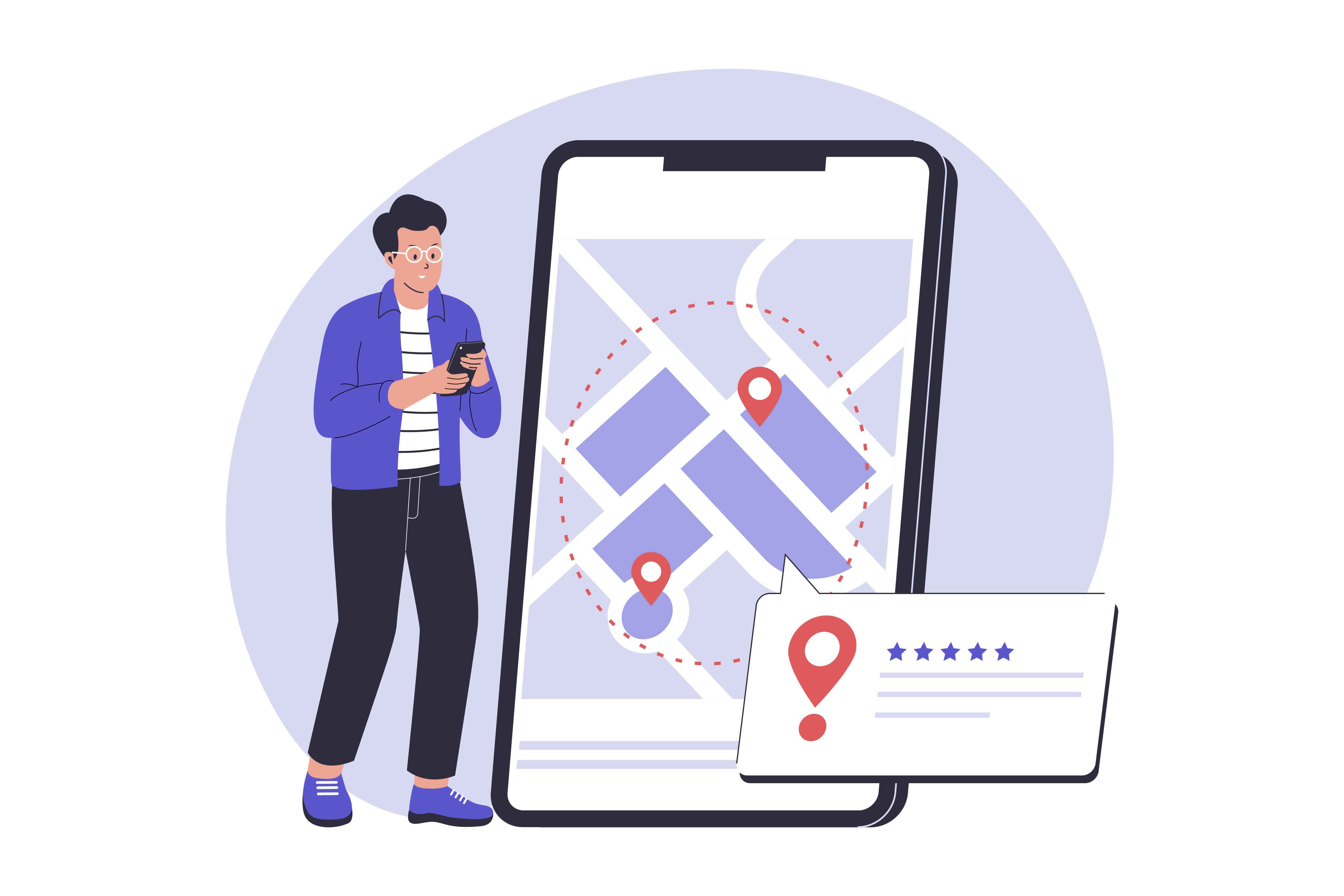
Geo targeting in healthcare operates through a layered set of data signals and platform-level controls. When a prospective patient performs a search like urgent care near me or cardiologist accepting new patients in downtown Miami, search platforms like Google use that user's device location to serve regionally relevant results and paid ads. On the paid media side, campaign managers configure geographic parameters directly inside platforms like Google Ads, Meta Ads Manager, and programmatic demand-side platforms. These settings restrict or prioritize ad delivery to audiences within specific geographic boundaries. Beyond simple radius targeting, sophisticated healthcare campaigns leverage geofencing, which involves drawing a virtual perimeter around a physical location, such as a competitor's clinic, a pharmacy, or a hospital campus. When a device enters or exits that perimeter, it can trigger a targeted ad impression. There is also geo-conquesting, a more aggressive tactic where healthcare brands target individuals who have recently visited competitor locations. Each of these methods uses anonymized device data, IP address signals, and GPS coordinates to make real-time targeting decisions without ever identifying the individual user by name.
Key Advantages of Geo Targeting for Healthcare Organizations
The advantages here are meaningful, not just theoretical. Healthcare marketers who apply geo strategies thoughtfully tend to see measurable efficiency gains across their paid media and content investments. Here is what tends to stand out most when geo targeting is done well in this vertical:
- Hyper-local relevance increases ad engagement because patients respond to messaging that feels specific to their area
- Budget efficiency improves dramatically since spend is concentrated on audiences who can actually access the service
- Drive-time targeting ensures ads reach patients within a realistic commute or travel distance from a facility
- Competitive conquesting allows healthcare brands to intercept patients who are actively comparing providers
- Event-based geofencing creates timely touchpoints around health fairs, screenings, or community events
- Personalized landing page experiences can be geo-triggered to reflect local provider names, addresses, and service offerings
- Local SEO performance improves when content strategy aligns with the geographic signals used in geo targeting campaigns
None of this is magic. It is disciplined campaign architecture combined with smart creative execution, which is where a capable agency earns its value.
Compliance and Privacy Considerations Unique to Healthcare Geo Campaigns
This is where healthcare diverges sharply from other verticals and where agencies must pay close attention. The Health Insurance Portability and Accountability Act, commonly known as HIPAA, governs how protected health information is collected, stored, and used. Geo targeting in healthcare does not automatically create a HIPAA violation, but the way data is collected, matched, and retargeted absolutely can. For example, using geofencing around addiction treatment centers, fertility clinics, or mental health facilities to build retargeting audiences raises serious legal and ethical concerns. The Federal Trade Commission has taken enforcement action in 2026 against companies that misused location data tied to sensitive health conditions. Agencies advising healthcare clients must ensure that any audience data used in geo campaigns does not function as a proxy for sensitive health status. That means working only with HIPAA-compliant vendors, using anonymized and aggregated location data, and steering clear of audience segments that could infer a diagnosis or condition. Transparency in data sourcing, clear data processing agreements with platform partners, and regular compliance reviews are non-negotiable parts of a responsible geo strategy for healthcare clients.
Common Drawbacks and Limitations to Know Before You Launch
Geo targeting for healthcare is genuinely useful, but it is not without real limitations. Data accuracy is one of the most persistent challenges. Device location signals are often imprecise, particularly in dense urban environments where GPS drift can place a user inside the wrong building or across the street from their actual location. Rural healthcare marketing adds another layer of complexity because the audiences are more spread out and the geographic parameters need to be significantly wider to reach enough impressions, which can dilute targeting precision. Over-geofencing is another common mistake, where campaigns are assigned too many geographic layers, leading to audience overlap, frequency fatigue, and inflated CPMs. Additionally, healthcare marketing restrictions on platforms like Meta mean that certain health-related audience targeting options have been restricted, forcing marketers to rely more heavily on geographic and contextual signals rather than health interest categories. Smaller independent practices with limited budgets may also find that geo campaigns require a minimum level of monthly spend to generate statistically meaningful data for optimization. Going in with realistic expectations about performance timelines is important.
Practical Tips for Implementing Geo Targeting in Healthcare Campaigns
Whether your agency is building a geo strategy for a regional hospital network or a single-location specialty clinic, a few foundational practices consistently make a measurable difference. Start by mapping service area ZIP codes against patient origin data if available, since this tells you where your existing patients are actually coming from, not just where you assume they live. Layer in drive-time isochrones, which are geographic shapes based on realistic travel time rather than a fixed radius, to build targeting zones that reflect actual patient behavior. Use geo-based landing page personalization to serve content that references the local area, which reduces friction and improves conversion rates. Align your geo targeting parameters with your local SEO strategy so that the geographic signals across organic and paid channels reinforce each other. Set up geo-specific conversion tracking so you can evaluate which territories are producing patient inquiries at the most efficient cost. Revisit your geographic configurations at least quarterly because population movement, new facility openings, and competitive shifts can make yesterday's optimal zone suboptimal today.
How Geo for Healthcare Fits Inside a Broader Integrated Marketing Strategy
Geo targeting does not operate well in isolation. Its real power emerges when it is woven into a broader integrated marketing framework that includes local SEO, content marketing, paid media, and patient experience design. A healthcare brand that runs geofenced display ads but has a slow, non-mobile-optimized website is leaving conversion opportunity on the table. Similarly, a practice investing in geo-targeted search campaigns without corresponding local business listings, Google Business Profile optimization, and location-specific landing pages is fighting with one arm tied behind its back. The most effective healthcare marketing ecosystems treat geographic relevance as a thread running through every channel, from the keywords in organic blog content to the creative copy in a paid social ad to the testimonials on a location-specific web page. When all of these elements speak to the same geography with consistent messaging, the cumulative effect on patient acquisition and brand trust is significantly greater than any single tactic operating alone.
Measuring the ROI of Geo Targeting in Healthcare Marketing
Measurement in healthcare geo campaigns requires a combination of quantitative attribution and qualitative context. On the quantitative side, cost per lead by geographic segment, appointment request conversion rates by ZIP code, call tracking data filtered by campaign geography, and new patient acquisition cost by market area are all reliable indicators of geo campaign performance. Platforms like Google Ads provide geographic performance reports that show which locations are generating the highest click-through and conversion activity, allowing for ongoing budget reallocation toward high-performing zones. On the qualitative side, patient intake surveys asking how did you hear about us can reveal whether geo-targeted impressions are translating into actual visits. Attribution in healthcare is inherently longer and more complex than in e-commerce because the patient decision cycle involves insurance verification, referral coordination, and scheduling lag. Building realistic attribution windows and aligning on what success looks like before launch prevents the frustration that comes from applying the wrong benchmarks to a fundamentally different kind of conversion journey.
Why Kreativa Group Is the Right Agency Partner for Healthcare Geo Strategy
Healthcare marketing demands a rare combination of creative sophistication, technical precision, and regulatory awareness. That is not a combination every agency can deliver. Kreativa Group brings all three. Based in Los Angeles and Miami, Kreativa Group's leadership team has managed paid media for multi-billion dollar brands, including Newegg, Rakuten, and Fossil Group, and has built digital experiences for globally recognized names like Sandals Resorts, Porsche, Audi, and BMW. The team also carries real startup experience, having worked with companies like Misfit Wearables and HomeLister through successful exits, which means they understand both enterprise-scale strategy and the urgency of growth at speed. To date, Kreativa Group has driven over 200 million dollars in incremental revenue, averaged a 7x return on ad spend, and maintained a 4% average conversion rate across campaigns, results that reflect a team that is focused on business outcomes rather than vanity metrics. As a certified Google Ads, Amazon Ads, Shopify, and Webflow Partner Agency, they sit among the top 1% of all US-based agencies across those platforms. If your healthcare organization is ready to make geographic targeting a real driver of patient acquisition and market growth, explore what a partnership looks like at Kreativa Group's healthcare marketing agency, or take the first step by booking a free growth audit for your healthcare brand to see exactly where geographic strategy can move the needle for your organization.
Frequently Asked Questions About Geo for Healthcare
What is geo targeting in healthcare marketing?
Geo targeting in healthcare marketing is the practice of delivering ads, content, and messaging to users based on their physical geographic location. It allows healthcare organizations to focus their marketing efforts on specific ZIP codes, cities, drive-time radii, or custom-drawn geographic boundaries to reach patients who are realistically able to access their services.
Is geo targeting in healthcare HIPAA compliant?
Geo targeting itself is not inherently a HIPAA violation, but the way patient data is collected and used in conjunction with location targeting can create compliance risks. Agencies and healthcare organizations must use anonymized, aggregated location data, avoid audience segments that infer sensitive health conditions, and work exclusively with HIPAA-compliant technology vendors.
What is geofencing and how is it used in healthcare?
Geofencing is a technology that creates a virtual geographic boundary around a specific physical location. In healthcare, it is commonly used to target ads to users who enter or exit a defined area, such as a hospital campus, pharmacy, or competitor clinic, making it a precise tool for reaching high-intent audiences at contextually relevant moments.
How does geo targeting improve healthcare ad spend efficiency?
By limiting ad delivery to geographic areas where prospective patients actually live or work within a realistic distance from a facility, geo targeting prevents budget waste on impressions served to audiences who cannot convert. This concentration of spend on high-relevance zones typically lowers cost per lead and improves overall return on ad spend.
Can small medical practices benefit from geo targeting?
Yes, though smaller practices need to approach it with realistic budget expectations. A single-location practice benefits most from hyperlocal geo strategies, including ZIP code-level search targeting, Google Business Profile optimization, and local SEO alignment. The minimum spend threshold for generating actionable optimization data should be discussed with an agency before launch.
What platforms support geo targeting for healthcare campaigns?
Google Ads, Meta Ads Manager, programmatic demand-side platforms, and many connected TV advertising platforms all support geographic targeting. Each platform has different levels of precision and different restrictions on health-related audience data, so strategy must be tailored to each platform's specific capabilities and policies.
What is geo-conquesting in healthcare marketing?
Geo-conquesting is a tactic where a healthcare brand targets users who have recently visited or are currently near a competitor's location. It is used to intercept patients who are actively comparing providers and deliver a compelling reason to choose an alternative. This tactic requires thoughtful creative messaging and must be executed within platform policy guidelines.
How do I measure the success of a healthcare geo targeting campaign?
Key performance indicators include cost per lead by geographic segment, appointment request conversion rates by ZIP code, call tracking data segmented by campaign geography, and new patient acquisition cost by market area. Attribution windows should reflect the longer healthcare decision cycle, and intake survey data can supplement digital attribution models.
What are the biggest mistakes healthcare marketers make with geo targeting?
The most common mistakes include over-geofencing campaigns with too many overlapping geographic layers, targeting geographic zones that are too large to maintain meaningful relevance, failing to align geo targeting parameters with local SEO strategy, and neglecting compliance reviews that ensure location data usage does not violate HIPAA or FTC guidelines.
How often should geographic targeting settings be reviewed and updated?
Geographic configurations should be reviewed at a minimum every quarter. Population shifts, new facility openings, competitive market changes, and campaign performance data can all indicate that existing geographic parameters need to be adjusted to maintain optimal targeting efficiency and cost-effectiveness.