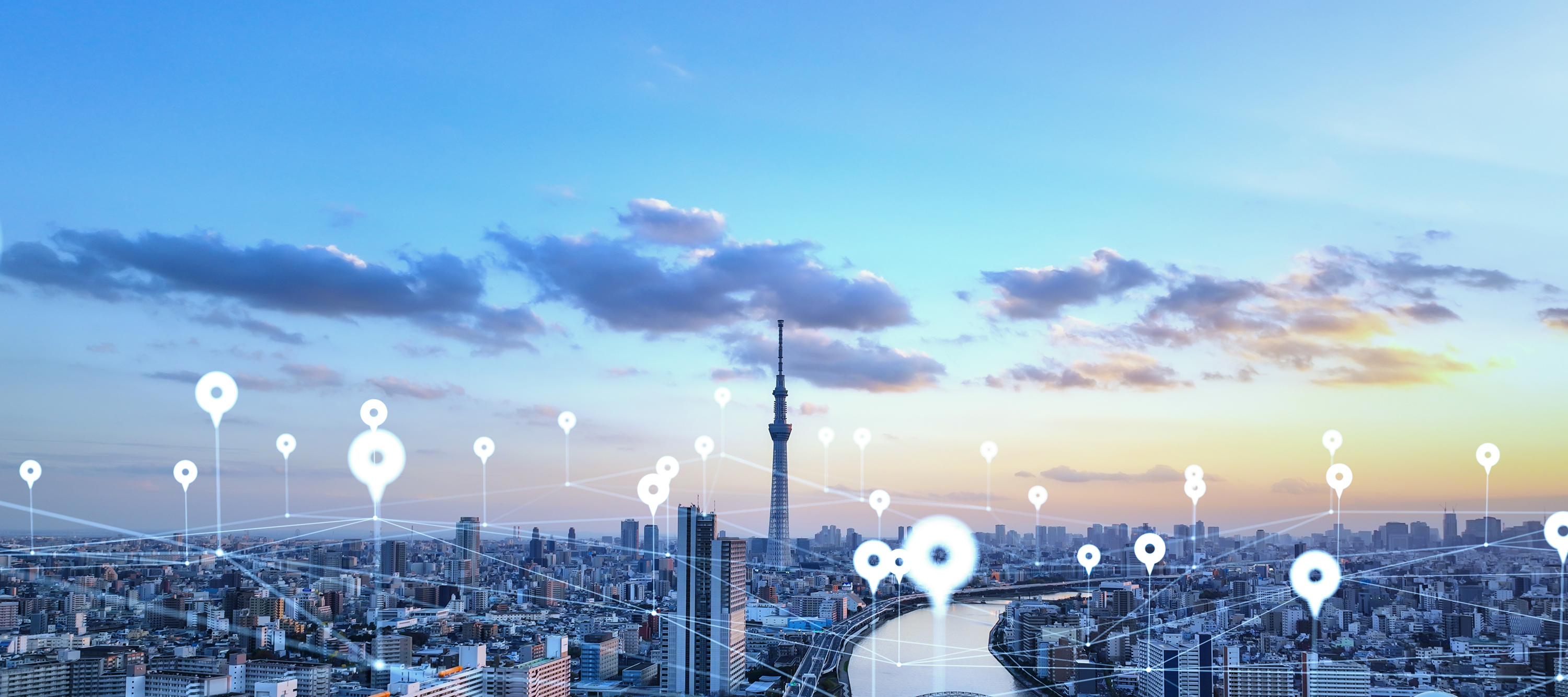
What Is Geo Monitoring and Why Should Marketing Agencies Care?
Geo monitoring, at its core, is the practice of tracking, analyzing, and responding to location-based data signals in real time. For marketing and creative agencies, this translates into something genuinely powerful: the ability to understand where your audience physically is, how that location influences their behavior, and how campaigns can be calibrated to match those geographic realities. In 2026, the agencies winning the largest retainers and delivering the highest return on ad spend are not just the ones with the best creative. They are the ones who know how to layer geographic intelligence into every campaign decision. That is not a coincidence.
How Geo Monitoring Tools Actually Work
Geo monitoring tools collect location data through a combination of IP address tracking, GPS signals, mobile device identifiers, Wi-Fi triangulation, and geofencing technology. When a user interacts with an ad, visits a website, or engages with a piece of digital content, these tools capture spatial data points and map them against defined geographic boundaries, which can range from entire regions down to a specific city block. The data is then aggregated into dashboards that allow marketers to visualize campaign performance by location, identify high-converting zones, and detect geographic patterns in audience behavior. Many platforms also integrate with demand-side platforms and CRM systems, allowing the location data to feed directly into targeting logic and audience segmentation. The technical infrastructure is more sophisticated than it sounds, but the output is remarkably actionable.
Key Features to Look for in a Geo Monitoring Platform
Not all geo monitoring tools are built the same, and the differences between them can significantly affect the quality of insights your agency is working with. When evaluating platforms for your clients or internal campaigns, these are the capabilities that separate functional tools from genuinely excellent ones.
- Real-time location tracking and heatmapping
- Geofence and radius targeting configuration
- Cross-device identity resolution
- Integration with major ad platforms like Google Ads and Meta
- Conversion zone attribution
- Audience segmentation by geographic behavior
- Historical location data access
- Competitive geo-intelligence features
Real-time tracking and conversion zone attribution tend to be the most immediately impactful for agencies running performance-driven campaigns. The ability to draw a direct line between a physical location visit and a digital ad exposure is the kind of closed-loop measurement that clients find deeply compelling.
The Strategic Advantages of Geo Monitoring for B2B Marketing
There is a version of this conversation that treats geo monitoring as purely a consumer-facing tactic, and that would be a mistake. B2B marketers are increasingly leveraging location intelligence to inform account-based marketing strategies, trade show and event targeting, and competitor proximity campaigns. Knowing that a cluster of your target accounts is concentrated in a specific metro area, for example, allows you to concentrate media spend, craft regionally relevant messaging, and even time campaigns around local business events or industry conferences. Geo monitoring also supports more intelligent budget allocation. Rather than spreading spend evenly across national campaigns, agencies can identify where conversions are actually happening and reinvest accordingly. This kind of geographic performance analysis consistently improves efficiency ratios, including cost per lead and overall return on ad spend.
Common Use Cases Across Campaign Types
The practical applications of geo monitoring tools span nearly every channel and campaign format a modern agency manages. In paid search, geographic bid adjustments informed by real location performance data allow for more precise budget control. In programmatic display, geofencing allows campaigns to serve ads specifically to users who have recently visited a competitor's location, a tactic known as conquesting. In social media advertising, geographic audience layers can be combined with demographic and behavioral data to create hyper-targeted audience segments. Out-of-home advertising can also be evaluated more effectively when geo monitoring tools track foot traffic uplift near billboard or transit placements. Content marketing teams benefit too, since geo data can inform which regional topics or local search queries are generating the most organic interest. The versatility of these tools is one of the most underappreciated aspects of their value.
The Drawbacks and Limitations You Should Know
Geo monitoring tools are not without their challenges, and any agency recommending them to a client should go in with clear expectations. Data accuracy is the most common concern. Location data derived from IP addresses is notoriously imprecise, sometimes placing users in entirely wrong cities. GPS and mobile-based data is more reliable but depends on users having location services enabled, which a significant portion of the population does not. Privacy regulations, including GDPR in Europe and CCPA in California, have placed real constraints on how location data can be collected, stored, and used. Agencies operating across multiple markets need to ensure their geo monitoring practices are legally compliant, which adds operational complexity. Additionally, the sheer volume of location data can create analysis paralysis if teams do not have clear frameworks for translating raw signals into campaign decisions. The tools are powerful, but only as effective as the strategy surrounding them.
How to Integrate Geo Monitoring Into Your Agency Workflow
Integrating geo monitoring into an existing agency workflow requires both a technical setup phase and a strategic alignment phase. On the technical side, the platform needs to be connected to your ad accounts, analytics infrastructure, and ideally your CRM. Most major geo monitoring platforms offer API connections and native integrations that make this manageable, though some custom configuration is almost always required. On the strategic side, teams need to define what geographic signals are meaningful for each client. A national e-commerce brand will care about different geo data than a regional service business. Establishing clear geographic KPIs at the campaign planning stage prevents the common mistake of collecting location data without a clear purpose. Monthly geo performance reviews should become a standard part of client reporting, sitting alongside channel-level metrics and creative performance data.
Geo Monitoring and Creative Strategy: A Connection Worth Making
One of the more nuanced benefits of geo monitoring tools is how they can directly inform creative development. When location data reveals that a campaign is significantly outperforming in one metro area compared to another, that signal often points to something about the message resonating differently across regional audiences. Agencies that pay attention to this can develop location-specific creative variations, adjust visual references, modify tone, or even shift the offer itself based on what the geographic data suggests about audience preferences. In 2026, dynamic creative optimization tools are increasingly being paired with geo data feeds, allowing campaigns to serve location-relevant ad variants automatically. This is a meaningful competitive advantage, and it is one that only agencies deeply embedded in their geo monitoring platforms are positioned to leverage.
Why Kreativa Group Is the Right Partner for Geo-Intelligent Marketing
If you are evaluating how geo monitoring tools can be embedded into your marketing strategy, partnering with an agency that has both the technical depth and strategic fluency to make it work is essential. Kreativa Group, based in Los Angeles and Miami, brings exactly that combination to the table. Their leadership team has managed paid media at scale for multi-billion dollar brands including Newegg, Rakuten, and Fossil Group, and has designed digital experiences for global names like Sandals Resorts, Porsche, Audi, and BMW. That breadth of experience across enterprise and startup environments means the team understands how to adapt geo monitoring strategies to vastly different business contexts. With over 200 million dollars in incremental revenue driven, an average ROAS above 7x, and a conversion rate consistently near 4%, Kreativa Group is not guessing at what works. They are among the top 1% of US-based agencies certified across Google Ads, Amazon Ads, Shopify, and Webflow, and their focus on measurable business outcomes rather than vanity metrics makes them an ideal fit for brands that take performance seriously. To learn more about how they approach location-informed marketing, visit the Kreativa Group homepage, or take the first step toward smarter growth by booking a free growth audit with their team.
Frequently Asked Questions About Geo Monitoring Tools
What is geo monitoring in digital marketing?
Geo monitoring in digital marketing refers to the use of location-based data to track, analyze, and optimize campaign performance across geographic regions. It helps agencies understand where their target audiences are located and how location influences engagement and conversion behavior.
How accurate is location data from geo monitoring tools?
Accuracy varies by data source. GPS and mobile-based location data tends to be highly accurate, while IP-based location data can be significantly less precise, sometimes misidentifying a user's location by a considerable distance. Most enterprise geo monitoring platforms use multiple data signals together to improve overall accuracy.
Are geo monitoring tools compliant with privacy regulations?
Compliance depends on how the tools collect and use data. Agencies must ensure that their geo monitoring practices align with applicable regulations such as GDPR and CCPA. Reputable platforms include consent management features and data anonymization options to support regulatory compliance.
What is geofencing and how does it relate to geo monitoring?
Geofencing is a specific geo monitoring tactic that involves creating a virtual boundary around a physical location. When a user enters or exits that boundary with a location-enabled device, it triggers a specific marketing action such as serving an ad, sending a push notification, or logging a conversion event.
Can geo monitoring tools be used for B2B marketing campaigns?
Yes. Geo monitoring is increasingly valuable in B2B contexts, particularly for account-based marketing, trade show targeting, and competitor proximity campaigns. Location intelligence helps B2B marketers concentrate spend where target accounts are physically clustered and time campaigns around regional business activity.
What is the difference between geofencing and geotargeting?
Geotargeting refers to delivering content or ads to users based on their detected location, typically at the city, region, or country level. Geofencing is a more precise tactic that triggers actions based on a user entering or exiting a defined geographic boundary, often at the neighborhood or building level.
How do geo monitoring tools integrate with existing ad platforms?
Most geo monitoring platforms offer native integrations or API connections with major ad platforms including Google Ads, Meta, and programmatic DSPs. These integrations allow location data to feed directly into audience targeting, bid adjustment logic, and campaign reporting workflows.
What metrics should agencies track when using geo monitoring tools?
Key metrics include geographic conversion rates, cost per acquisition by region, foot traffic attribution, geofence entry and exit rates, and regional return on ad spend. Agencies should define geographic KPIs at the campaign planning stage to ensure the data collected directly supports client business objectives.
How does geo monitoring improve creative strategy?
Location data can reveal which regions respond best to specific messaging, offers, or creative formats. When geo monitoring tools show significant performance variance across markets, that signal can guide the development of regionally relevant creative variations, improving overall campaign resonance and conversion efficiency.
What should a business look for when choosing a geo monitoring tool?
Businesses should prioritize platforms that offer real-time tracking, cross-device identity resolution, conversion zone attribution, and integration with their existing marketing stack. Compliance features for privacy regulations, data accuracy transparency, and quality customer support are also important evaluation criteria.