What Is Glassmorphism Web Design and Why Are B2B Brands Paying Attention to It?
If you have spent any time browsing modern websites lately, you have probably noticed a certain visual aesthetic creeping into dashboards, landing pages, and digital product interfaces. Frosted panels. Translucent cards. Soft blur effects layered over vivid gradients. That is glassmorphism, and in 2026, it has moved well beyond a passing trend into a genuine design philosophy that agencies and brands are using to communicate sophistication, depth, and modernity. For B2B companies especially, first impressions on a website carry outsized commercial weight. Understanding how glassmorphism works, what it does for user experience, and where it falls short is not just a design conversation. It is a business conversation.
The Technical Foundation Behind the Frosted Glass Effect
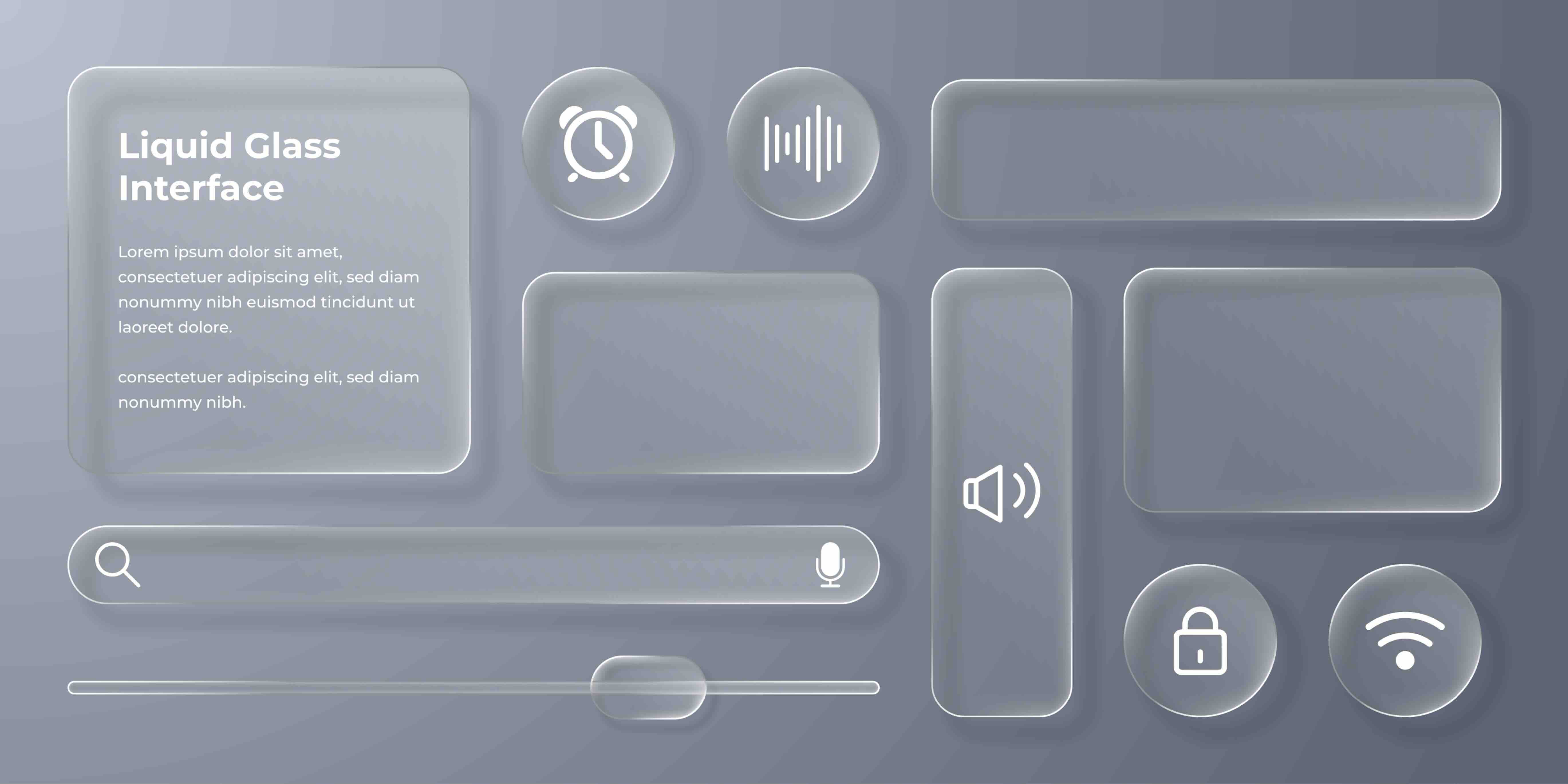
Glassmorphism is a UI design style characterized by semi-transparent elements, background blur, subtle borders, and soft drop shadows that simulate the appearance of frosted or etched glass sitting in front of a colorful, layered background. The core technical mechanic behind it is the CSS backdrop-filter property, specifically the blur() function, which applies a Gaussian blur to whatever content exists behind a given HTML element. Paired with a low-opacity background color using rgba() values, this creates the illusion of depth and translucency without requiring heavy graphical assets. Designers also typically add a subtle 1px border using a semi-transparent white stroke to enhance the glass rim effect, and a soft box-shadow to lift the element off the background plane. The result is a UI that feels dimensional, layered, and tactile, even in a flat digital environment.
How Glassmorphism Works Within a Full Web Design System
It would be a mistake to think of glassmorphism as simply a CSS trick you drop onto a card component and call it done. When implemented properly, it operates as part of a coherent visual system. The effect requires a rich, colorful, or high-contrast background to function correctly. On a flat white or neutral background, the blur renders invisible and the glass metaphor completely collapses. This is why you consistently see glassmorphism paired with vibrant mesh gradients, blurred photographic backgrounds, or dynamic generative art. The foreground glass elements and the background visual layer work in concert. From a systems design standpoint, this means your color palette, background treatment, and component library all need to be considered together. Agencies that treat glassmorphism as a cosmetic afterthought tend to produce interfaces that feel muddy or cluttered rather than clean and elegant.
The Key Advantages of Glassmorphism for Business Websites
There are several concrete reasons why forward-thinking brands and agencies are incorporating glassmorphism into their web presence, particularly for B2B use cases where credibility and visual quality directly influence conversion and perceived value.
- Depth and visual hierarchy: Glass layers create a natural z-axis in the composition, guiding the user's eye through the interface without relying entirely on size or color contrast alone.
- Modern brand perception: In competitive industries like SaaS, fintech, consulting, and creative services, glassmorphic design signals technical sophistication and aesthetic maturity.
- Versatility across contexts: The style adapts well to hero sections, pricing cards, modal overlays, dashboard widgets, and navigation components, making it useful across a full page design system.
- Emotional resonance: The frosted glass metaphor is intuitively elegant to most users, evoking Apple-influenced premium product aesthetics that audiences already associate with quality.
- Differentiation on a crowded web: In a landscape where many B2B websites still rely on flat or minimalist design, a well-executed glassmorphic interface stands out memorably.
When any of these advantages align with your brand positioning goals, glassmorphism earns its place in the design brief.
Common Drawbacks and Design Pitfalls to Understand Before Committing
Glassmorphism is not a universal solution, and applying it carelessly can actively damage user experience and accessibility standards. The most significant challenge is readability. When text is placed over a blurred, semi-transparent background, contrast ratios can drop below WCAG 2.1 accessibility guidelines, creating real barriers for users with visual impairments. This is not a minor footnote. Accessibility compliance is increasingly both a legal consideration and a brand expectation in the B2B space. Beyond accessibility, the backdrop-filter CSS property, while widely supported in 2026, historically had performance overhead on lower-powered devices and older browsers, which means performance testing across device segments remains essential. There is also a subtler risk of visual noise. If too many elements use the glass treatment simultaneously, the design becomes chaotic rather than refined, undermining the very premium feeling the style is meant to create. The discipline of restraint is what separates excellent glassmorphic design from forgettable or frustrating implementation.
Glassmorphism and SEO: What Is the Connection?
Here is something worth pausing on, because it surprises some clients. Glassmorphism itself does not directly impact search rankings, but the downstream effects of a well-designed glassmorphic interface absolutely do. Core Web Vitals, specifically Cumulative Layout Shift and Largest Contentful Paint, can be influenced by how CSS-heavy visual effects are implemented. Background blur operations and layered compositing can add rendering cost if not optimized correctly, which impacts page load performance and user experience signals that Google weighs in its ranking algorithm. On the positive side, a visually compelling website that communicates brand quality tends to reduce bounce rates and increase time-on-site, two behavioral signals that correlate with stronger organic search performance. The business conclusion here is straightforward: glassmorphism designed with performance and accessibility in mind can be net positive for SEO. Glassmorphism implemented recklessly is a liability.
Where Glassmorphism Fits Into the B2B Marketing Funnel
Strategically, glassmorphism tends to perform best at the top of the funnel, where brand impression, emotional engagement, and differentiation carry the most weight. Hero sections, above-the-fold landing page components, and product showcase areas benefit most from the visual impact the style delivers. As you move deeper into the funnel, toward conversion-focused pages, detailed service descriptions, or lead capture forms, the design tends to shift toward clarity and simplicity, where glassmorphism can still appear as a supporting element without overwhelming function with form. For B2B companies running paid media campaigns, aligning glassmorphic landing page aesthetics with equally polished ad creative creates a cohesive visual journey from the first click to the conversion event, which meaningfully supports quality score and post-click engagement metrics.
Practical Tips for Implementing Glassmorphism Effectively
If you are planning to integrate glassmorphism into a web project, a few implementation principles will save you from the most common mistakes. Start with your background first. Design the underlying gradient or visual layer before touching any foreground components, since the glass effect only reads as intended when there is genuine visual depth behind it. Limit glass treatment to three or fewer primary component types per page to preserve the premium quality of the effect. Always test text contrast using a WCAG contrast checker tool at every stage of design, not just at the end. On development, apply will-change: transform to composited glass elements to help the browser manage rendering performance. And finally, build responsiveness into the glassmorphic components from the start, since background blur effects can render differently across screen sizes, device pixel ratios, and mobile browser environments.
Why Kreativa Group Is the Right Partner for Glassmorphic Web Design
Design decisions like glassmorphism are most powerful when they are grounded in a clear business strategy, and that is exactly how Kreativa Group approaches every web engagement. Based in Los Angeles and Miami, Kreativa Group is a marketing and creative agency whose leadership team has designed digital experiences for globally recognized brands including Sandals Resorts, Porsche, Audi, BMW, and global advertising networks like Young and Rubicam. The team has also navigated the scrappier, faster-moving world of startups like Misfit Wearables and HomeLister, with successful exits to show for it. To date, Kreativa Group has driven over $200 million in incremental revenue, maintained an average 7x ROAS, and launched more than two dozen websites across Webflow, Shopify, and WordPress platforms. Kreativa Group sits among the top 1% of all US-based agencies certified across Google Ads, Amazon Ads, Shopify, and Webflow. The difference is that every design and marketing decision, including whether or not glassmorphism belongs in your project, is evaluated against actual business outcomes rather than aesthetic trends or vanity metrics. If you are ready to explore what a premium, conversion-focused web presence can do for your brand, visit Kreativa Group's creative and marketing agency website or take the first step by booking a free growth audit for your business to see exactly where your digital presence has untapped potential.
Frequently Asked Questions About Glassmorphism Web Design
What is glassmorphism in web design?
Glassmorphism is a UI design style that uses semi-transparent backgrounds, background blur effects, subtle borders, and soft shadows to simulate the appearance of frosted glass layered over a colorful or gradient background. It creates visual depth and a premium aesthetic in digital interfaces.
How is glassmorphism created in CSS?
Glassmorphism is primarily created using the CSS backdrop-filter: blur() property combined with a semi-transparent background color defined via rgba() values. Designers typically add a thin semi-transparent border and a soft box-shadow to complete the frosted glass appearance.
Is glassmorphism good for business websites?
Yes, when implemented strategically. Glassmorphism can enhance brand perception, communicate modernity, and improve visual hierarchy on business websites. It is particularly effective for B2B brands in competitive industries where visual credibility directly influences buyer trust and conversion rates.
Does glassmorphism affect website performance?
It can, if not implemented carefully. The backdrop-filter property adds rendering cost, particularly on lower-powered devices. Developers should optimize compositing layers, limit the number of blurred elements, and test Core Web Vitals across device segments to ensure performance is not compromised.
Is glassmorphism accessible for all users?
Not automatically. The translucent backgrounds used in glassmorphism can reduce text contrast ratios, potentially failing WCAG 2.1 accessibility standards. Designers must test and adjust foreground text color and background opacity to ensure sufficient contrast for users with visual impairments.
What kinds of websites benefit most from glassmorphism?
Glassmorphism works particularly well for SaaS platforms, fintech products, creative agency websites, tech startups, and luxury brand digital experiences. Any business that wants to project a modern, premium, or innovative identity can benefit from well-executed glassmorphic design.
Can glassmorphism impact SEO rankings?
Not directly, but indirectly yes. Poor implementation can hurt Core Web Vitals scores, which influence Google rankings. Conversely, a visually engaging glassmorphic site that improves user experience can reduce bounce rates and increase dwell time, both of which are positive behavioral signals for organic search performance.
What backgrounds work best with glassmorphism?
Glassmorphism requires rich, colorful, or high-contrast backgrounds to function visually. Mesh gradients, blurred photographic images, and dynamic generative art are all effective background treatments. The style does not work on flat white or neutral backgrounds because there is no visual depth for the blur to interact with.
How many glassmorphic elements should a page have?
Restraint is essential. Limiting glass treatment to three or fewer primary component types per page helps preserve the premium quality of the effect. Overuse of glassmorphism results in visual noise and a cluttered interface, which defeats the purpose of using the style in the first place.
Is glassmorphism still relevant in 2026?
Yes. In 2026, glassmorphism has matured from a trend into an established design language used by leading SaaS brands, product design teams, and creative agencies worldwide. Its longevity is attributed to its versatility, its alignment with premium brand aesthetics, and its ability to adapt across evolving digital platforms and device environments.