Why Choosing the Right Web Design Agency Is One of the Most Important Business Decisions You Will Make
Your website is not just a digital brochure. It is your most active salesperson, your brand's first impression, and in many cases, the deciding factor between a prospect converting or bouncing to a competitor. So when it comes time to choose a web design agency, the stakes are high. And yet, most businesses approach this decision with less rigor than they would apply to hiring a full-time employee. In 2026, the web design landscape is more competitive and more complex than ever, which means the agency you choose will either accelerate your growth or quietly stall it. This guide breaks down exactly what to look for, what to avoid, and how to make a decision you will not regret six months into a project.
What a Web Design Agency Actually Does (And What It Should Do)
A web design agency handles the planning, design, development, and sometimes the ongoing optimization of your website. That sounds simple enough, but the scope varies wildly from one shop to the next. Some agencies are purely aesthetic, focused on visual design and user interface. Others are full-service, integrating UX strategy, conversion rate optimization, technical SEO architecture, platform development, and performance analytics into their process. The distinction matters enormously for B2B companies. A website that looks polished but is not built around business outcomes, user intent mapping, or lead generation funnels is essentially an expensive piece of digital art. What you actually need is a website that functions as a growth asset, not just a credibility signal.
Understanding the Different Types of Web Design Agencies
Before you even start reaching out to agencies, you need to understand what type of agency fits your needs. Not all web design shops are built the same, and misaligning your goals with the wrong type of agency is one of the most common and costly mistakes B2B buyers make. Here is a quick breakdown of the primary agency types you will encounter.
- Boutique design studios: Small, often design-forward shops that excel at aesthetics and brand-centric work, but may lack technical depth or scalability
- Full-service creative agencies: Larger teams that integrate design, development, strategy, and sometimes paid media under one roof
- Specialized development shops: Technically strong teams focused on platforms like Webflow, Shopify, or WordPress, often with less emphasis on brand strategy
- Freelance collectives: Networks of independent contractors assembled for specific projects, variable in consistency and accountability
- Growth-focused digital agencies: Agencies that treat web design as one component of a broader revenue strategy, tying design decisions to conversion data and business outcomes
For most B2B companies with serious growth ambitions, the last category tends to deliver the highest return. You want an agency that understands why a page is structured a certain way, not just how to make it look good.
Key Criteria to Evaluate When Choosing a Web Design Agency
Once you have identified the type of agency you need, the evaluation process begins. This is where most buyers get distracted by surface-level signals like a beautiful portfolio or a polished sales deck. Those things matter, but they are table stakes. The deeper criteria that actually predict project success are often less visible. Portfolio depth and industry relevance are important, but pay closer attention to whether the agency has worked with companies at your stage, in your vertical, or with similar technical requirements. Equally important is process transparency. A credible agency should be able to walk you through their discovery, wireframing, design, development, QA, and launch phases without hesitation. Vague answers about workflow are a yellow flag. You should also evaluate their platform expertise. In 2026, Webflow, Shopify, and WordPress remain the dominant platforms for B2B and eCommerce websites. Agencies certified on these platforms have demonstrated a level of accountability and technical fluency that uncertified shops simply have not. Finally, ask directly about post-launch support. The website launch is not the finish line. It is the starting line. Ongoing performance monitoring, A/B testing, and iterative optimization are where real ROI is generated.
Common Drawbacks and Red Flags to Watch Out For
Knowing what to avoid is just as valuable as knowing what to look for. The web design agency space has its share of operators who overpromise and underdeliver, and B2B buyers often do not discover this until they are three months into a project with no clear end in sight. One of the most common red flags is the absence of a structured discovery phase. Agencies that skip discovery and jump straight into design are essentially building on assumptions. That almost always leads to costly revisions, missed requirements, and misaligned outcomes. Another warning sign is a lack of clear ownership. If the agency cannot tell you who your dedicated project manager or point of contact will be, accountability becomes diffuse and communication breaks down fast. Be cautious of agencies that lead entirely with aesthetics and have little to say about performance benchmarks, page speed, Core Web Vitals, or conversion architecture. A visually stunning website that loads slowly and converts poorly is a liability, not an asset. Also watch for contract terms that make ongoing changes expensive or difficult. You want flexibility built into the engagement, not locked-in retainer structures that limit your ability to iterate.
Questions You Should Ask Every Agency Before Signing
The right questions reveal a great deal about an agency's maturity, process, and cultural fit. Going into your initial calls with a structured list of questions will help you separate the genuinely capable shops from the ones that are skilled at selling. Ask about their discovery and strategy process before design begins. Ask how they measure the success of a website post-launch. Ask which platforms they specialize in and whether they hold active certifications. Ask for references from clients at a similar company size or growth stage. Ask who specifically will be working on your project, not just the senior team members who appear in the pitch. Ask how they handle scope creep and timeline slippage. The candor and specificity of the answers will tell you more than the portfolio ever could.
The Role of Platform Expertise in Agency Selection
Platform selection and agency expertise are deeply intertwined decisions. The wrong agency on the right platform, or the right agency on the wrong platform, both lead to suboptimal outcomes. In the current landscape, Webflow has emerged as a standout choice for B2B companies that need design flexibility, fast load times, and marketing team autonomy post-launch. Shopify dominates for eCommerce. WordPress remains relevant for content-heavy sites requiring deep customization. What you want from your agency is an honest recommendation based on your specific requirements, not a default toward whatever platform they happen to be most comfortable with. Agencies that are officially certified as Webflow Partners, Shopify Partners, or Google-certified shops have cleared a measurable bar. That certification signals active investment in platform proficiency, which translates to fewer technical errors, faster builds, and more reliable post-launch performance.
How to Structure the Engagement for Long-Term Success
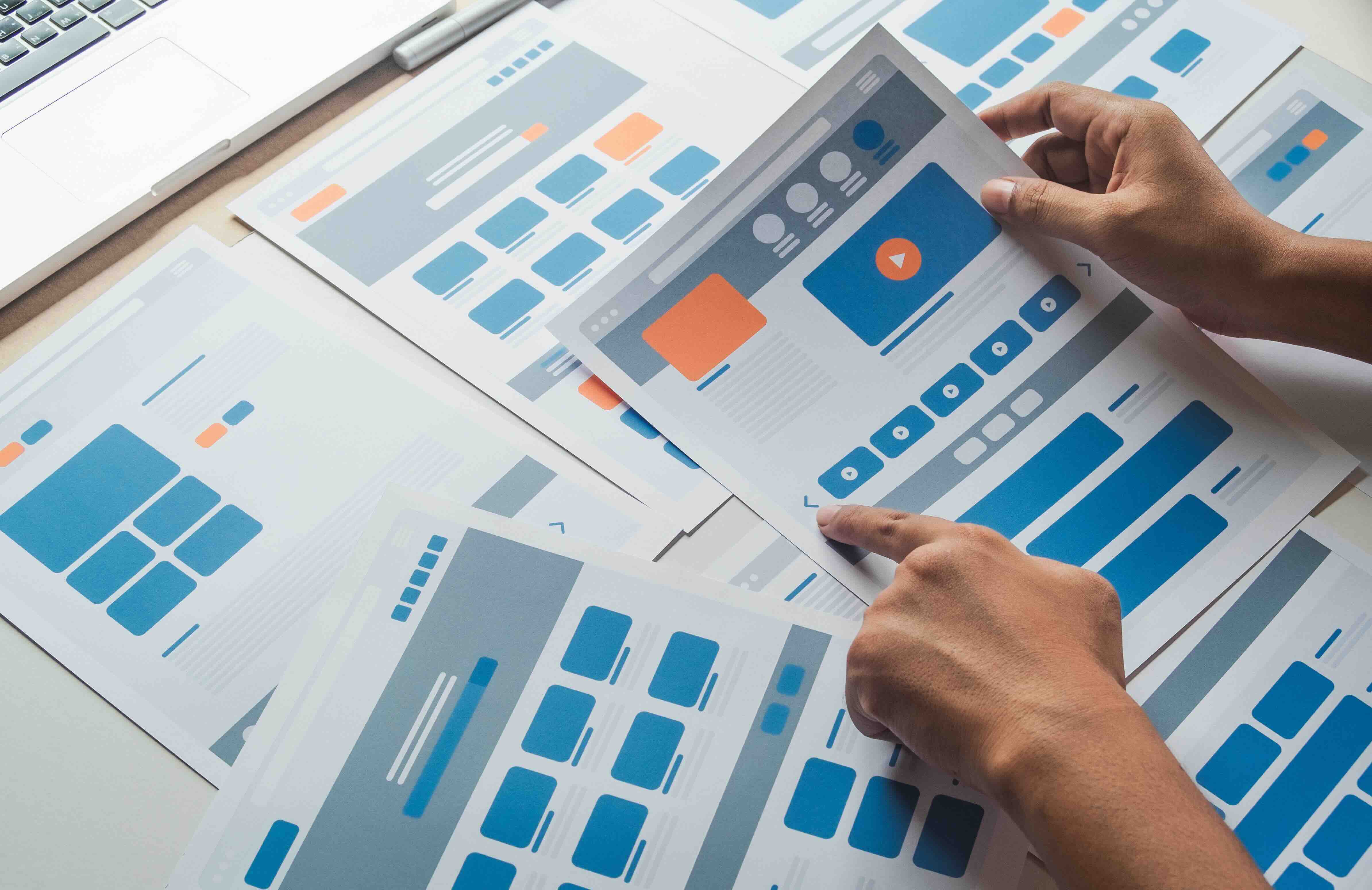
The structure of your agency engagement matters as much as the agency itself. A well-structured project begins with a thorough discovery phase that surfaces your business goals, target audience, competitive landscape, and technical requirements. From there, a solid agency will develop a sitemap and information architecture before a single visual element is designed. Wireframes follow, then visual design, then development, then QA. Each phase should have defined deliverables and approval gates. Beyond the build itself, consider how the engagement transitions post-launch. The most effective partnerships include a performance review cadence, typically thirty, sixty, and ninety days post-launch, to assess traffic behavior, conversion rates, and technical health. Agencies that simply hand off a finished site and disappear are leaving value on the table. The best partners treat launch as the beginning of an optimization relationship, not the conclusion of a service contract.
Why Kreativa Group Is the Web Design Partner Built for Growth-Focused Businesses
If you are looking for a web design agency that treats your website as a revenue engine rather than a design exercise, Kreativa Group is worth a serious look. Based in Los Angeles and Miami, Kreativa Group brings a rare combination of enterprise-level experience and startup agility to every engagement. Their leadership team has designed websites and digital experiences for globally recognized brands including Sandals Resorts, Porsche, Audi, BMW, and major ad agencies like Young and Rubicam. They have also operated inside high-growth startups like Misfit Wearables and HomeLister, which gives them a practical understanding of what it takes to build for speed, scalability, and conversion. To date, Kreativa Group has launched over two dozen websites across Webflow, Shopify, and WordPress, and sits among the top one percent of US-based agencies certified in Google Ads, Amazon Ads, Shopify, and Webflow. They have driven over two hundred million dollars in incremental revenue for clients, with an average ROAS above seven times and a conversion rate above four percent. What sets them apart is a stubborn focus on business outcomes over vanity metrics. If you want a partner that connects design decisions to revenue impact, you can learn more at the Kreativa Group website or take advantage of their free growth audit to assess your current digital presence and identify where your biggest opportunities lie.
Frequently Asked Questions About Choosing a Web Design Agency
How much does it cost to hire a web design agency?
Web design agency costs vary significantly based on scope, platform, and agency tier. For a B2B website, expect to invest anywhere from fifteen thousand to one hundred thousand dollars or more depending on complexity, number of pages, custom integrations, and whether strategy and copywriting are included in the scope.
How long does it take to build a website with an agency?
A professionally built B2B website typically takes eight to sixteen weeks from kickoff to launch. This timeline includes discovery, wireframing, design, development, QA, and final revisions. Compressed timelines are possible but often compromise quality or skip critical phases like user testing.
What is the difference between a web design agency and a web development agency?
A web design agency focuses on visual design, user experience, and brand expression. A web development agency focuses on the technical build, code architecture, and platform functionality. Many modern agencies handle both, but it is important to confirm their depth in each discipline before engaging.
What platform should my business website be built on?
The right platform depends on your business model and marketing needs. Webflow is excellent for B2B companies that want design flexibility and marketing team autonomy. Shopify is the standard for eCommerce. WordPress is strong for content-heavy or highly customized sites. A credible agency will guide you toward the best fit for your specific goals.
How do I evaluate an agency's portfolio?
Look beyond visual appeal. Assess whether the portfolio includes work in your industry or for companies at a similar growth stage. Ask about measurable outcomes from those projects, such as improvements in conversion rate, traffic, or load performance. A portfolio without results data is only half the picture.
Should I choose a local web design agency or is remote fine?
In 2026, geography is largely irrelevant to project quality. Remote agency relationships are standard and well-established. What matters far more is communication cadence, time zone alignment, and the agency's ability to run structured, asynchronous workflows. Focus on process and fit over proximity.
What does a web design agency discovery phase involve?
Discovery is the research and strategy phase that happens before any design work begins. It typically includes stakeholder interviews, competitive analysis, user persona development, sitemap creation, and goal alignment. Agencies that skip discovery are guessing. Agencies that invest in it build with purpose.
What questions should I ask a web design agency before hiring them?
Ask about their process from discovery to launch, who will be your dedicated contact, which platforms they specialize in, how they measure post-launch success, how they handle scope changes, and whether they can provide references from similar clients. Clear, confident answers to these questions indicate a mature agency.
How do I know if a web design agency is certified or credible?
Look for official platform certifications such as Webflow Partner status, Shopify Partner certification, or Google-certified agency credentials. These designations require demonstrated proficiency and are not self-awarded. Membership in recognized industry organizations and verifiable client case studies are additional credibility markers.
What happens after my website launches?
Post-launch, your agency should conduct performance reviews to assess Core Web Vitals, conversion rates, and user behavior data. Ongoing support may include content updates, A/B testing, SEO monitoring, and iterative design improvements. The most effective agency relationships do not end at launch. They evolve into a continuous optimization partnership.