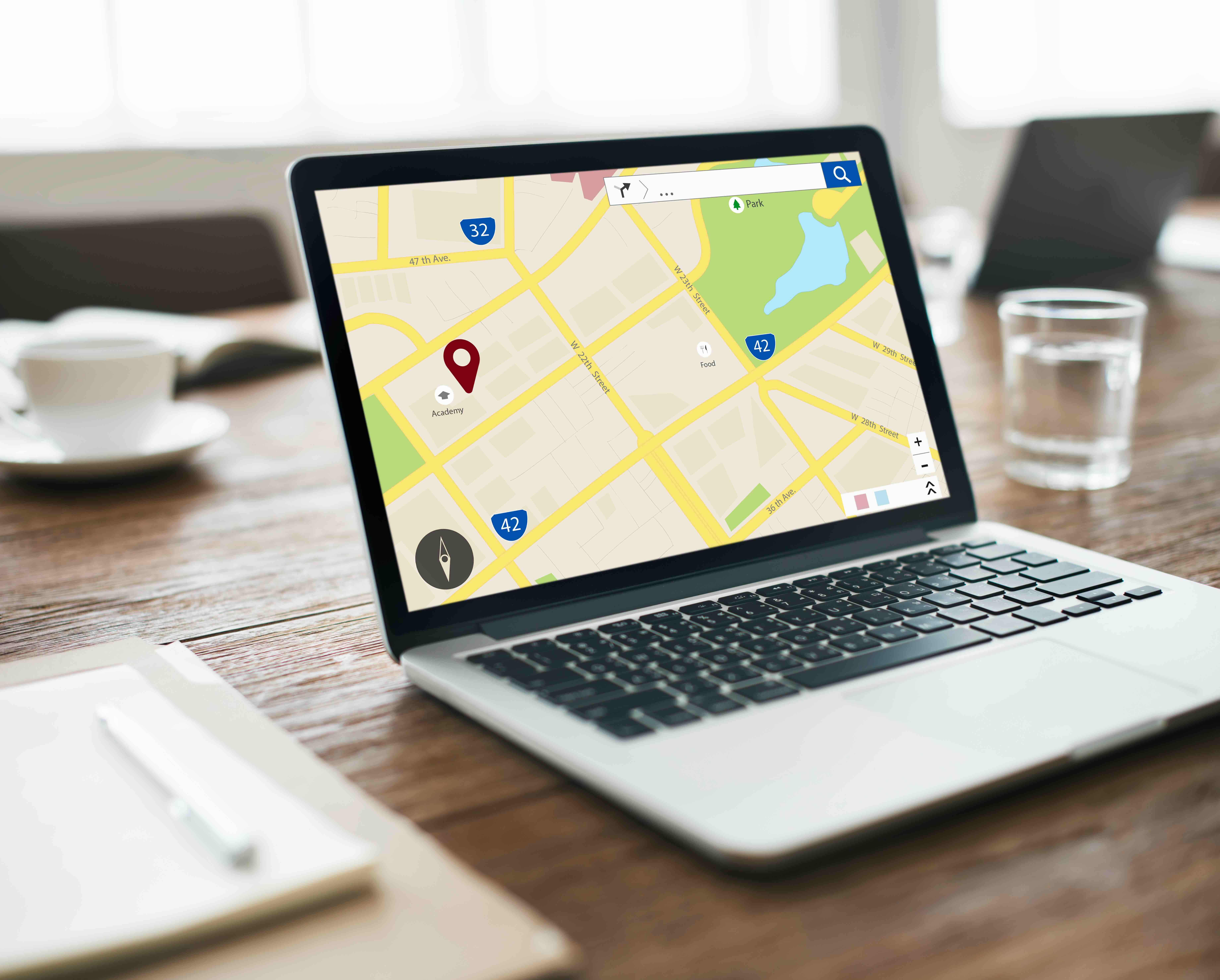
What Is Location Page SEO and Why Should Marketing Agencies Care About It
If your agency serves clients in multiple cities, regions, or markets, location page SEO is one of the most practical and underutilized tools available to you. At its core, location page SEO refers to the practice of creating dedicated, optimized web pages for each geographic market a business serves or operates in. These pages are designed to rank in local and regional search results by matching the intent of users who are searching for services in a specific place. For marketing and creative agencies, this strategy is particularly valuable because it allows clients to compete locally, even when their competitors have broader name recognition or larger marketing budgets. Done correctly, location pages become powerful, evergreen assets that consistently attract qualified B2B and B2C leads from searches like "branding agency in Austin" or "digital marketing firm near Chicago."
How Location Pages Actually Work in Search
Search engines like Google evaluate pages based on relevance, authority, and proximity signals. Location pages work by explicitly establishing topical relevance for a specific city or region paired with a specific service. When a page clearly communicates that a business offers, for example, paid media management in Miami, the search engine can confidently match that page to a user typing something similar into the search bar. What makes this work is a combination of on-page signals. The page URL, title tag, meta description, heading structure, and body content all need to reference the target location and service with enough specificity to be meaningful. Beyond that, structured data markup using LocalBusiness schema gives search engines machine-readable confirmation of where you operate and what you do. Internal linking from related service pages and the sitemap also helps search engines crawl and index location pages properly. Without that interconnected structure, even a well-written location page can sit invisible in the index.
The Core Elements of a High-Performing Location Page
There is a difference between a location page that exists and a location page that performs. The gap between those two things usually comes down to content quality and page structure. A high-performing location page should contain a locally relevant headline that incorporates the target keyword naturally. Below that, the page needs original body content, not boilerplate copy duplicated across every city with only the name swapped out. Google is sophisticated enough in 2026 to recognize near-duplicate content, and it penalizes thin or templated pages accordingly. The page should also include locally meaningful details such as references to neighborhoods, regional business communities, or market-specific challenges that the agency's services solve. Testimonials or case studies from clients in that region add credibility. A Google Business Profile embedded map, a local phone number or address if applicable, and a clear call to action round out the essential components.
Key SEO Advantages of Dedicated Location Pages for Agencies
The strategic advantages of investing in location page SEO are measurable and compounding. For marketing and creative agencies that operate across multiple markets, this strategy creates multiple entry points into the search funnel, each targeting a different geographic segment. Rather than competing for a single broad keyword like "digital marketing agency," which is dominated by aggregator sites and large national players, location pages let agencies compete for higher-converting, lower-competition terms. Here is what agencies and their clients stand to gain:
- Increased organic visibility in city-specific searches without relying on paid traffic
- Higher-quality leads because users searching with a location modifier typically have stronger purchase intent
- Scalable content architecture that grows with business expansion into new markets
- Improved Google Business Profile performance when location pages are properly cross-linked
- Better alignment between landing page content and local ad campaigns, which can improve Quality Scores and reduce cost per click
- Compounding authority over time as each location page earns its own backlinks and engagement signals
Common Drawbacks and Pitfalls to Avoid
Location page SEO is effective, but it is not without its challenges. The most common mistake agencies and their clients make is creating a large volume of location pages without putting in the work to make each one genuinely useful and distinct. This creates what SEOs refer to as thin content, and it can trigger algorithmic penalties or manual actions that hurt overall domain authority. Another frequent issue is over-optimization, where the location and keyword are stuffed into every sentence in a way that reads awkwardly and damages user trust. Google's helpful content system, which has continued to evolve through 2026, evaluates pages based on whether real humans would find them useful, not just whether they contain the right keywords. Canonicalization errors are also common when location pages share too much content, causing search engines to consolidate ranking signals incorrectly. Finally, neglecting to build internal links to location pages leaves them stranded in the site architecture, limiting crawlability and authority flow.
Location Pages Versus Local Landing Pages: Understanding the Distinction
These two terms often get used interchangeably, but they serve meaningfully different functions. A location page is a permanent, evergreen page that lives in the main site architecture and is intended to rank organically over time. A local landing page is typically built for a specific campaign, often paid media, and may be temporary or not indexed at all. For a marketing or creative agency advising a B2B client, it is important to clarify this distinction early. An agency running Google Ads for a client might build local landing pages optimized for conversion and matched to ad groups, while simultaneously developing location pages optimized for organic search. These two assets serve different stages of the acquisition funnel and should not be confused or used interchangeably without a deliberate strategy behind the decision.
Practical Tips for Scaling Location Page SEO Across Multiple Markets
Scaling location page SEO efficiently requires a framework that balances consistency with authenticity. Agencies managing multi-location SEO for clients should start by developing a content brief template that outlines the required sections, the local keywords to target, and the unique details that must be incorporated for each city. From there, here are practical steps that help maintain quality at scale:
- Conduct individual keyword research for each target market rather than assuming the same terms perform everywhere
- Interview local team members or regional clients to gather genuine, location-specific insights
- Use structured data consistently across all location pages to reinforce LocalBusiness signals
- Establish a regular audit schedule to identify pages with declining performance and refresh them with updated content
- Build location-specific backlinks by engaging with regional business directories, chambers of commerce, and local press
How Location Page SEO Fits Into a Broader Digital Marketing Strategy
Location page SEO does not operate in a vacuum. Its performance is amplified when it is integrated with a broader digital strategy that includes Google Business Profile optimization, local citation building, and targeted paid search campaigns. For marketing agencies, this integration is where the real value becomes apparent. When a location page ranks organically and the client also maintains a verified, well-optimized Google Business Profile for that market, the search engine results page presence becomes substantially larger. Pair that with a hyper-local paid search campaign that drives traffic to a corresponding landing page, and you create a multi-touchpoint presence that is difficult for competitors to displace. The clients who benefit most from this integrated approach are typically those in professional services, home improvement, healthcare, and, yes, marketing and creative services themselves, industries where trust and local expertise are significant purchase drivers.
Why Kreativa Group Is the Right Partner for Location Page SEO
Building location pages that actually rank and convert takes more than good intentions. It requires a team that understands both the technical architecture of search and the creative execution that makes content genuinely useful to real people. That is exactly what Kreativa Group brings to the table. Based in Los Angeles and Miami, Kreativa Group has worked with multi-billion dollar brands like Newegg, Rakuten, and Fossil Group, and has designed digital assets for global names like Sandals Resorts, Porsche, and Audi. Their leadership team has experience scaling startups like Misfit Wearables and HomeLister to successful exits, which means they understand what growth under pressure actually looks like. To date, Kreativa Group has driven over $200 million in incremental revenue, maintained an average 7x ROAS, and launched over two dozen websites across Webflow, Shopify, and WordPress. They are among the top 1% of US-based agencies certified in Google Ads, Amazon Ads, Shopify, and Webflow. If your business is ready to turn local search into a reliable lead generation channel, explore what is possible with Kreativa Group's full-service marketing and creative agency expertise, or take the first step by requesting a free growth audit tailored to your location SEO goals.
Frequently Asked Questions About Location Page SEO
What is a location page in SEO?
A location page is a dedicated web page optimized to rank for searches related to a specific geographic area and a particular service or product. It is designed to help businesses appear in local search results by making their relevance to a specific market explicit through on-page content, structured data, and technical SEO signals.
How many location pages should a business have?
A business should create one location page for each distinct market it genuinely serves. Quality matters more than volume. A page should only be created for a location if there is enough unique, meaningful content to populate it without relying on duplicated boilerplate copy.
Do location pages help with Google Business Profile rankings?
Yes. While Google Business Profile rankings are influenced by proximity, relevance, and prominence, linking your profile to a well-optimized location page reinforces relevance signals and can improve local pack visibility. The relationship between the two assets is complementary, not redundant.
What makes a location page different from a regular service page?
A service page focuses on what a business offers. A location page focuses on where that offering is available and why it is relevant to a specific local market. Ideally, location pages reference local context, market-specific challenges, regional clients, or community involvement to differentiate them from generic service content.
Can thin location pages hurt a website's overall SEO performance?
Yes. Thin or near-duplicate location pages can negatively impact a site's overall domain quality in the eyes of Google's helpful content system. If search engines determine that a significant portion of a site's pages offer little to no unique value, it can suppress rankings across the entire domain, not just the underperforming pages.
How long does it take for a location page to rank?
It varies based on domain authority, competition in the target market, and how well the page is optimized. In less competitive markets, a well-built location page can begin ranking within a few weeks of indexation. In highly competitive cities, it may take several months of consistent optimization, link building, and content refinement.
Should location pages be indexed or noindexed?
Location pages intended to rank organically should always be indexed. Noindexing them defeats the primary purpose. The exception would be pages built specifically for paid campaigns that have not been optimized for organic search and would otherwise introduce thin content signals into the index.
What is the role of structured data on location pages?
Structured data, specifically LocalBusiness schema markup, provides search engines with machine-readable information about a business's name, address, phone number, service area, and operating hours. This markup strengthens local relevance signals and can contribute to rich results in the search engine results page.
Is it better to have subfolders or subdomains for location pages?
Subfolders are generally preferred for location pages because they benefit directly from the root domain's authority. Subdomains are treated more like separate sites by search engines, which means they need to build authority independently. For most marketing and creative agencies, a subfolder structure like domain.com/locations/city-name is the more strategically sound approach.
How do I avoid duplicate content issues when scaling location pages?
The most reliable way to avoid duplicate content issues is to treat each location page as a genuinely unique piece of content. This means conducting individual keyword research per market, incorporating location-specific details that could not apply to any other city, and avoiding templated copy that only swaps the city name. Canonical tags can provide a technical safety net, but they are not a substitute for original content.