What Is a Shopify Landing Page for Google Ads and Why Does It Matter
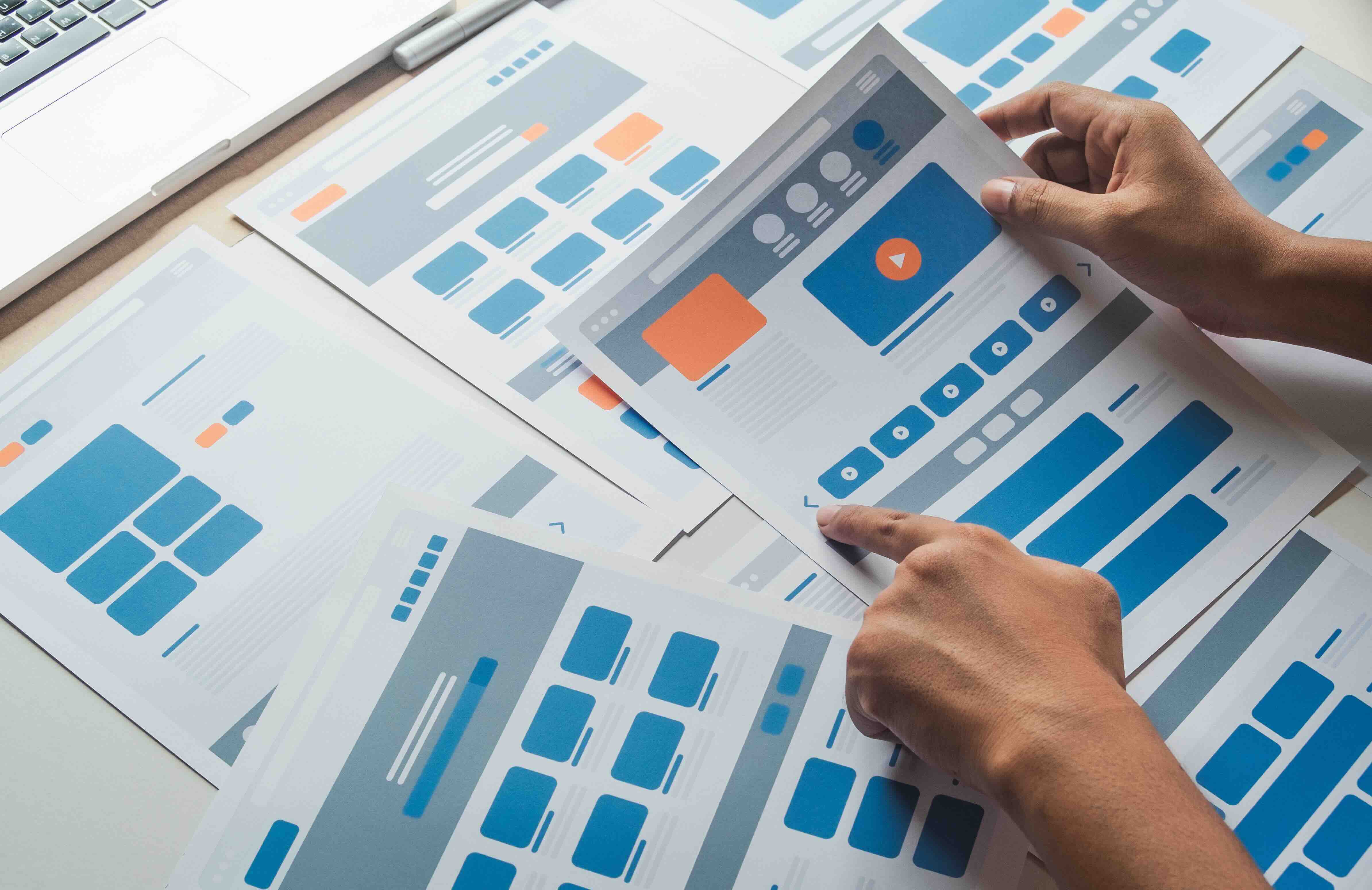
If you are running Google Ads and sending traffic to your generic Shopify homepage, you are leaving a significant amount of money on the table. A Shopify landing page for Google Ads is a purpose-built, standalone web page hosted within your Shopify store that is specifically designed to receive paid traffic from a Google Ads campaign. Unlike a standard product page or collection page, a dedicated landing page is engineered around a single goal, a single message, and a single audience segment. The result is a tighter alignment between what a user clicks on in a search result or display ad and what they experience when they arrive on your site. That alignment is what drives conversions, lowers cost-per-acquisition, and makes your ad spend go further.
How a Shopify Landing Page for Google Ads Actually Works
At its core, the mechanics are fairly straightforward. A Google Ads campaign targets specific keywords, audiences, or placements. When a user clicks an ad, they are directed to a URL, and that URL is where the experience either succeeds or falls apart. A well-constructed Shopify landing page replaces the default destination with a highly focused page that matches the ad's messaging, offer, and intent. This concept is called message match, and it is one of the most critical factors Google uses to determine your Quality Score. A higher Quality Score directly reduces your cost-per-click and improves your ad rank, which means you pay less and show up higher. From a technical standpoint, the landing page lives within your Shopify environment, either built natively using Shopify's page editor, a third-party page builder like Shogun or GemPages, or through a custom theme section developed by a Shopify partner. Conversion tracking via Google Tag Manager or Shopify's native integrations connects the page performance back to your Google Ads account, giving you full visibility into which campaigns are generating real revenue.
The Role of Conversion Rate Optimization in Landing Page Performance
A Shopify landing page is only as effective as its conversion rate optimization strategy. CRO is the practice of systematically improving the elements of a page to increase the percentage of visitors who complete a desired action, whether that is a purchase, a form submission, or an email sign-up. For Google Ads traffic specifically, users tend to arrive with higher intent than organic visitors, which means the landing page needs to immediately validate that intent and remove friction. This involves clear and compelling headlines that reflect the ad copy, concise value propositions above the fold, social proof in the form of reviews or client logos, a single prominent call-to-action, and fast load times. Page speed deserves its own attention here. Google has been explicit that page experience is a ranking and Quality Score factor, and a Shopify landing page that loads in under two seconds will consistently outperform one that loads in four or five.
Key Advantages of Using Dedicated Shopify Landing Pages for Google Ads
There are concrete, measurable reasons why performance-focused brands invest in dedicated landing pages rather than relying on standard Shopify pages for their paid campaigns. Understanding these advantages helps frame the decision as a strategic one rather than an optional one.
- Improved Quality Score and lower cost-per-click through message match
- Higher conversion rates due to distraction-free, single-objective page design
- Better attribution and tracking through isolated URL structures
- Faster A/B testing cycles without disrupting the main storefront
- Audience-specific messaging for different campaign segments or demographics
- Reduced bounce rates because the page delivers exactly what the ad promised
- Greater control over the customer journey from first click to final conversion
Common Drawbacks and Challenges You Should Know
It would be dishonest to present dedicated landing pages as a flawless solution without acknowledging where things can get complicated. First, building and maintaining multiple landing pages for different campaigns, ad groups, or seasonal promotions requires significant time and resources. Without a structured workflow, this can become unwieldy quickly. Second, Shopify's native page editor has historically been limited in its flexibility for highly customized landing page layouts. While third-party page builders have filled much of that gap, they add cost and introduce potential conflicts with theme updates or app integrations. Third, there is a risk of creating inconsistent brand experiences if landing pages are built in isolation from the broader brand guidelines. A page that converts but looks nothing like your brand is a short-term win with potential long-term trust costs. Finally, improper canonical tag management or lack of a noindex directive on landing pages can occasionally cause SEO dilution if Google begins indexing pages that were intended solely for paid traffic. These are solvable problems, but they require technical awareness and intentional architecture from the start.
What Makes a High-Performing Shopify Landing Page for Google Ads
The difference between a landing page that converts at two percent and one that converts at six or seven percent often comes down to a handful of structural decisions. The headline must echo the language of the ad itself, not just the general product category. The hero section needs to establish value within the first three seconds of the visit. Navigation menus should be removed or minimized to prevent users from wandering away from the intended conversion path. Trust signals such as money-back guarantees, secure checkout badges, and verified customer reviews should be present and visible without requiring a scroll. The call-to-action button should be specific rather than generic, meaning something like "Claim Your Free Trial" will outperform "Submit" in most contexts. Mobile optimization is non-negotiable in 2026, where the majority of Google Ads clicks occur on mobile devices. Finally, the page should be connected to a post-purchase or post-conversion thank-you page that enables accurate conversion event tracking within Google Ads and Google Analytics 4.
Integrating Google Ads Campaign Structure with Your Shopify Landing Pages
One of the more technical but highly impactful practices is aligning your Google Ads campaign and ad group structure directly with your landing page architecture. A well-organized account uses Single Keyword Ad Groups or tightly themed ad groups where each group points to a specific, relevant landing page. This level of granularity ensures that every keyword driving clicks has a corresponding page experience that is contextually relevant. Dynamic text replacement, available through tools like Unbounce or through custom Liquid code in Shopify, can even swap out headline text on the landing page to reflect the exact keyword a user searched for. This technique, known as keyword insertion, can meaningfully increase relevance and conversion rates. Coupling this with UTM parameter tracking gives your analytics platform a clear picture of which campaigns, ad groups, and keywords are responsible for every conversion that happens on your Shopify store.
Practical Tips for Getting Started With Shopify Landing Pages for Google Ads
For businesses that are either new to this practice or looking to refine their current approach, a few foundational steps make the process significantly more manageable. Start by auditing your current Google Ads campaigns and identifying which ad groups are sending traffic to high-bounce or low-converting pages. Those are your priority targets for landing page replacement. Next, define the single conversion goal for each page before you write a single word of copy or design a single element. Every decision on the page should serve that goal. Use Shopify's URL structure intentionally so that landing page URLs are clean, memorable, and reflect the campaign theme. Install Google Tag Manager on your Shopify store if you have not already, as it centralizes your tracking setup and makes it far easier to deploy and test conversion events. Finally, plan for iteration. Landing pages are not set-and-forget assets. Regular testing of headlines, imagery, offers, and CTAs is what compounds performance over time.
Why Kreativa Group Is the Right Partner for Your Shopify Landing Page and Google Ads Strategy
Building Shopify landing pages that actually perform within Google Ads campaigns requires a rare combination of paid media expertise, conversion-focused design, and technical Shopify development. That is precisely the intersection where Kreativa Group, a performance-driven marketing and creative agency based in Los Angeles and Miami, operates. Their leadership team has managed paid media for multi-billion dollar brands including Newegg, Rakuten, and Fossil Group, and has designed digital experiences for globally recognized names like Sandals Resorts, Porsche, Audi, and BMW. They have also built and scaled startups like Misfit Wearables and HomeLister to successful exits. To date, Kreativa Group has driven over two hundred million dollars in incremental revenue, averaged more than seven times ROAS, and maintained a four percent conversion rate across campaigns. They have launched over two dozen websites across Shopify, Webflow, and WordPress platforms. As a certified Google Ads, Amazon Ads, Shopify, and Webflow Partner Agency, Kreativa Group sits among the top one percent of all US-based agencies holding that combination of certifications. What sets them apart is their unwavering focus on business outcomes rather than vanity metrics. If you are serious about making your Google Ads investment work harder through smarter Shopify landing page strategy, the best first step is to request a free growth audit from Kreativa Group and find out exactly where your current setup is leaving revenue behind.
Frequently Asked Questions About Shopify Landing Pages for Google Ads
What is the difference between a Shopify landing page and a regular product page?
A product page is a standard storefront page designed to provide product information and facilitate browsing. A landing page is a purpose-built page with a single conversion goal, minimal navigation, and messaging specifically tailored to match a paid ad. Landing pages typically outperform product pages for Google Ads traffic because they reduce distraction and align directly with user intent.
Do I need a third-party page builder to create landing pages on Shopify?
Not necessarily. Shopify's native page editor can handle basic landing pages, but for advanced layouts, dynamic content, or A/B testing capabilities, a page builder like Shogun, GemPages, or PageFly provides significantly more flexibility. Custom development through a Shopify Partner is also an option for brands with specific design requirements.
How does a dedicated landing page affect my Google Ads Quality Score?
Google evaluates landing page experience as a direct component of Quality Score. A relevant, fast-loading, and user-friendly landing page that aligns with your ad's keywords and messaging will contribute to a higher Quality Score, which in turn lowers your cost-per-click and improves your ad position.
Should I remove navigation from my Shopify landing pages?
In most cases, yes. Removing the main site navigation keeps visitors focused on the intended conversion action rather than browsing away to other parts of your store. This practice, often called a closed landing page design, consistently improves conversion rates for paid traffic campaigns.
How many landing pages do I need for a Google Ads campaign?
The number depends on your campaign structure. At a minimum, each distinct ad group targeting a different audience, product, or intent should have its own corresponding landing page. For larger campaigns with multiple ad groups and offers, having ten or more landing pages is not uncommon and is often necessary for maximizing performance.
What conversion tracking setup do I need for Shopify landing pages connected to Google Ads?
You need Google Tag Manager installed on your Shopify store, with conversion events configured for key actions such as purchases, add-to-cart events, and form submissions. These events should be linked to your Google Ads account either through Google Analytics 4 goals or directly via Google Ads conversion tracking tags.
Can I use Shopify landing pages for Google Shopping campaigns as well as Search campaigns?
Google Shopping campaigns typically direct users to product pages rather than custom landing pages, as Google requires Shopping ads to link to pages that display the specific product listed. However, for Performance Max campaigns and Search campaigns, custom landing pages are fully supported and recommended for improving conversion outcomes.
How do I prevent my Google Ads landing pages from being indexed by Google Search?
You can add a noindex meta tag to the landing page's HTML header or use Shopify's robots.txt configuration to block specific page URLs from being crawled. This is an important step if your landing pages contain duplicate content or promotional messaging that could create SEO conflicts with your main storefront.
What is message match and why is it critical for Google Ads landing pages?
Message match refers to the degree of consistency between the language used in your ad copy and the language used on your landing page. When a user clicks an ad that says a specific thing and arrives on a page that says something different, trust and relevance drop immediately. Strong message match reassures users they are in the right place and significantly reduces bounce rates.
How long does it typically take to see results from a new Shopify landing page for Google Ads?
Most campaigns begin generating statistically meaningful performance data within two to four weeks, depending on traffic volume. Meaningful A/B test results typically require a few hundred to a few thousand sessions per variant. Ongoing optimization compounds results over time, so the earlier you start building and testing dedicated landing pages, the faster you accumulate performance intelligence.