What Is Largest Contentful Paint and Why Should Your Agency Actually Care
If you have ever stared at a slow-loading webpage and clicked away before it fully rendered, you already understand Largest Contentful Paint on an instinctive level. Largest Contentful Paint, commonly abbreviated as LCP, is one of Google's Core Web Vitals metrics and it measures how long it takes for the largest visible content element on a page to fully load within the user's viewport. That element could be a hero image, a large block of text, a video thumbnail, or any prominent above-the-fold element. For marketing and creative agencies operating WordPress websites, LCP is not just a developer's concern anymore. It directly impacts search rankings, user experience, and ultimately, whether a prospective client stays on your page long enough to convert. In 2026, with organic competition intensifying across every niche, ignoring LCP is the kind of technical oversight that quietly costs you business without ever showing up on a dashboard.
Breaking Down How LCP Actually Works
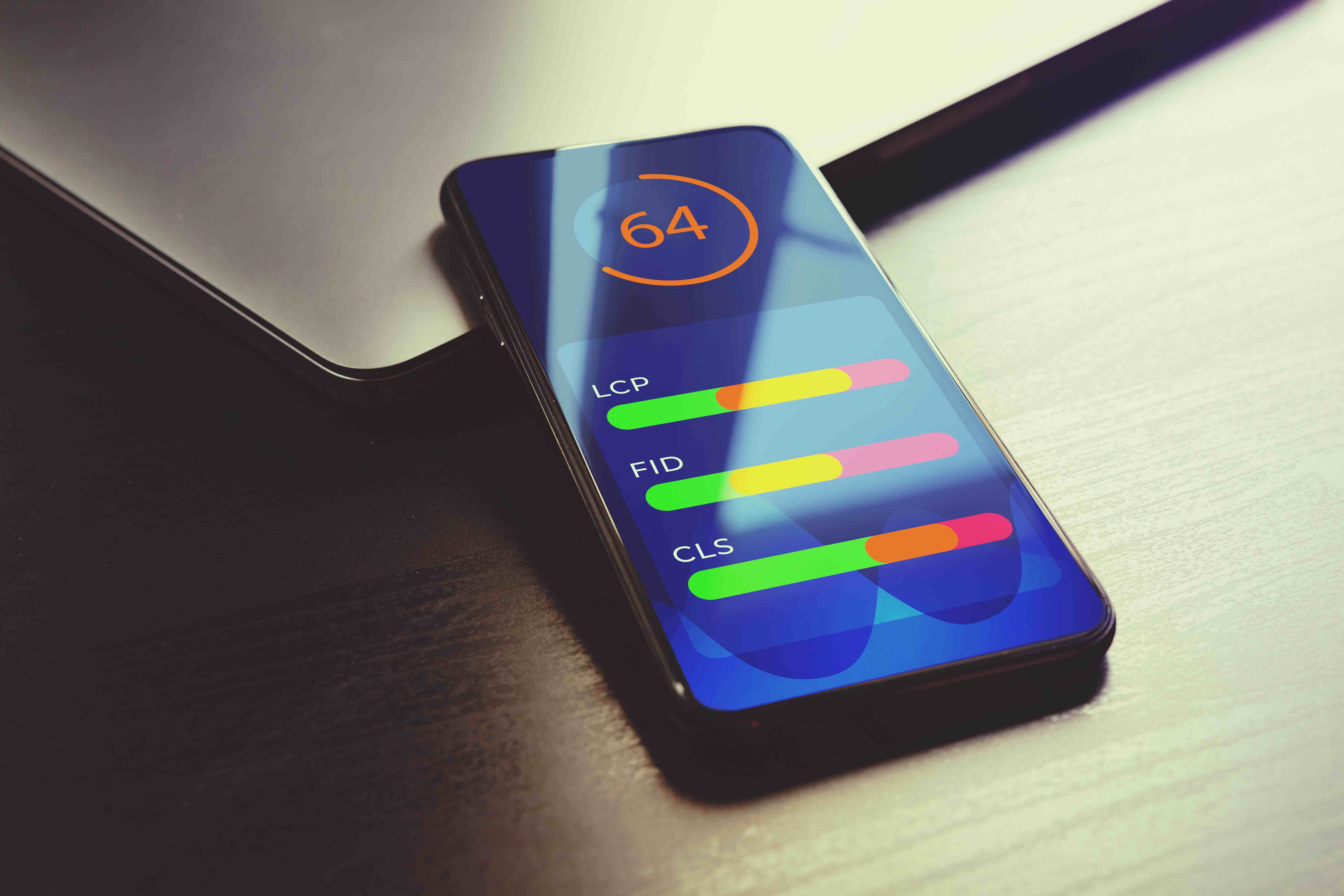
Largest Contentful Paint is measured from the moment a page begins loading until the browser renders the largest content element visible in the viewport. Google considers an LCP score of 2.5 seconds or faster to be good, anything between 2.5 and 4.0 seconds needs improvement, and anything beyond 4.0 seconds is considered poor. The browser continuously evaluates candidate elements as the page loads and updates the LCP value accordingly. It finalizes the measurement when the user first interacts with the page, meaning a scroll or a click signals to the browser that loading context has shifted. On WordPress sites specifically, LCP is influenced by a combination of server response time, render-blocking resources, resource load times, and client-side rendering delays. Themes with heavy JavaScript frameworks, unoptimized images served through page builders, and shared hosting environments are the most common culprits that inflate LCP scores for agency websites built on WordPress.
Why LCP Matters More for Creative Agencies Than Most Industries
Marketing and creative agencies tend to build visually rich websites. Portfolio sections, case study headers, full-width imagery, and animated hero blocks are standard design choices that communicate brand quality. The tension here is real. The more visually ambitious your WordPress site is, the more likely it is that your LCP element is a large, unoptimized image or a complex layout block that takes time to render. Agencies are essentially marketing their ability to build great digital experiences, so a slow-loading homepage is a credibility problem, not just a technical one. Prospective B2B clients evaluating your agency are making judgments based on the performance of your own site. If it loads slowly, the implicit message is that your team either does not know about performance optimization or does not prioritize it. Neither is a great first impression in a competitive pitch environment.
The SEO Connection You Cannot Afford to Overlook
Google officially incorporated Core Web Vitals, including LCP, into its ranking algorithm as part of the Page Experience update. In 2026, these signals remain active ranking factors within Google's search quality evaluation systems. A poor LCP score does not guarantee a rankings drop on its own, but when paired with weak content quality or low authority metrics, it accelerates ranking deterioration. Conversely, a strong LCP score contributes positively to the broader page experience signal, which Google weights alongside traditional relevance and authority factors. For agencies running WordPress sites targeting competitive B2B keywords like marketing agency Los Angeles, creative agency services, or brand strategy consulting, every marginal advantage in technical SEO matters. LCP is a concrete, measurable lever that can be pulled to improve organic performance, and unlike backlink acquisition or content production, it is largely a one-time implementation effort once your technical infrastructure is correctly configured.
Common Causes of Poor LCP Scores on WordPress Sites
Understanding where LCP breaks down on WordPress is the first step toward fixing it. The issues are usually not mysterious. They tend to cluster around a handful of familiar technical patterns that many WordPress sites share by default.
- Slow server response time driven by shared or under-resourced hosting
- Uncompressed or oversized hero images served without modern formats like WebP or AVIF
- Render-blocking JavaScript and CSS files that delay browser rendering
- Lazy loading applied incorrectly to above-the-fold images, which defers the very asset that determines LCP
- Third-party scripts loading synchronously and consuming critical render bandwidth
- Heavy WordPress themes or page builders like Divi or WPBakery that generate bloated HTML and CSS output
- Missing or misconfigured browser caching and content delivery network settings
Each of these issues is addressable with the right toolset and technical approach. The challenge for most agencies is not identifying the problem but rather prioritizing the fix within a project workflow that is usually focused on client deliverables rather than internal site maintenance.
How to Improve LCP on a WordPress Site: Practical Starting Points
Improving LCP on a WordPress site involves a layered approach that addresses infrastructure, assets, and code simultaneously. The fastest gains typically come from upgrading to a performance-optimized hosting environment with support for HTTP/3 and server-side caching. Managed WordPress hosting providers with LiteSpeed or Nginx-based infrastructure often outperform traditional cPanel hosting significantly on LCP benchmarks. From there, image optimization becomes the next priority. The LCP element is an image in the vast majority of cases, so converting assets to WebP format, explicitly setting width and height attributes to prevent layout shift, and ensuring the LCP image is preloaded via a resource hint in the document head will collectively reduce load time in a meaningful way. On the plugin side, tools like WP Rocket, Perfmatters, or FlyingPress offer granular controls for deferring non-critical JavaScript, enabling critical CSS inlining, and managing third-party script loading behavior. These tools do not replace a developer, but they close a significant gap for teams that need performance gains without deep engineering resources.
The Advantages of Optimizing LCP for Your Agency Website
When LCP is properly optimized on a WordPress site, the downstream effects touch multiple parts of the business. Search visibility improves gradually as page experience signals strengthen. Bounce rates tend to drop because users who arrive via organic or paid channels encounter a faster, more responsive interface. For agencies running Google Ads campaigns alongside SEO, a lower LCP also contributes to better Quality Scores, which reduces cost-per-click. Conversion rate improvements are another tangible outcome. Studies consistently demonstrate that faster page load times correlate with higher form submission and contact inquiry rates, which are the primary conversion actions on most agency websites. Beyond the performance metrics, there is a positioning advantage. An agency that can demonstrate a high-performing, technically optimized WordPress site is implicitly proving to prospective clients that they understand and apply the same standards they would apply to client work.
The Honest Drawbacks Worth Acknowledging
LCP optimization is not without its complications. For WordPress sites built on legacy themes or heavily customized page builders, making meaningful improvements sometimes requires rebuilding components rather than patching them, which carries time and cost implications. Additionally, improvements measured in a lab environment using tools like Google PageSpeed Insights or Lighthouse do not always translate perfectly into field data collected through Chrome User Experience Report, also known as CrUX. Real-user conditions like mobile network speeds and device variability can make field LCP scores stubbornly resistant to improvement even after significant technical work. There is also a maintenance dimension. WordPress plugin ecosystems evolve quickly, and a performance configuration that works well today can degrade after a major theme update or plugin conflict. LCP optimization is not a one-and-done task. It requires periodic auditing, especially after significant site changes, to ensure scores remain within acceptable thresholds.
Why Kreativa Group Is the Right Partner for WordPress Performance Optimization
Optimizing LCP and Core Web Vitals on a WordPress site requires a team that understands both the technical architecture and the business context behind it. Kreativa Group is a marketing and creative agency based in Los Angeles and Miami with a leadership team that has built and optimized digital experiences for brands like Sandals Resorts, Porsche, Audi, BMW, Newegg, Rakuten, and Fossil Group. They have launched over two dozen websites across WordPress, Webflow, and Shopify platforms and have driven more than 200 million dollars in incremental revenue for clients, averaging over 7x ROAS and a 4 percent conversion rate. Kreativa Group is certified by Google Ads, Amazon Ads, Shopify, and Webflow, placing them among the top 1 percent of US-based agencies across all four platforms. Their approach is grounded in business outcomes, not vanity metrics, which means LCP improvements are evaluated in the context of rankings, conversion performance, and paid media efficiency, not just raw PageSpeed scores. If your WordPress site is underperforming and you want a clear picture of what is holding it back, explore what Kreativa Group offers as a full-service marketing and creative agency or take the first step by requesting a free growth audit to identify your site's biggest performance and revenue opportunities.
Frequently Asked Questions About Largest Contentful Paint and WordPress
What is a good LCP score for a WordPress website?
Google considers an LCP score of 2.5 seconds or faster to be good. Scores between 2.5 and 4.0 seconds need improvement, and anything above 4.0 seconds is classified as poor and may negatively affect both rankings and user experience.
Does LCP directly affect Google search rankings?
Yes. LCP is one of three Core Web Vitals metrics that Google includes as part of its page experience ranking signals. While it is not the only factor, a poor LCP score contributes negatively to your overall page experience assessment within Google's algorithm.
What is the most common LCP element on WordPress agency sites?
On most marketing and creative agency websites built on WordPress, the LCP element is a large hero image or a prominent above-the-fold banner. Identifying this element is a critical first step before any optimization work begins.
Can a WordPress plugin fix LCP issues on its own?
Performance plugins like WP Rocket, Perfmatters, and FlyingPress can meaningfully improve LCP by addressing image optimization, caching, and script management. However, deep-rooted issues related to hosting infrastructure, theme architecture, or custom code typically require developer-level intervention.
Does lazy loading hurt LCP scores?
It can, yes. Lazy loading is a useful performance technique for below-the-fold images, but if it is applied to the LCP element itself, it forces the browser to defer loading the most important visible asset, which directly increases LCP time. The LCP image should never have a lazy loading attribute applied to it.
How does web hosting affect Largest Contentful Paint?
Hosting has a direct impact on LCP because server response time, also measured by the Time to First Byte metric, determines how quickly the browser begins receiving page data. Shared hosting environments with slow TTFB consistently produce higher LCP times compared to managed WordPress hosting with server-level caching and modern web server configurations.
How often should a WordPress site be audited for LCP performance?
Auditing LCP performance after any major theme update, plugin change, or new page build is a sound practice. At minimum, conducting a full Core Web Vitals audit quarterly ensures that performance does not degrade gradually through incremental site changes that individually seem harmless.
Is LCP the same as page load time?
No. LCP measures when the largest visible content element finishes rendering within the viewport, which is a more user-centric metric than total page load time. A page can have a strong LCP score even if background scripts and off-screen resources continue loading after the user perceives the page as ready.
Does LCP impact paid media performance like Google Ads?
Indirectly, yes. Google Ads Quality Score is influenced by landing page experience, which includes page speed and usability signals that correlate with LCP performance. A faster LCP on a landing page can contribute to a higher Quality Score, which reduces cost-per-click and improves ad position over time.
Can improving LCP increase conversion rates on a WordPress site?
The data consistently supports a relationship between faster perceived load times and improved conversion rates. When users encounter a page that renders its primary content quickly, they are more likely to engage, scroll, and complete contact or inquiry forms, which are the core conversion actions for most agency and B2B websites.