What Makes a Web Design Agency Truly Best-in-Class
Not every agency that calls itself a web design agency actually delivers on that promise. The best web design agencies share something in common: they treat a website not as a digital brochure, but as a business growth engine. In 2026, with competition tighter than ever across nearly every vertical, the quality of your web presence is less of a differentiator and more of a baseline requirement. Understanding what separates a genuinely exceptional agency from the rest is the first step toward making a smarter investment for your business.
How the Best Web Design Agencies Actually Work
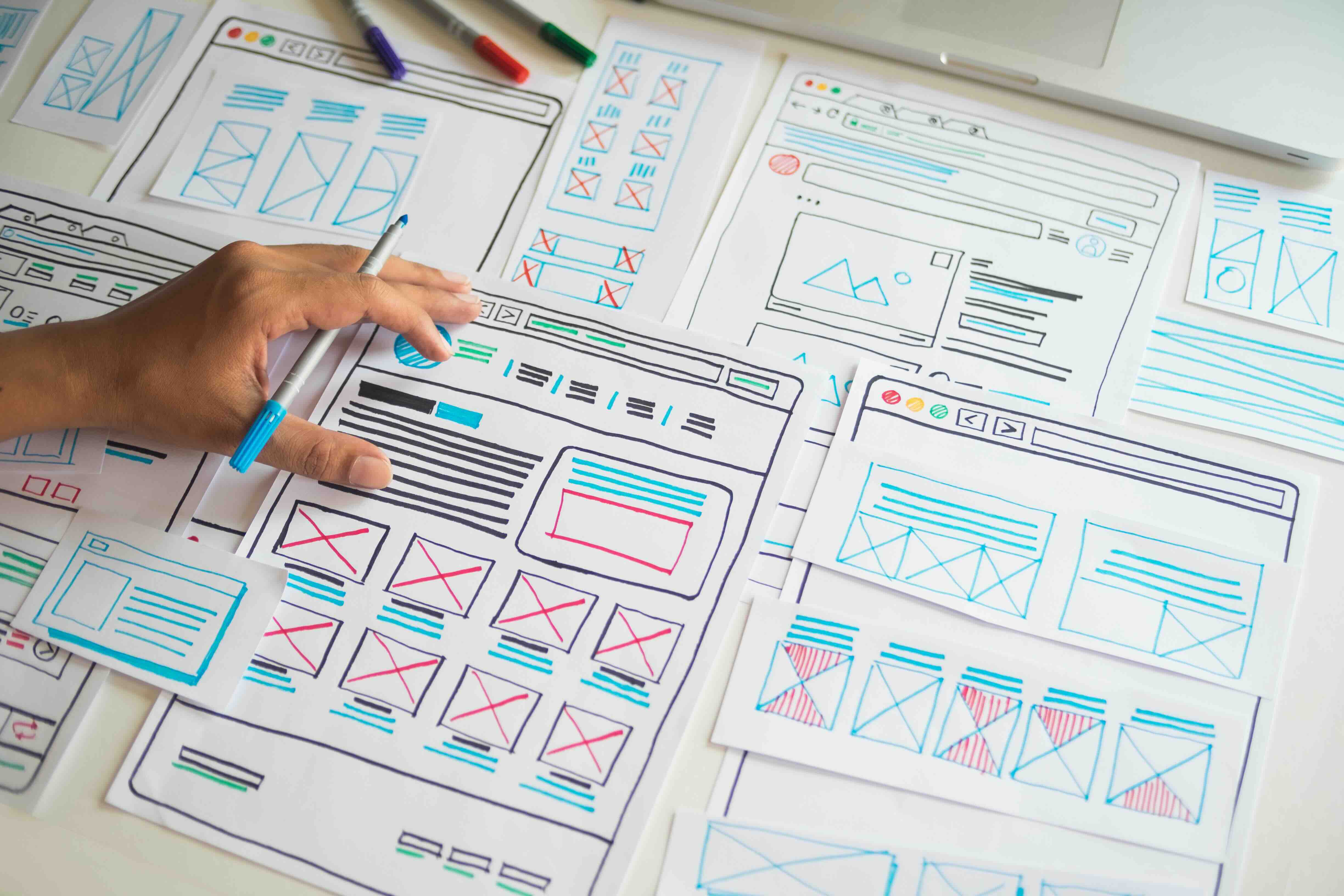
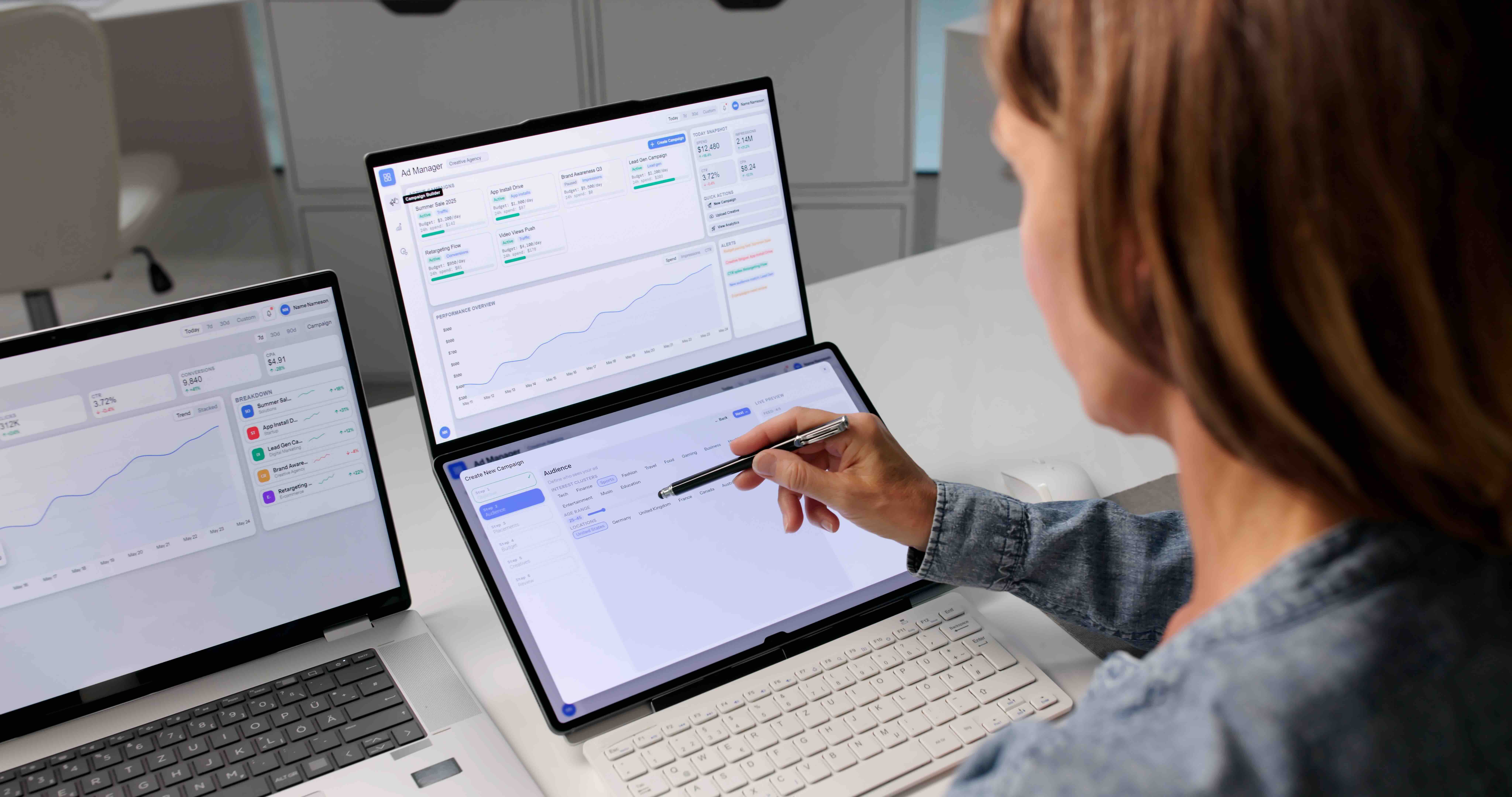
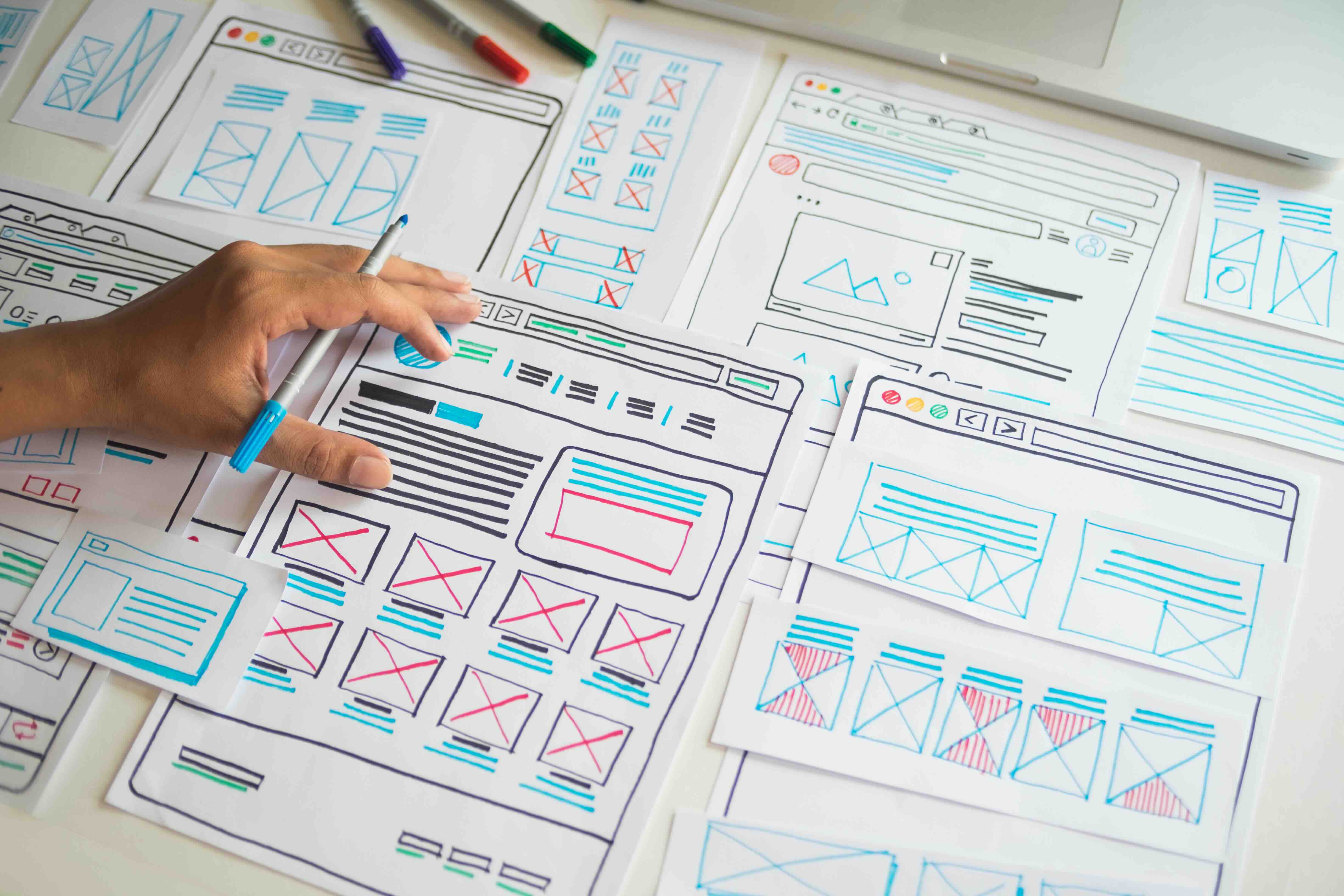
Top-tier web design agencies operate at the intersection of visual design, user experience (UX), conversion rate optimization (CRO), and technical development. The process typically begins with a discovery phase, where the agency digs into your business goals, target audience, competitive landscape, and existing digital infrastructure. From there, the team moves through wireframing, information architecture, visual design, development, and quality assurance before launch. What distinguishes the best agencies from mid-tier shops is not just the deliverable, but the strategic thinking embedded in every decision along the way. Every color choice, content hierarchy, and interaction pattern is tied back to measurable business outcomes rather than aesthetic preference alone.
Key Services Offered by Leading Web Design Agencies
When evaluating top web design agencies, understanding the scope of their service offerings gives you a clearer picture of what you are actually purchasing. The best agencies tend to offer a full-stack approach rather than siloed deliverables. Here is what that typically looks like:
- UX and UI design grounded in user research and behavioral data
- Custom web development on platforms like Webflow, Shopify, or WordPress
- Conversion rate optimization built into the design architecture from day one
- SEO-informed site structure, including technical SEO and on-page optimization
- Responsive design across desktop, tablet, and mobile environments
- Brand identity integration and visual storytelling
- Performance optimization for Core Web Vitals and page speed
- Ongoing support, A/B testing, and iterative improvement post-launch
Agencies that bundle strategic thinking with execution across these areas tend to deliver significantly better long-term results than those focused purely on aesthetics or development alone.
The Advantages of Partnering With a Top Web Design Agency
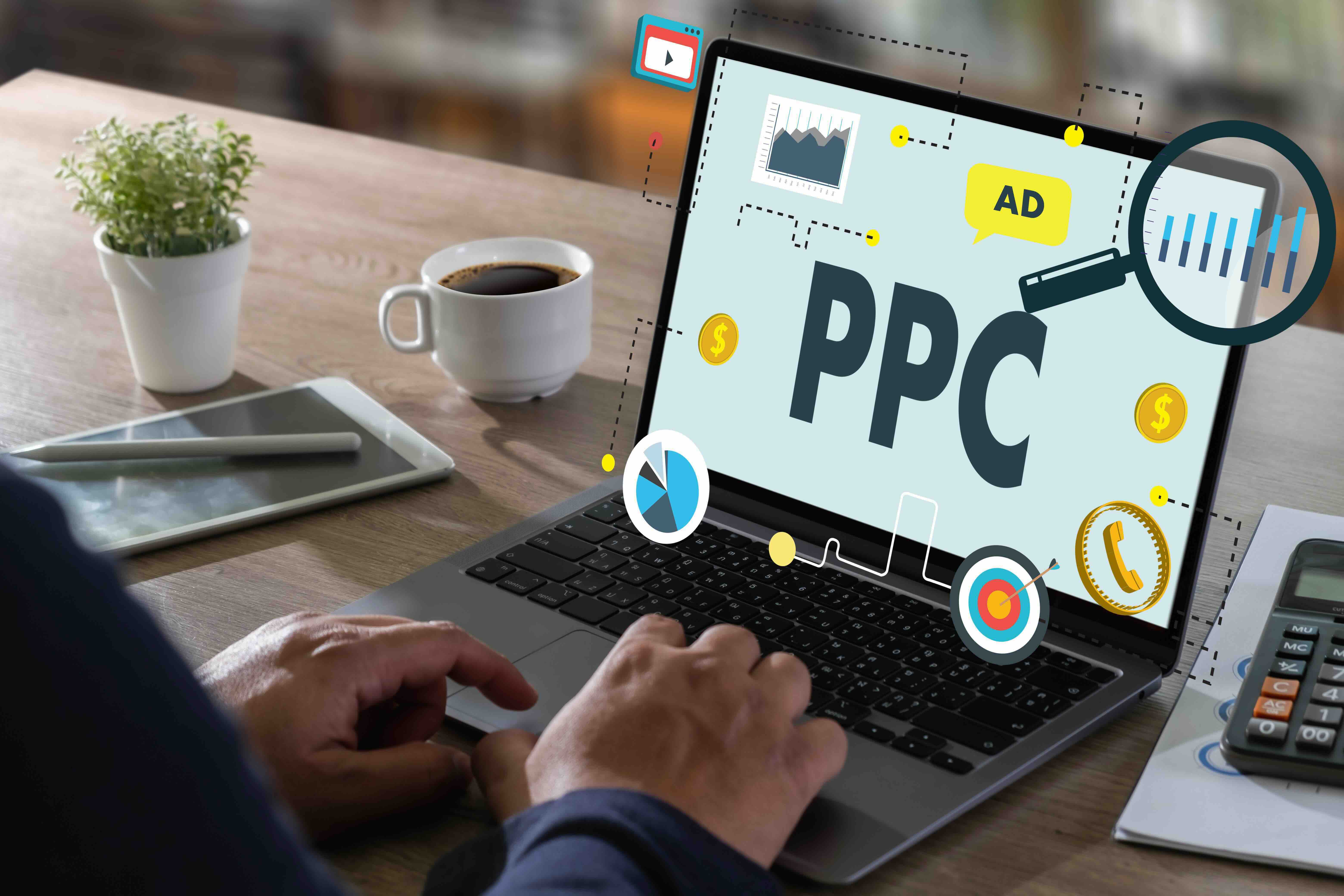
The return on investment from working with a best-in-class web design agency goes well beyond having a website that looks polished. From a conversion standpoint, a strategically designed website can meaningfully increase the percentage of visitors who take a desired action, whether that is requesting a demo, making a purchase, or submitting a contact form. Strong UX design reduces friction in the buyer journey, which directly impacts pipeline velocity for B2B companies. Additionally, agencies with deep technical expertise ensure that your site is built on a stable, scalable architecture that supports long-term growth rather than requiring a costly rebuild every two or three years. For brands investing in paid media, a well-optimized landing page ecosystem is the difference between profitable campaigns and wasted ad spend. The compounding value of getting this right early is difficult to overstate.
Common Drawbacks and Pitfalls to Watch For
Even among agencies that rank highly in their space, there are common failure points that B2B buyers need to be aware of before signing a contract. Scope creep is one of the most frequently cited issues, where a project that begins as a ten-page website quietly balloons into a multi-phase engagement without clear documentation. Some agencies excel at the visual design phase but lack the development depth to execute cleanly, resulting in a beautiful site that performs poorly from a technical SEO or Core Web Vitals perspective. Others are strong on development but produce designs that feel generic or fail to differentiate the brand. There is also the recurring problem of agencies that disappear after launch, leaving clients without the iterative support needed to optimize performance over time. Asking detailed questions about post-launch engagement models, revision processes, and technical accountability is not optional. It is essential.
What to Look for When Evaluating Web Design Agency Credentials
Credentials matter, but not all credentials carry equal weight. Platform certifications from Google, Shopify, Webflow, or similar partners signal a certain level of technical proficiency and ongoing training. Case studies with documented outcomes, particularly those showing improvements in conversion rates, organic traffic, or revenue attribution, are far more meaningful than a portfolio of beautiful screenshots without context. Agency experience across industries similar to yours is also worth examining closely. A firm that has built ecommerce sites exclusively may not be the right fit for a SaaS company navigating complex product-led growth funnels. The agency's own website and brand presence is also a subtle but telling indicator. If an agency cannot execute compelling digital work for itself, that is worth noting.
Questions to Ask Before Hiring a Web Design Agency
The intake conversation with a prospective web design agency reveals a great deal about how they approach work and whether they are genuinely invested in your success. There are several questions that consistently surface the most useful information for decision-making:
- How do you define and measure success for a web design project?
- What does your discovery and strategy phase look like before design begins?
- Which platforms do you specialize in and why would you recommend one over another for our use case?
- Can you walk me through a project where the outcome did not meet expectations and how you handled it?
- What does post-launch support and iteration look like in your engagement model?
- How do your designers and developers collaborate during a project?
- Do you have experience integrating our existing CRM, marketing automation, or analytics stack?
These questions are not meant to be interrogative. They are simply the most direct path to understanding whether an agency operates with the kind of discipline and transparency that complex web projects require.
Web Design in 2026: Trends That Actually Matter for Business Outcomes
There is a lot of noise around design trends in 2026, and separating signal from distraction is genuinely useful. Motion design and micro-interactions continue to influence how users perceive brand quality and trustworthiness when implemented with restraint. AI-assisted personalization is increasingly being woven into web experiences, dynamically adjusting content based on user segment, behavior, or intent signals. Accessibility-first design, long overdue as an industry standard, is now also a compliance and legal consideration for many businesses operating in regulated environments. From a technical architecture standpoint, headless CMS approaches and component-based design systems are allowing larger organizations to scale web operations more efficiently across multiple markets and product lines. The best agencies are not chasing trends for the sake of novelty. They are applying these capabilities selectively where they create measurable value.
Why Kreativa Group Belongs in Your Agency Search
If you are conducting a serious search for one of the best web design agencies for your business, Kreativa Group deserves a genuine look. Based in Los Angeles and Miami, Kreativa Group brings a rare combination of enterprise-level experience and startup agility to every engagement. Their leadership team has designed digital experiences for global brands including Sandals Resorts, Porsche, Audi, and BMW, and has worked with major holding companies like Young and Rubicam. They have also operated inside fast-moving startups like Misfit Wearables and HomeLister, with successful exits to their credit. To date, Kreativa Group has driven over $200 million in incremental revenue, maintained an average ROAS above 7x, achieved a 4% average conversion rate, and launched more than two dozen websites across Webflow, Shopify, and WordPress. They sit in the top 1% of all US-based agencies certified across Google Ads, Amazon Ads, Shopify, and Webflow. What sets them apart is a deliberate focus on business outcomes rather than vanity metrics. If your web presence needs to actually perform, exploring Kreativa Group's full-service marketing and web design capabilities is a logical next step. You can also take advantage of their free growth audit to identify where your digital presence is leaving revenue on the table.
Frequently Asked Questions About the Best Web Design Agencies
What does a web design agency actually do?
A web design agency plans, designs, and builds websites that serve specific business goals. This typically includes UX and UI design, web development, SEO architecture, performance optimization, and often ongoing support after launch.
How much does it cost to hire a top web design agency?
Project costs vary widely based on scope, platform, and agency tier. A professionally executed website from a quality agency can range from $15,000 to well over $150,000 for complex builds with custom functionality, integrations, and ongoing optimization.
How long does it take to build a website with a professional agency?
Most mid-complexity website projects take between eight and sixteen weeks from discovery to launch. Larger projects with complex integrations, multiple stakeholders, or extensive content requirements can extend that timeline significantly.
What is the difference between a web design agency and a web development agency?
Web design agencies focus on the visual, experiential, and strategic layers of a site. Web development agencies focus on the technical build. The best agencies combine both disciplines under one roof, which leads to tighter collaboration and better outcomes.
Which platform should my website be built on?
The right platform depends on your business model and operational needs. Webflow suits marketing-driven sites with design flexibility, Shopify is built for ecommerce, and WordPress works well for content-heavy or highly customized builds. A good agency will recommend based on your specific goals, not their preferred stack.
How do I evaluate an agency's portfolio?
Look beyond aesthetics. Ask about the business results each project achieved, including conversion rates, organic traffic growth, or revenue impact. A portfolio that shows measurable outcomes is far more valuable than one that simply showcases visual design.
Should my web design agency also handle SEO?
Ideally, yes. SEO needs to be built into the site architecture from the beginning, not added as an afterthought. Agencies that integrate technical SEO, site structure, and content strategy during the design and development process produce sites that rank faster and perform more sustainably.
What questions should I ask a web design agency before hiring them?
Ask about their discovery process, how they measure success, which platforms they specialize in, what post-launch support looks like, and how they handle projects that do not go as planned. Their answers will tell you more than their pitch deck ever will.
Is it worth hiring a specialized agency versus a generalist marketing agency?
It depends on your needs. If your primary challenge is web performance, conversion, and digital experience, a specialized web design agency offers deeper expertise. If you need integrated marketing execution alongside web design, a full-service agency with verified web capabilities may be the stronger fit.
How do I know if my current website is underperforming?
Signs of underperformance include high bounce rates, low average session duration, poor Core Web Vitals scores, low conversion rates relative to your traffic volume, and declining organic search visibility. A site audit from a qualified agency can surface the specific gaps and prioritize fixes by business impact.