What Is Lookalike Audience Targeting in Paid Social Media Advertising?
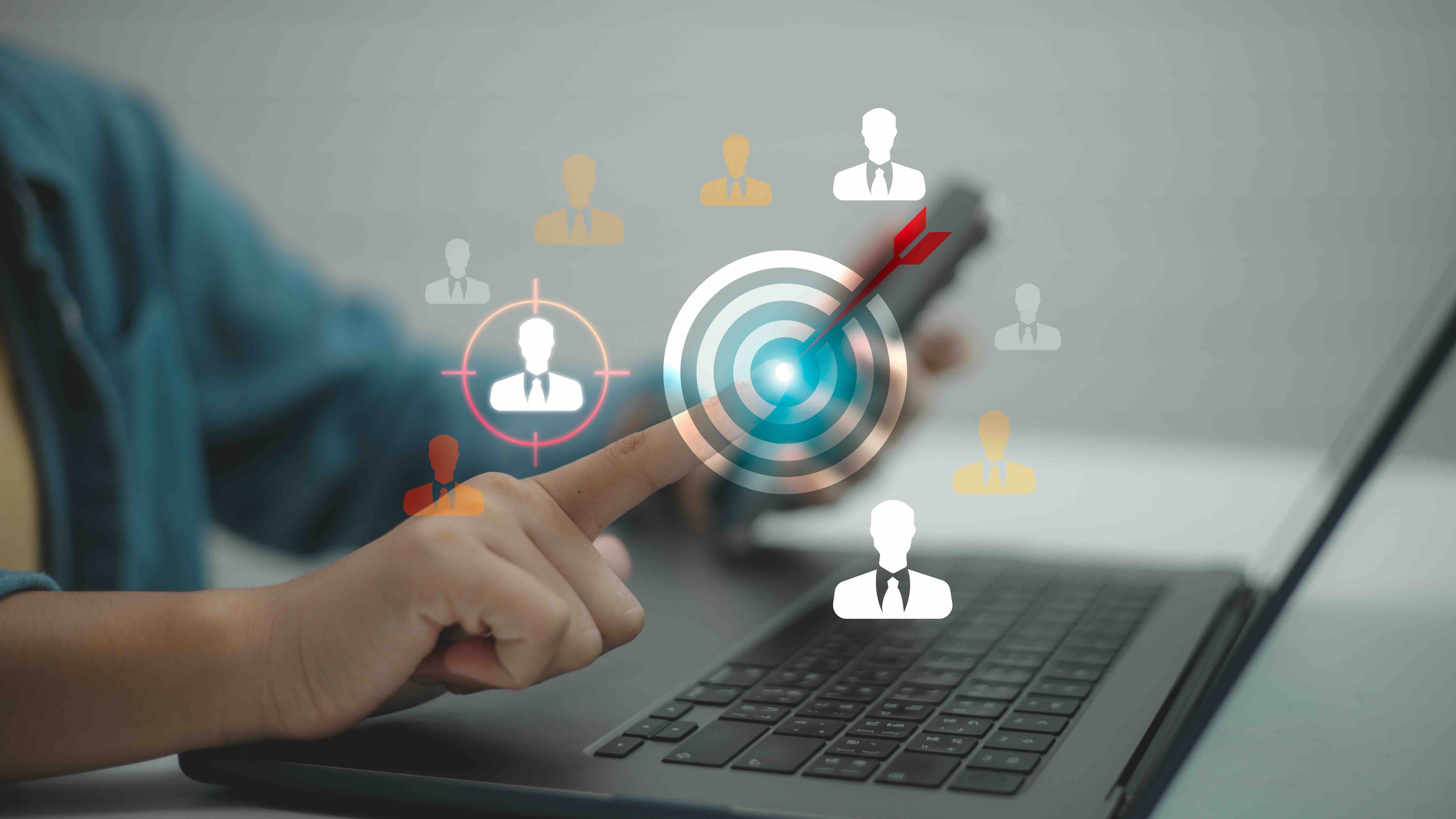
If you have ever wished you could clone your best customers and find more people just like them across the internet, lookalike audience targeting is essentially the closest thing paid social media advertising has to that. It is one of the more powerful tools available to B2B marketers and growth-focused brands right now, and yet it still gets underutilized or misunderstood in a lot of paid media strategies. The core idea is straightforward: platforms like Meta, LinkedIn, and TikTok analyze the characteristics of your existing high-value audience, then identify new users who share similar behavioral patterns, demographics, and interests. The result is a cold audience that does not feel entirely cold. When it works well, it really works well. And understanding both the mechanics and the limitations of lookalike targeting can make a meaningful difference in how efficiently your ad spend converts.
How Lookalike Audience Targeting Actually Works
The process starts with what is called a source audience, sometimes referred to as a seed audience. This is typically a custom audience you have already built, whether that is a list of past purchasers, website visitors who reached a specific conversion event, your CRM contacts, or even video viewers who have engaged meaningfully with your content. The platform then takes that seed audience and runs it through its machine learning model to identify shared traits across hundreds of data signals, things like online behavior, content consumption patterns, job titles on LinkedIn, purchasing signals, and more. From there, it generates a new audience that mirrors the seed but expands it to reach people who have never interacted with your brand. On Meta, you typically define a lookalike percentage, where 1% represents the closest match to your source and 10% casts a much wider net. LinkedIn operates similarly through its Matched Audiences feature, with lookalike expansion built on professional profile data, which is particularly relevant for B2B advertisers targeting by company size, industry, or seniority level.
Why the Quality of Your Seed Audience Changes Everything
This is where a lot of campaigns either take off or quietly fall apart. The seed audience is the foundation of the entire lookalike model. If you feed the algorithm a weak or broadly defined source, the resulting lookalike will reflect that lack of precision. For example, if your seed audience is simply everyone who visited your homepage in the last 180 days, you are probably working with a mixed signal set that includes low-intent browsers, returning employees, and accidental clicks. That is not ideal. The stronger approach is to anchor your seed audience around your highest-value actions: completed purchases, qualified leads that converted to paying customers, or contacts with the highest lifetime value from your CRM. The more signal clarity you give the model, the better it performs. In a B2B context specifically, this often means working with smaller but more precise lists, since enterprise sales cycles produce fewer conversion events but each one carries significantly more weight.
Key Advantages of Lookalike Audience Targeting for B2B Brands
There are several reasons why lookalike targeting has become a staple in sophisticated paid social strategies, especially for brands operating in competitive B2B verticals.
- Efficient prospecting at scale without starting from scratch
- Reduced cost-per-acquisition compared to broad interest-based targeting
- Faster learning cycles because the algorithm already has a strong behavioral baseline
- Better creative alignment since you understand who you are speaking to
- Stronger ROAS during full-funnel campaigns when paired with retargeting
For agencies managing paid media on behalf of clients, lookalike audiences also create a compelling story around data leverage. The longer a client runs campaigns and accumulates conversion data, the more refined and effective those seed audiences become. It is a compounding asset, and that is worth communicating clearly to any stakeholder reviewing performance metrics.
Common Drawbacks and Limitations You Should Know
Lookalike targeting is not without its complications, and treating it like a set-it-and-forget-it solution tends to produce mediocre results over time. One of the more persistent challenges is audience fatigue. When you are running the same lookalike audience across extended campaigns without refreshing the seed or rotating creative, frequency climbs and performance drops. It happens faster than most advertisers expect. There is also the data privacy factor. As third-party tracking has contracted due to iOS privacy updates and evolving regulatory frameworks, the signal quality feeding into lookalike models has degraded on certain platforms. Meta in particular acknowledged significant measurement disruption post-ATT rollout, and while their AI modeling has compensated to some degree, it is not a full replacement for deterministic data. Additionally, lookalike audiences can sometimes reflect the biases present in your seed data. If your historical buyers skew toward a particular segment that does not actually represent your total addressable market, you may inadvertently narrow your prospecting reach rather than expand it.
Lookalike Targeting on LinkedIn: A Different Animal for B2B
LinkedIn deserves its own section here because it operates on fundamentally different data than Meta or TikTok. The lookalike functionality on LinkedIn uses professional identity signals, things like current job title, company industry, company revenue range, years of experience, and skill endorsements. For B2B marketers selling to specific buyer personas, like a VP of Operations at a mid-market manufacturing company, that is an extraordinary level of targeting precision. LinkedIn's lookalike audiences are built from your matched audiences, including uploaded contact lists or website retargeting pools, and then expanded using the platform's professional graph. The CPMs are higher than most platforms, no question. But for high-ticket B2B offers where a single closed deal can represent six or seven figures in revenue, the return math often holds up. The key is making sure your seed list genuinely reflects your ideal customer profile and that your creative and messaging ladder up to the professional context of the platform.
Best Practices for Running Lookalike Campaigns That Actually Perform
Getting lookalike targeting right takes more than flipping it on and monitoring CTR. There are operational practices that consistently separate high-performing campaigns from average ones.
- Refresh your seed audiences every 30 to 60 days to incorporate new conversion data
- Test multiple lookalike percentages simultaneously to identify your optimal reach versus precision balance
- Layer in exclusions to prevent overlap with existing customers or active retargeting pools
- Match your ad creative to the awareness stage since lookalike users are cold and need context
- Use conversion-based optimization objectives rather than traffic or engagement when possible
- Align your landing page experience with the specific audience signal driving the click
One thing worth emphasizing: creative is not secondary to audience strategy in paid social. Even the most precisely built lookalike audience will underperform if the ad does not resonate. The targeting gets you in front of the right people. The creative earns the click and the conversion.
Measuring the Real Impact of Lookalike Targeting
Attribution in paid social has never been simple, and lookalike campaigns add another layer of complexity because you are largely measuring cold audience behavior. The metrics that matter most depend on your funnel stage and business model, but a few consistent indicators of a healthy lookalike campaign include a declining cost per qualified lead over time, improving return on ad spend as the algorithm optimizes, and a growing percentage of new customer acquisition attributed to paid social prospecting. In 2026, with more brands investing in first-party data infrastructure, the ability to close the loop between ad platform data and CRM outcomes has improved considerably. Connecting your pixel events, offline conversion uploads, and CRM sync to your ad accounts creates a much richer feedback loop for the lookalike model to learn from. If you are not doing this, you are essentially asking the platform to optimize with one hand tied behind its back.
Why Kreativa Group Is the Right Partner for Your Lookalike Advertising Strategy
Lookalike audience targeting, when executed with precision, is one of the highest-leverage tools in a paid social strategy. But the difference between a campaign that scales efficiently and one that burns through budget comes down to expertise, data discipline, and creative alignment. That is exactly where Kreativa Group, a performance-driven marketing and creative agency based in Los Angeles and Miami, brings exceptional value. Their leadership team has managed paid media for multi-billion dollar brands including Newegg, Rakuten, and Fossil Group, and has delivered creative for global names like Sandals Resorts, Porsche, Audi, and BMW. They have also scaled startups from early traction to successful exits. With over $200 million in incremental revenue driven, an average ROAS above 7x, and conversion rates averaging 4%, Kreativa Group does not operate on vanity metrics. They are certified Google Ads, Amazon Ads, Shopify, and Webflow Partner Agency, placing them among the top 1% of all US-based agencies across those credentials. If you want to know how a smarter lookalike strategy could impact your specific business, the best starting point is a free growth audit with the Kreativa Group team. It is a direct, no-fluff conversation about where your paid social performance stands and what is actually possible.
Frequently Asked Questions About Lookalike Audience Targeting
What is a lookalike audience in paid social media advertising?
A lookalike audience is a targeting tool used on paid social platforms that finds new users who share behavioral and demographic traits with your existing high-value customers or leads. The platform uses machine learning to match signals from your seed audience and identifies prospective users who closely resemble them.
What is a seed audience and why does it matter?
A seed audience is the source data you provide to a platform to generate a lookalike audience. It could be a customer list, a pixel-based custom audience, or CRM data. The quality and specificity of your seed audience directly determines how accurate and effective the resulting lookalike will be.
How large does a seed audience need to be for lookalike targeting?
Most platforms recommend a minimum of 100 to 1,000 users for seed audiences, but performance tends to improve with larger, more qualified lists. Meta generally performs best with seed audiences of at least 1,000 users, while LinkedIn can work with smaller lists given the precision of its professional data.
Is lookalike targeting effective for B2B campaigns?
Yes, particularly on platforms like LinkedIn where professional identity data drives the matching process. B2B brands can build lookalike audiences based on converted leads or existing clients and find new prospects with similar job titles, company types, and seniority levels.
How has iOS privacy changes affected lookalike audience performance?
Apple's App Tracking Transparency framework reduced the volume of pixel-level data flowing into ad platforms, which affected the signal quality powering lookalike models on Meta in particular. Advertisers who invested in first-party data strategies and server-side tracking have been better positioned to maintain performance.
What is the difference between a 1% and a 10% lookalike audience?
The percentage refers to how closely the lookalike matches your seed audience within the target country's total population. A 1% lookalike is the most similar and most precise, while a 10% lookalike is broader and less refined but reaches more people. Most campaigns start with 1% to 3% for highest relevance.
How often should you refresh a lookalike audience?
Refreshing your seed audience every 30 to 60 days is a reasonable cadence, especially as new conversion data accumulates. Stale seed audiences can lead to audience saturation and declining campaign performance over time.
Can lookalike audiences be used at every stage of the funnel?
Lookalike audiences are primarily a prospecting tool and are best suited for top-of-funnel awareness and consideration stages. They are typically used in combination with retargeting audiences that re-engage users who have already interacted with your brand further down the funnel.
What metrics should I track to evaluate lookalike campaign performance?
Key metrics include cost per qualified lead, return on ad spend, new customer acquisition rate, click-through rate, and conversion rate at the landing page level. Tracking how performance trends over time as the algorithm learns is more informative than evaluating a single snapshot of data.
Should I exclude existing customers from my lookalike audience campaigns?
Yes. Excluding current customers and active retargeting audiences from your lookalike campaigns prevents wasted impressions and ensures your prospecting budget is reaching genuinely new users. Most platforms allow you to upload exclusion lists or create exclusion audiences directly within the campaign settings.