First Input Delay Fix: What It Is, Why It Matters, and How It Affects Your Agency's Digital Performance
If you have ever clicked a button on a website and nothing happened for what felt like an eternity, you have experienced poor First Input Delay firsthand. It is one of those invisible performance issues that quietly erodes user trust, kills conversion rates, and sends bounce rates through the roof. For marketing and creative agencies managing client websites, landing pages, and digital campaigns, understanding and fixing First Input Delay is not optional anymore. It is table stakes. In 2026, Google's Core Web Vitals remain a significant ranking signal, and First Input Delay sits at the intersection of user experience and search performance. This article breaks it all down clearly, so you can make confident decisions about your digital stack.
What Is First Input Delay and Why Should You Care
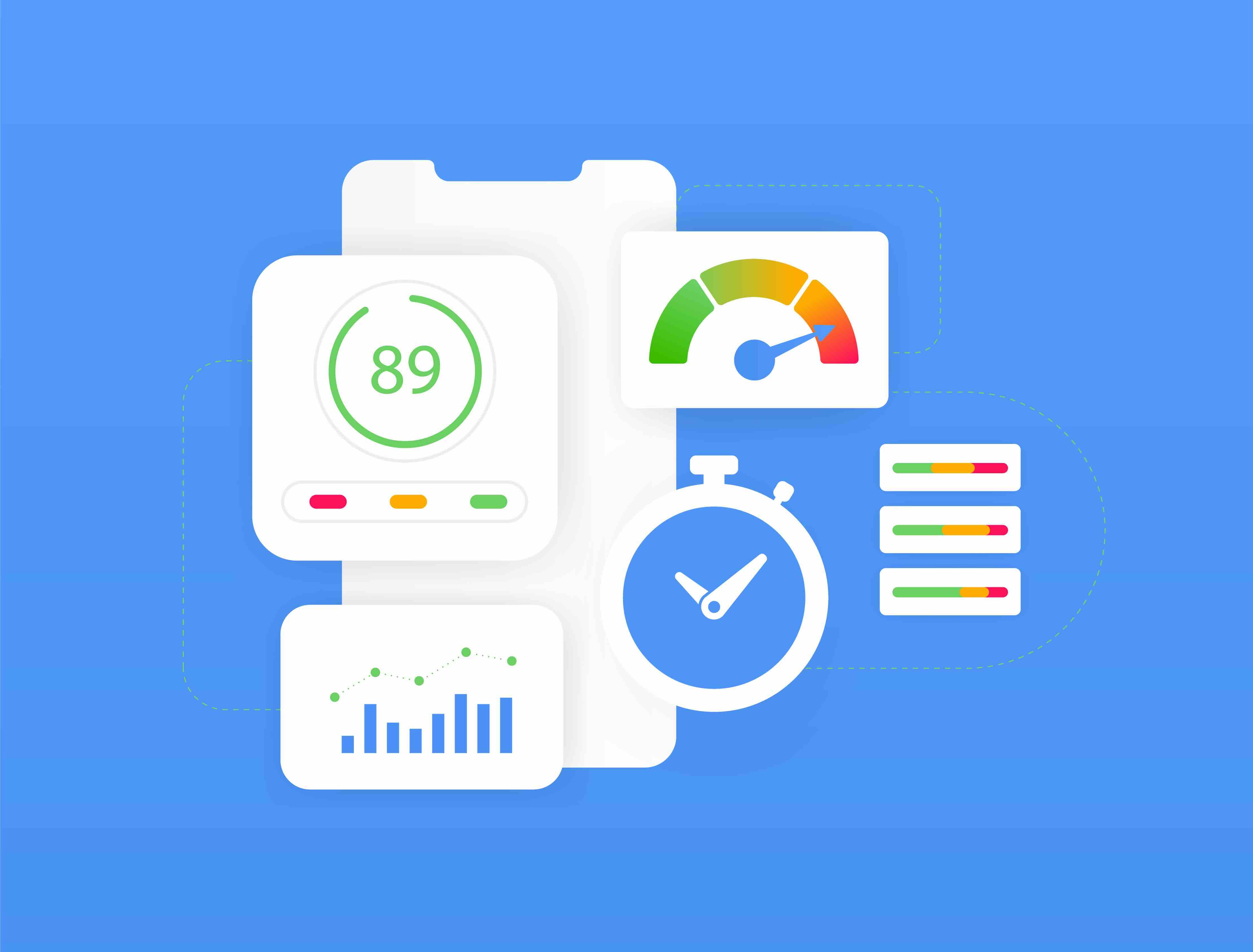
First Input Delay, commonly abbreviated as FID, measures the time between when a user first interacts with a page and when the browser is actually able to begin processing that interaction. Think of it as the lag time between a user's intent and the site's response. The interaction could be a click on a navigation link, a button press, or typing into a form field. FID does not measure how long it takes for an action to complete. It specifically captures the delay before the browser even begins responding. Google considers a good FID score to be under 100 milliseconds. Anything between 100 and 300 milliseconds needs improvement. Anything above 300 milliseconds is considered poor. For agencies running high-traffic client campaigns or managing e-commerce storefronts, even a few extra milliseconds of delay can translate directly into lost leads and revenue.
The Technical Root Cause Behind First Input Delay
To fix something, you need to understand what is breaking it. FID is almost always caused by a heavy main thread. The browser's main thread handles HTML parsing, JavaScript execution, CSS rendering, and user input simultaneously. When the main thread is overwhelmed, usually because of large, unoptimized JavaScript bundles executing during page load, it cannot respond to user input right away. The input gets queued. That queue time is your FID. Third-party scripts, analytics tags, ad pixels, and bloated JavaScript frameworks are the most common culprits. In an agency environment, where websites are often layered with tag manager containers, chat widgets, heatmap tools, and retargeting pixels, the main thread congestion compounds quickly. The fix lives in reducing that congestion and giving the browser room to breathe.
How the First Input Delay Fix Actually Works
Fixing FID requires a multi-pronged approach centered on JavaScript optimization and main thread management. The core strategies agencies implement include code splitting, deferred script loading, reducing JavaScript execution time, breaking up long tasks, and using web workers for off-thread processing. Code splitting involves breaking large JavaScript bundles into smaller chunks that load only when needed, rather than dumping everything onto the user at once. Deferred and asynchronous script loading ensures that non-critical scripts do not block the main thread during the initial page load. Web workers move computationally intensive tasks off the main thread entirely, allowing the browser to stay responsive to user input. When these strategies are implemented together, FID scores drop significantly and pages feel noticeably more responsive, which is something users feel even if they cannot articulate why.
Key Advantages of Fixing First Input Delay for Agencies and Their Clients
The benefits of addressing FID extend well beyond a better Lighthouse score. Here is what a properly executed First Input Delay fix delivers in a real business context:
- Improved Core Web Vitals scores, which directly support better organic search rankings
- Higher conversion rates due to faster, more responsive page interactions
- Reduced bounce rates because users are not abandoning pages out of frustration
- Better ad quality scores on platforms like Google Ads, which can lower cost-per-click
- Stronger user experience signals that support long-term brand credibility
- More reliable performance across mobile devices, where main thread congestion is more pronounced
- Improved parity between lab performance data and real-world field data
For agencies managing paid media campaigns, improved FID correlates with better landing page experience scores. That matters enormously when it comes to ad auction dynamics. Google rewards pages that provide good experiences with better ad placement at lower costs. Fixing FID is not just a technical improvement. It is a business lever.
Common Drawbacks and Limitations to Know Before You Start
No fix comes without trade-offs, and FID remediation is no exception. The most significant challenge is that aggressive JavaScript deferral can introduce dependency conflicts if scripts are loading out of order. If a marketing automation script depends on another library that loads asynchronously, you can break form submissions, tracking events, or dynamic content rendering. Additionally, code splitting requires a build pipeline that supports it, which means legacy websites or those built on older CMS frameworks may need significant architectural changes before any optimization can happen. There is also the measurement gap to consider. FID is a field metric, meaning it requires real user interactions to generate data. Lab tools like Lighthouse simulate performance but cannot replicate authentic FID scores, which can make it harder to validate improvements without sufficient traffic data. Agencies working on lower-traffic client sites may find it difficult to get statistically meaningful FID data quickly.
FID Versus Interaction to Next Paint: Understanding the Transition
It is worth noting that Google has officially transitioned from FID to Interaction to Next Paint, or INP, as a Core Web Vitals metric. INP is a more comprehensive measure of a page's overall responsiveness throughout the entire user session, not just the first interaction. While FID focused narrowly on that first input moment, INP captures all interactions, including clicks, taps, and keyboard inputs, and reports the worst-case latency observed. In 2026, INP has fully replaced FID in Google's official scoring. However, the underlying fixes are largely the same. Optimizing JavaScript execution, reducing long tasks, and managing main thread load are the foundational strategies for both metrics. Agencies that have already invested in FID remediation are well-positioned for INP compliance. If you have not started, the work you do today addresses both legacy FID concerns and current INP requirements simultaneously.
Practical Tips for Agencies Implementing a First Input Delay Fix
Implementation looks different depending on the platform and site architecture, but these principles apply broadly across Webflow, WordPress, Shopify, and custom-built environments:
- Audit all third-party scripts using Chrome DevTools and identify which ones block the main thread longest
- Use Google Tag Manager to load non-critical scripts asynchronously or with a delay trigger
- Implement code splitting through module bundlers like Webpack or Vite for JavaScript-heavy builds
- Prioritize removing or replacing any synchronous third-party scripts that cannot be deferred
- Conduct regular Core Web Vitals audits using Google Search Console field data, not just lab tools
- Test performance changes in stages and monitor real user metrics via CrUX data before and after
- Coordinate with development teams early to avoid dependency conflicts during script loading optimization
Agencies managing multiple client accounts should build FID and INP audits into their standard onboarding process. Catching main thread issues early prevents compounding performance debt that becomes exponentially more expensive to fix later.
Why Website Performance Is a Competitive Advantage for Marketing Agencies
Performance is brand. That sounds like a bold claim, but the data supports it. Users form opinions about a brand's credibility within milliseconds of interacting with its digital properties. A sluggish, unresponsive site signals disorganization and erodes confidence before the brand message even lands. For marketing and creative agencies, website performance is part of the product you deliver to clients. If a beautiful campaign drives thousands of visitors to a landing page that cannot respond to clicks quickly enough, the creative work is wasted. Agencies that understand and actively manage Core Web Vitals, including FID and INP, are offering a materially better service than those who treat performance as an afterthought. It is a differentiator that is increasingly visible in pitch decks, client reporting, and RFP responses.
How Kreativa Group Can Help You Fix First Input Delay and Drive Real Business Results
If your website is struggling with First Input Delay or the broader challenge of Core Web Vitals performance, Kreativa Group is built to solve exactly this kind of problem. Based in Los Angeles and Miami, Kreativa Group brings enterprise-level digital experience to brands that need performance-driven results without the enterprise agency overhead. The leadership team has managed paid media for multi-billion dollar brands including Newegg, Rakuten, and Fossil Group, and has designed digital experiences for globally recognized names like Sandals Resorts, Porsche, Audi, and BMW. They have worked with global ad agencies like Young and Rubicam and have successfully exited startups like Misfit Wearables and HomeLister. That range of experience translates directly into an agency that understands both the technical side of web performance and the business outcomes it needs to support. To date, Kreativa Group has driven over $200 million in incremental revenue, averaged over 7x ROAS and a 4% conversion rate, and launched over two dozen websites across Webflow, Shopify, and WordPress platforms. As a certified Google Ads, Amazon Ads, Shopify, and Webflow Partner Agency, Kreativa Group sits in the top 1% of all US-based agencies across those certifications. The difference is that Kreativa Group measures success by business outcomes, not vanity metrics. If you are ready to close the gap between where your site performs and where it needs to perform, start by visiting Kreativa Group's digital marketing and creative agency homepage to learn more about what the team delivers. Or, if you want a faster path to answers, claim your free website and growth audit from Kreativa Group and get a clear, honest picture of where your digital performance stands today.
Frequently Asked Questions About First Input Delay Fix
What is a good First Input Delay score?
Google considers a First Input Delay score under 100 milliseconds to be good. Scores between 100 and 300 milliseconds need improvement, and anything above 300 milliseconds is classified as poor and requires immediate attention.
Is First Input Delay still a Core Web Vitals metric in 2026?
No. Google officially replaced First Input Delay with Interaction to Next Paint as a Core Web Vitals metric. However, the technical fixes that resolved FID issues are largely the same as those required to improve INP scores.
What causes a high First Input Delay score?
High FID scores are primarily caused by heavy JavaScript execution on the browser's main thread during page load. Third-party scripts, large unoptimized JavaScript bundles, analytics tags, and advertising pixels are the most frequent contributors to main thread congestion.
How do you fix First Input Delay?
The most effective fixes include splitting large JavaScript bundles into smaller code chunks, deferring or loading scripts asynchronously, removing or replacing render-blocking third-party scripts, and offloading intensive tasks to web workers to free up the main thread.
Can fixing FID improve my Google Ads performance?
Yes. Improving FID and overall page responsiveness contributes to a better landing page experience score, which is a component of Google Ads Quality Score. A higher Quality Score can lead to better ad placement at a lower cost-per-click.
How is FID different from page load time?
FID does not measure how long a page takes to load. It specifically measures the delay between a user's first interaction with a page, such as clicking a button, and the moment the browser begins processing that interaction. A page can load quickly but still have a poor FID score if the main thread is blocked.
How long does it take to see improvements after a First Input Delay fix?
Technical improvements can be deployed relatively quickly, but because FID is a field metric based on real user interactions, it may take several weeks of traffic accumulation before updated scores are reflected in tools like Google Search Console's Core Web Vitals report.
Does First Input Delay affect mobile performance differently than desktop?
Yes. Mobile devices typically have less processing power and more constrained memory, which makes main thread congestion more pronounced. FID and INP scores tend to be worse on mobile, which is why mobile-first optimization is a priority in any performance remediation strategy.
What tools can I use to identify First Input Delay issues?
Google Search Console provides field data for Core Web Vitals including FID. Chrome DevTools, PageSpeed Insights, and the Chrome User Experience Report are also valuable resources for diagnosing main thread issues and identifying which scripts are causing the most delay.
Should marketing agencies prioritize FID fixes for all client websites?
Any client website that relies on paid traffic, organic search rankings, or high-intent user interactions stands to benefit from FID and INP optimization. E-commerce sites, lead generation landing pages, and high-traffic content sites should be prioritized first given the direct revenue impact of improved responsiveness.