What Is Index Safe Programmatic SEO and Why Does It Matter for Agencies
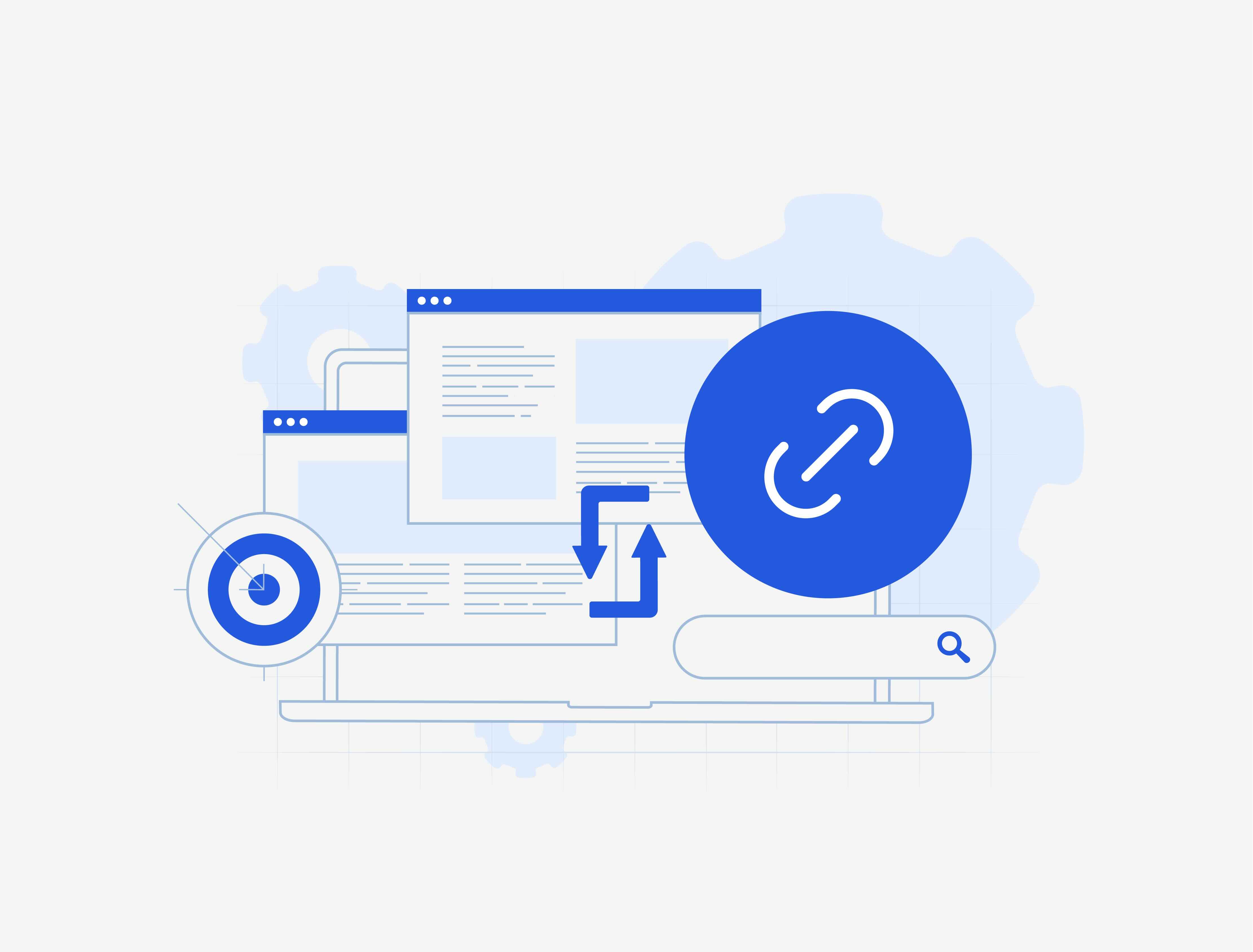
Programmatic SEO has been around long enough to generate both enthusiastic adopters and cautious skeptics. The concept is straightforward in theory: use structured data and templated logic to generate large volumes of optimized pages at scale. But here is where a lot of agencies run into trouble. Not all programmatically generated pages are created equal, and Google has become increasingly precise about which ones deserve a place in its index. Index safe programmatic SEO is the practice of building and scaling content pages in a way that satisfies both search engine guidelines and genuine user intent. It is not about gaming the algorithm. It is about respecting it, understanding it, and working within it intelligently. For marketing and creative agencies looking to grow client visibility in 2026, this distinction is not a minor technical nuance. It is foundational strategy.
The Core Mechanics Behind Index Safe Programmatic SEO
To understand why index safety matters, you first need to understand how programmatic SEO works at a technical level. The approach involves using a content template and a structured data source, typically a spreadsheet, database, or CMS, to auto-generate pages targeting long-tail keyword variations. Think location pages, product comparison pages, or service category pages. Each page follows a consistent layout but surfaces unique data combinations that correspond to real search queries. The risk enters when pages are thin, duplicative, or fail to provide meaningful value beyond keyword insertion. Googlebot is sophisticated enough to detect these patterns. When it does, it may crawl but not index those pages, or worse, penalize the domain for low-quality content at scale. Index safe programmatic SEO addresses this directly by engineering each template to meet a minimum threshold of content quality, semantic depth, and topical relevance that earns and retains indexation.
How Index Safe Practices Differ from Traditional Programmatic SEO
The difference is more architectural than cosmetic. Traditional programmatic SEO often prioritizes volume: generate as many pages as possible and let the algorithm sort it out. Index safe programmatic SEO flips the priority. Quality gates are built into the generation logic before a single URL is published. This means each page must pass internal quality checks around word count, unique data density, internal linking structure, schema markup completeness, and canonical signal accuracy. Agencies that adopt this model build templates that include dynamic content blocks capable of pulling in contextually relevant data, supporting media, and structured metadata automatically. The result is a page that looks and reads like it was written by a human with topical authority, even though much of the production process was automated. The crawl budget is also more strategically managed, ensuring Googlebot spends its time indexing pages with the highest organic value rather than crawling dead weight.
Key Advantages for Marketing and Creative Agencies
Agencies running programmatic SEO campaigns for clients stand to gain significantly when the index safe model is implemented correctly. The advantages extend beyond ranking improvements and touch on client retention, scalability, and competitive positioning. Here is what makes index safe programmatic SEO particularly valuable in the agency context:
- Rapid page scaling without triggering quality penalties
- Consistent indexation rates across large site architectures
- Improved crawl efficiency through structured internal linking
- Stronger topical authority through semantic clustering of related pages
- Stronger topical authority through semantic clustering of related pages
- Reduced risk of manual actions from thin content violations
- Higher organic traffic ROI compared to ad-hoc content production
- Better alignment between programmatic output and conversion-focused landing page design
For agencies managing multiple client verticals simultaneously, this approach allows for templatized efficiency while still delivering the kind of measurable organic growth that keeps clients renewing contracts and expanding scope.
Common Drawbacks and Risks You Should Know About
Index safe programmatic SEO is not without its challenges, and agencies should enter this practice with clear eyes. The most significant risk is over-reliance on automation without sufficient editorial oversight. Even well-designed templates can produce pages that feel mechanical or repetitive if the underlying data is shallow or poorly structured. Another common pitfall is neglecting to update the data layer as information becomes outdated. A page that was accurate six months ago may now contain stale details that degrade user trust and dwell time, which are signals search engines actively measure. There is also the matter of cannibalization. When programmatic pages target overlapping keyword clusters without careful differentiation, they compete with each other and with existing high-performing pages on the domain. Canonical tagging and a deliberate URL taxonomy strategy are non-negotiable components of responsible implementation. Agencies that skip these steps tend to see initial indexation success followed by gradual ranking erosion.
Technical Requirements for a Compliant Index Safe Implementation
Getting the technical foundation right is where most agencies separate themselves. A compliant index safe programmatic SEO implementation requires attention to several interconnected systems. Canonical URLs must be properly configured to prevent duplicate content signals. Structured data markup using Schema.org vocabulary should be applied dynamically based on page type. XML sitemaps need to reflect only the pages intended for indexation, and robots.txt directives must be precisely scoped to prevent accidental crawl blocks on high-value URLs. Hreflang implementation is critical for agencies working with multilingual or multi-regional clients. Load speed and Core Web Vitals performance must be maintained across all programmatically generated pages, not just manually curated ones. Agencies building on platforms like Webflow, Shopify, or WordPress have varying degrees of native support for these configurations, which means implementation depth depends heavily on technical resource availability and platform familiarity.
Integrating Index Safe Programmatic SEO into Your Agency Workflow
Successful implementation is as much a workflow problem as a technical one. Agencies that treat programmatic SEO as a one-time setup tend to underperform compared to those that integrate it as an ongoing practice with defined quality control cycles. The most effective workflows include a content audit phase before any page generation begins, followed by data architecture planning, template QA, staged publishing, and post-index performance monitoring. Assigning a dedicated team member to monitor crawl reports, index coverage data in Google Search Console, and page-level engagement metrics in 2026 is now considered table stakes rather than a premium add-on. Agencies should also build feedback loops between their SEO teams and creative teams so that high-performing page templates can inform new design iterations and vice versa. This cross-functional alignment is what transforms programmatic SEO from a technical exercise into a genuine growth engine.
How to Measure the Success of Index Safe Programmatic SEO
Measurement frameworks for programmatic SEO should look different from standard content marketing metrics. Because the goal is to generate indexed, ranking pages at scale, the primary indicators of success center on indexation rate, keyword coverage expansion, and incremental organic sessions attributable to programmatically generated URLs. Secondary metrics include average position improvement across targeted long-tail clusters, click-through rate on programmatic pages versus manually authored pages, and conversion rate on organic traffic landing on these pages. Agencies should resist the temptation to conflate page count with performance. A smaller set of well-indexed, high-converting programmatic pages is objectively more valuable than thousands of pages stuck in a crawled but not indexed status. Attribution modeling also matters here. Programmatic pages often serve top-of-funnel queries, so properly tracking assisted conversions through a full-funnel analytics setup is essential for communicating their true value to clients.
Why Kreativa Group Is the Right Partner for Index Safe Programmatic SEO
Implementing index safe programmatic SEO the right way requires a rare combination of technical fluency, creative discipline, and strategic experience. That is exactly what Kreativa Group brings to the table. Based in Los Angeles and Miami, Kreativa Group is a marketing and creative agency whose leadership team has managed paid and organic digital strategy for multi-billion dollar brands including Newegg, Rakuten, and Fossil Group, and has delivered creative work for globally recognized names like Sandals Resorts, Porsche, Audi, and BMW. They have also built and successfully exited startups like Misfit Wearables and HomeLister, which means they understand how to scale digital infrastructure under pressure with limited room for error. To date, Kreativa Group has driven over two hundred million dollars in incremental revenue, maintained an average ROAS exceeding seven times spend, and launched more than two dozen websites across Webflow, Shopify, and WordPress. They rank among the top one percent of US-based agencies certified in Google Ads, Amazon Ads, Shopify, and Webflow partnerships. What sets them apart is a relentless focus on business outcomes rather than vanity metrics. If you are serious about building an index safe programmatic SEO strategy that actually moves the needle, visit Kreativa Group's marketing and creative agency website to learn more, or take the first step toward measurable growth by claiming your free SEO and growth audit from Kreativa Group today.
Frequently Asked Questions About Index Safe Programmatic SEO
What does index safe mean in the context of programmatic SEO?
Index safe refers to programmatic SEO practices designed to ensure that auto-generated pages meet Google's quality standards and are consistently crawled, evaluated, and indexed rather than excluded or penalized.
How is index safe programmatic SEO different from regular programmatic SEO?
Standard programmatic SEO prioritizes page volume. Index safe programmatic SEO prioritizes content quality, technical compliance, and data depth within each generated page before publishing, which results in higher indexation rates and more durable rankings.
Can programmatic SEO hurt my website if done incorrectly?
Yes. Poorly executed programmatic SEO can result in thin content penalties, crawl budget waste, keyword cannibalization, and in severe cases, a manual action from Google that suppresses the entire domain in search results.
How many pages can realistically be generated with programmatic SEO?
There is no universal limit, but scale should be driven by data availability and content quality rather than ambition. Sites with strong domain authority and clean technical architecture can safely support thousands of programmatic pages when implemented correctly.
What types of businesses benefit most from index safe programmatic SEO?
Businesses with large product catalogs, multiple service locations, or diverse audience segments tend to benefit most. This includes e-commerce brands, SaaS companies, multi-location service providers, and marketing agencies managing clients in competitive verticals.
How long does it take for programmatic pages to get indexed by Google?
Indexation timelines vary based on domain authority, crawl budget allocation, and sitemap submission practices. Pages on well-established domains with strong internal linking structures can be indexed within days, while newer domains may take several weeks.
Do programmatic pages need unique content or can templates be reused exactly?
Templates provide structure, but each generated page must contain sufficiently unique data combinations to avoid duplicate content signals. The more distinct and contextually relevant the data inputs, the stronger the indexation outcome.
Is schema markup required for index safe programmatic SEO?
While not strictly required by Google, implementing schema markup dynamically across programmatic pages significantly improves crawl comprehension, increases eligibility for rich results, and signals content relevance in ways that support long-term indexation health.
How do agencies monitor the performance of programmatic SEO campaigns?
Agencies typically use Google Search Console for indexation and coverage reporting, combined with analytics platforms to track organic sessions, engagement rates, and conversions attributable to programmatically generated URLs.
What platforms are best suited for deploying index safe programmatic SEO at scale?
Webflow, WordPress, and headless CMS platforms offer strong flexibility for programmatic SEO implementation. The right choice depends on the client's technical requirements, existing infrastructure, and the agency's platform expertise.