Why Nonprofit Website Design Is More Strategic Than You Think
There is a common assumption that nonprofit websites just need to exist. A logo, a mission statement, a donation button, and that's supposedly enough. But in 2026, that approach is leaving serious impact on the table. A well-designed nonprofit website is not simply a digital brochure. It is a conversion ecosystem, a trust engine, and in many cases, the single most powerful fundraising tool an organization has. The difference between a nonprofit website that performs and one that merely exists comes down to intentional design, strategic architecture, and a deep understanding of how donors, volunteers, and community partners actually behave online. This article breaks all of that down in plain language while still giving you the technical depth you need to make smart decisions.
What Nonprofit Website Design Actually Means
Nonprofit website design refers to the process of planning, structuring, and visually building a digital platform that serves the unique communication and conversion goals of a mission-driven organization. Unlike e-commerce or SaaS design, nonprofit design must balance emotional resonance with functional clarity. It needs to communicate urgency without being manipulative, inspire generosity without being pushy, and establish credibility without coming across as corporate. The design process typically encompasses information architecture, UX and UI design, brand expression, donation flow optimization, accessibility compliance, and content strategy. Done right, it produces a site that makes every visitor feel like their involvement matters and that the organization is absolutely worth their trust and time.
How Nonprofit Website Design Works in Practice
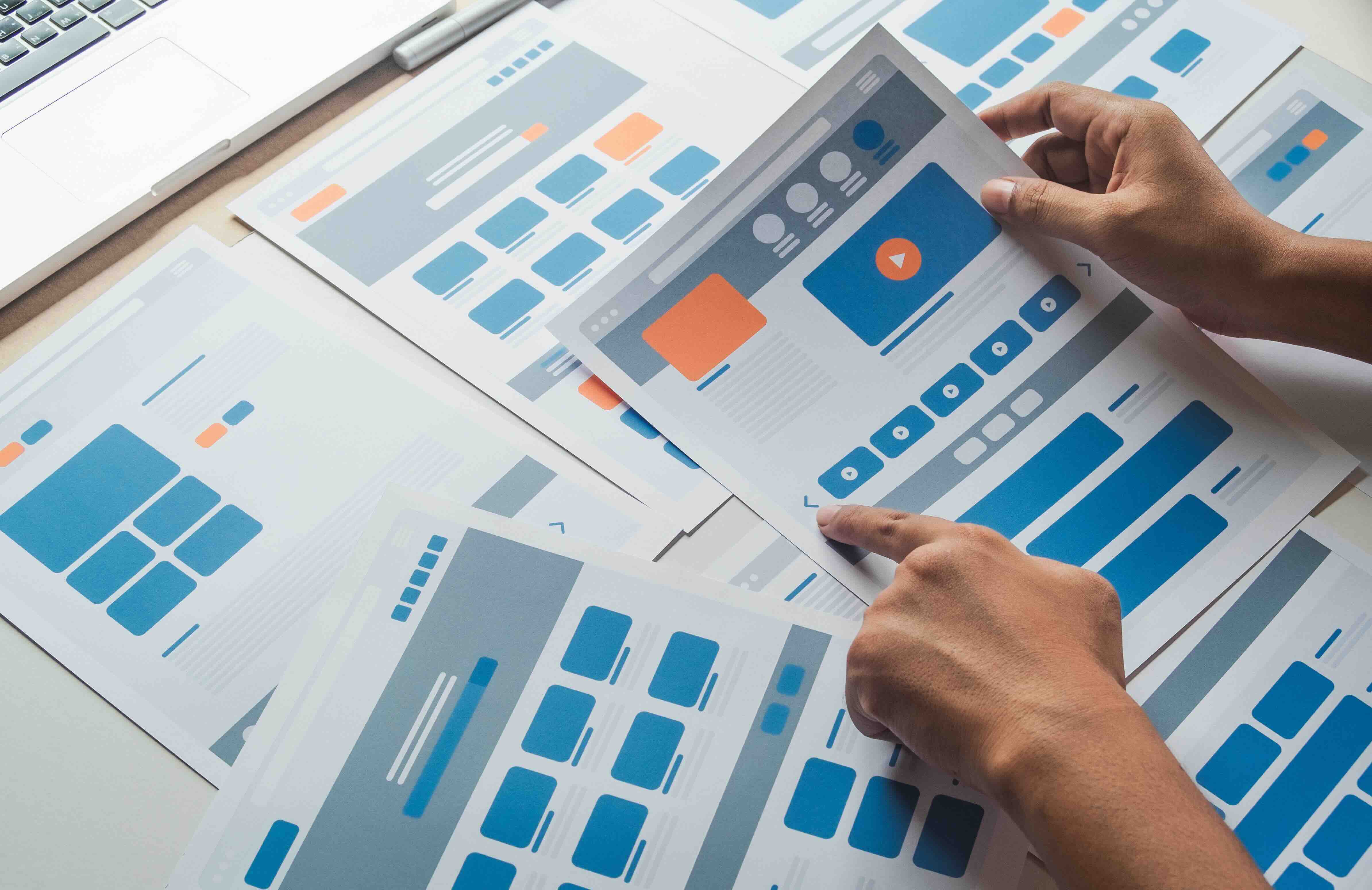
A thoughtful nonprofit web design project generally moves through several interconnected phases. It starts with discovery, where the agency or design team learns about the organization's goals, audiences, competitors, and existing digital performance. From there, the team develops a sitemap and content structure that prioritizes user intent, which for nonprofits typically means making donation pathways, volunteer sign-ups, and impact stories easy to find and act on. Wireframing and prototyping follow, establishing the layout logic before any visual design begins. Once the visual layer is applied, including typography, color, photography direction, and iconography, the site moves into development, where it is built on a CMS platform such as Webflow or WordPress. Throughout the build, the team integrates donation tools, CRM systems, email platforms, and analytics. Finally, quality assurance and launch, followed by ongoing optimization.
The Core Elements That Make Nonprofit Websites Convert
High-performing nonprofit websites share a handful of non-negotiable design and content components. These are not nice-to-haves. They are the structural difference between a site that raises funds and one that barely gets noticed.
- A compelling above-the-fold hero section that communicates mission, emotional weight, and a clear call to action within the first three seconds
- A streamlined donation flow with minimal friction, multiple giving tiers, and the option for recurring donations
- Impact-focused storytelling that leads with outcomes, not organizational history
- Social proof elements including testimonials, partner logos, press mentions, and impact statistics
- Mobile-first design, since a large portion of nonprofit traffic comes from social media referrals on mobile devices
- ADA accessibility compliance to ensure the site serves all users, including those with disabilities
- Fast page load speeds, ideally under two seconds, which directly affects both user experience and SEO rankings
Each of these elements contributes to what UX professionals call the trust-to-action pipeline, which is the path a visitor takes from initial skepticism to motivated giving or engagement.
Key Advantages of Investing in Professional Nonprofit Website Design
Organizations that invest in professional nonprofit website design tend to see measurable gains across several areas. Donor conversion rates improve when the giving experience is intuitive and emotionally engaging. Search visibility increases when the site is built with clean code, proper heading hierarchy, schema markup, and content optimized for relevant queries. Volunteer recruitment becomes more efficient when the sign-up process is clear and the value proposition is compelling. And brand perception, which directly influences grant eligibility and major donor interest, gets a significant lift when the site looks credible and modern. There is also an internal benefit. Staff spend less time chasing down information requests or managing broken site functionality when the CMS is properly structured and the site is built to scale. Professional design is not an expense. It is leverage.
Common Drawbacks and Pitfalls to Watch For
Even well-intentioned nonprofit website projects can go sideways. One of the most common mistakes is prioritizing aesthetics over conversion architecture, which produces a beautiful site that does not actually drive donations or engagement. Another frequent issue is over-relying on stock photography, which signals inauthenticity to donors who are increasingly savvy about where their money goes. Poor platform selection is also a recurring problem. Choosing a CMS that the internal team cannot actually manage leads to a site that stagnates quickly. Accessibility oversights are both a legal risk and a reputational one. And finally, many nonprofits launch without establishing a post-launch content and SEO strategy, which means the site loses momentum within months. The design is only half the equation. How the site is maintained and evolved over time determines its long-term performance.
Choosing the Right Platform for Your Nonprofit Website
Platform selection is one of the most consequential decisions in any nonprofit web project. WordPress remains a popular choice because of its extensive plugin ecosystem and flexibility, though it requires more maintenance and security attention. Webflow has emerged as a strong contender in 2026 because it offers powerful design capabilities, clean code output, built-in CMS functionality, and excellent performance benchmarks, all without requiring developers for routine content updates. Squarespace and Wix are accessible for very small organizations with limited budgets, but they carry limitations around customization and integration depth. For nonprofits with significant fundraising infrastructure, platforms that integrate cleanly with tools like Salesforce Nonprofit Success Pack, Classy, or Donorbox are worth prioritizing. The right platform is the one that your team can actually use and that supports your specific growth goals.
SEO and Nonprofit Website Design: They Are Not Separate Conversations
Search engine optimization and website design are frequently treated as separate workstreams, and that disconnect is costly. In reality, SEO must be baked into the design process from the beginning. This means structuring heading hierarchies correctly, writing metadata that reflects how donors and volunteers actually search, implementing schema markup for nonprofit organizations, ensuring proper canonical tagging, and building internal linking structures that guide both users and search crawlers through the site's most important content. Page experience signals including Core Web Vitals, mobile usability, and HTTPS security are all ranking factors that live at the intersection of design and technical SEO. Nonprofits that approach the website as both a design asset and an organic search asset consistently outperform those that treat SEO as an afterthought bolted on after launch.
Why Kreativa Group Is the Right Partner for Your Nonprofit Website
If your organization is ready to move beyond a website that simply exists and toward one that actively drives donations, volunteer engagement, and community trust, Kreativa Group is worth a serious look. Based in Los Angeles and Miami, Kreativa Group is a marketing and creative agency whose leadership team has designed websites and digital platforms for global brands including Sandals Resorts, Porsche, Audi, and BMW, as well as worked with world-class agencies like Young and Rubicam. They have also navigated the scrappier side of growth, having worked at startups like Misfit Wearables and HomeLister and successfully exiting them. To date, the team has driven over 200 million dollars in incremental revenue, averaged over 7x ROAS, maintained a 4 percent conversion rate benchmark, and launched more than two dozen websites across Webflow, Shopify, and WordPress. Kreativa Group is among the top one percent of US-based agencies holding simultaneous Google Ads, Amazon Ads, Shopify, and Webflow Partner certifications. What sets them apart is their focus on business outcomes, not vanity metrics. You can explore their work and philosophy directly at Kreativa Group's website, or take the first step toward a more strategic digital presence by claiming your free nonprofit website growth audit.
Frequently Asked Questions About Nonprofit Website Design
What makes nonprofit website design different from standard website design?
Nonprofit website design prioritizes mission communication, donor trust, and conversion pathways for giving and volunteering, whereas standard commercial design focuses primarily on product sales or lead generation. The emotional and persuasive architecture is fundamentally different, and the metrics of success are defined by engagement, donations, and community impact rather than direct revenue alone.
How much does it cost to design a nonprofit website professionally?
Professional nonprofit website design typically ranges from approximately five thousand dollars on the lower end for smaller organizations to fifty thousand dollars or more for complex, multi-audience platforms with deep integrations. The investment scales based on scope, platform, content volume, and integration requirements. Budget ranges vary significantly by agency tier and project complexity.
How long does it take to build a nonprofit website?
A professionally designed nonprofit website generally takes between six and sixteen weeks from discovery to launch, depending on the scope of the project, the speed of content delivery from the organization, and the number of revision cycles. Larger sites with CRM integrations and custom functionality take longer.
What CMS platform is best for a nonprofit website?
Webflow and WordPress are both strong choices for nonprofit websites in 2026. Webflow is ideal for organizations that want design flexibility, fast performance, and easy content management without heavy developer dependence. WordPress suits organizations with existing plugin ecosystems or specific integration requirements. The best platform depends on your team's technical capacity and your site's functional demands.
Does a nonprofit website need to be ADA accessible?
Yes. ADA accessibility compliance is both a legal requirement and an ethical obligation for nonprofit organizations. Accessibility best practices include sufficient color contrast ratios, keyboard navigability, screen reader compatibility, descriptive alt text for images, and properly structured heading hierarchies. Non-compliance carries legal risk and limits your organization's reach.
How does website design affect online donations?
Website design directly influences donation conversion rates. Simplified donation flows, emotionally resonant storytelling, clear calls to action, fast page load speeds, and mobile-optimized layouts all reduce friction and increase the likelihood that a visitor completes a gift. Poor UX in the giving experience is one of the primary reasons donors abandon the process before completing a transaction.
Should nonprofits invest in SEO alongside website design?
Absolutely. SEO and design should be developed in parallel, not sequentially. Technical SEO elements including metadata, heading structure, Core Web Vitals performance, schema markup, and internal linking must be incorporated during the build phase to maximize organic visibility. Treating SEO as a post-launch addition significantly reduces its effectiveness and increases remediation costs.
What should be on a nonprofit website homepage?
A nonprofit homepage should lead with a clear, emotionally compelling mission statement, a prominent donation call to action, evidence of impact through statistics or stories, navigation that makes key audience pathways immediately obvious, and trust signals such as partner logos, certifications, or press coverage. The homepage should answer the question of why a visitor should care within the first few seconds of arrival.
How often should a nonprofit website be redesigned?
Most nonprofit websites benefit from a significant redesign every three to five years, with ongoing iterative updates in between. Signs that a redesign is overdue include declining engagement metrics, poor mobile experience, outdated branding, a CMS that the team struggles to use, or a donation conversion rate that is consistently underperforming benchmarks for similarly sized organizations.
Can a small nonprofit afford a professionally designed website?
Yes. Many agencies, including those that specialize in nonprofit clients, offer tiered engagement models, phased project approaches, or retainer structures that make professional design accessible at smaller budget levels. There are also platform options like Webflow that reduce long-term maintenance costs, which can offset initial design investment. The more relevant question is what the cost of not having an effective website is in terms of missed donations and lost credibility.