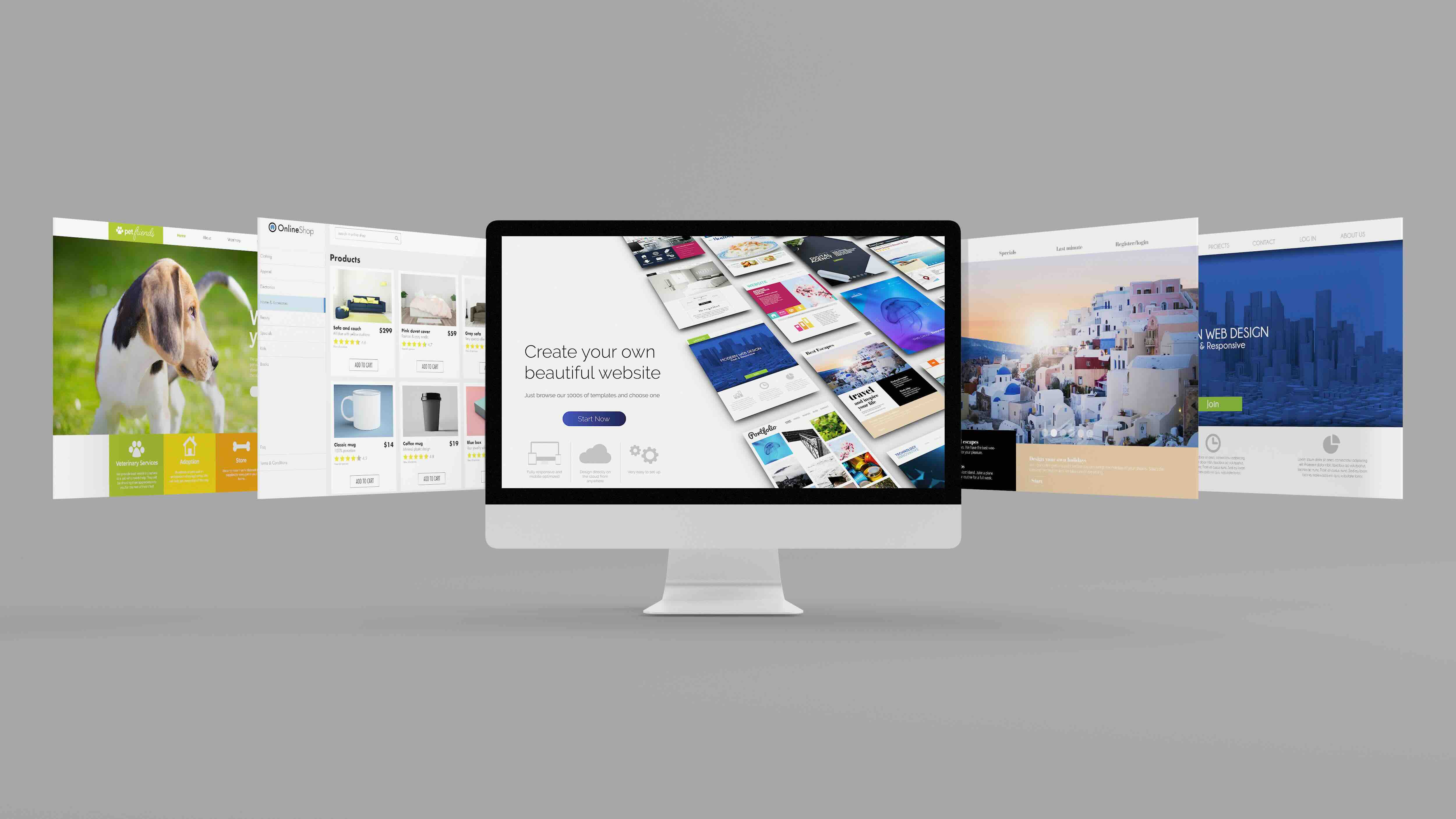
What Is Portfolio Website Design and Why Does It Matter for Your Business
Portfolio website design refers to the strategic creation and visual presentation of a digital space where a business, agency, or creative professional showcases their past work, capabilities, and brand identity. It goes well beyond aesthetics. A portfolio website functions as a high-converting sales asset, a trust-building mechanism, and often the first meaningful touchpoint a prospective client has with your organization. For marketing and creative agencies, it is not simply a gallery of pretty images. It is a curated argument for why a client should choose you over everyone else. In 2026, where buyers conduct extensive research before ever reaching out to a vendor, the quality and strategy behind your portfolio website can be the difference between a warm lead and a missed opportunity.
How Portfolio Website Design Actually Works
At its core, portfolio website design involves several interconnected disciplines working in concert: UX strategy, visual design, content architecture, brand storytelling, and technical development. A well-designed portfolio site typically begins with a discovery phase where the agency or designer defines the target audience, competitive positioning, and the primary conversion goals of the site. From there, wireframes and information architecture are developed to map out how users will navigate the experience. Visual design layers are then applied, informed by brand guidelines, color psychology, and layout principles. Finally, the site is developed on a platform, be it Webflow, WordPress, or a custom-built solution, with performance optimization, responsive design, and accessibility standards baked in from the ground up. Each layer of the process is deliberate. Nothing in a well-executed portfolio site is accidental.
The Strategic Role of Portfolio Design in B2B Client Acquisition
For agencies and creative businesses operating in a B2B environment, the portfolio website is not just a showcase. It is a primary driver of qualified lead generation. Decision-makers and procurement teams evaluating vendors almost always review an agency's portfolio before initiating contact. The design of that portfolio communicates competence, style sensibility, attention to detail, and cultural alignment, often before a single word of copy is read. Strategic portfolio design incorporates elements like case study architecture, measurable results callouts, client logo displays, and testimonial integration to move visitors through the buyer journey efficiently. It is also worth noting that B2B buyers in the creative services industry tend to have a higher design literacy than the average web visitor, which means the bar for what looks credible and polished is considerably higher.
Key Advantages of Investing in Professional Portfolio Website Design
The benefits of a strategically designed portfolio website extend across several dimensions of business performance. Here is a breakdown of the most impactful advantages agencies and creative businesses can expect when they invest in professional portfolio design.
- Stronger first impressions that reduce sales cycle friction
- Higher credibility and perceived authority in competitive pitches
- Improved organic search visibility through SEO-optimized case study content
- Better alignment between brand identity and the quality of work being sold
- Increased conversion rates from inbound traffic due to clearer calls to action
- Enhanced client retention through a polished professional presence
Each of these advantages compounds over time. A portfolio website that performs well in search and converts visitors at a higher rate delivers a sustainable return on investment that outperforms most short-term marketing tactics. For agencies billing at competitive rates, even a marginal improvement in inbound lead quality can translate into significant revenue gains over the course of a year.
Common Drawbacks and Challenges to Be Aware Of
No investment is without its trade-offs, and portfolio website design is no exception. One of the most frequently cited challenges is the time commitment involved in producing high-quality case study content. Agencies often have the work but lack the documented results, process photography, or client approval needed to present it publicly. Another common drawback is scope creep during the design and development phase, particularly when internal stakeholders have conflicting opinions about direction or prioritization. There is also the ongoing maintenance burden. A portfolio site that looks outdated or reflects work from several years ago can actually damage credibility rather than build it. Finally, for smaller agencies operating with lean teams, the resource allocation required to build a truly strategic portfolio site can feel prohibitive, especially when client work is competing for the same bandwidth.
What Separates a Good Portfolio Website from a Great One
The distinction between a serviceable portfolio website and one that genuinely drives business outcomes comes down to intentionality. Great portfolio websites are built around a defined conversion strategy, not just visual preference. They use progressive disclosure to guide visitors from surface-level intrigue to deeper engagement, pulling them further into case studies, service pages, and ultimately toward a contact action. Typography, white space, load speed, and micro-interactions are all considered and calibrated. The narrative structure of case studies follows a problem-solution-result framework that speaks directly to the business concerns of a prospective client, not just the creative process of the team that executed the work. Strong portfolio sites also demonstrate range without creating confusion, which is a delicate balance that requires experienced editorial judgment to achieve.
SEO and Technical Considerations for Portfolio Website Design
From a search engine optimization standpoint, portfolio websites present both opportunities and challenges. On the opportunity side, long-form case study content can target highly specific, intent-rich search queries that decision-makers use when evaluating agency partners. Structured data markup, schema implementation for services and reviews, and a clean site architecture all contribute to stronger indexing and visibility. On the challenge side, portfolio sites are often image-heavy, which can negatively impact Core Web Vitals scores if images are not properly compressed, lazy-loaded, and served in next-generation formats. In 2026, page experience signals remain a critical ranking factor, making technical SEO hygiene non-negotiable for any portfolio site that wants to compete in organic search. Additionally, ensuring that case study pages are individually optimized with unique title tags, meta descriptions, and keyword-targeted headings will significantly improve the site's overall search footprint.
Practical Tips for Getting Your Portfolio Website Design Right
Whether you are building a portfolio website from scratch or revisiting an existing one, these practical considerations will help ensure the outcome aligns with your business goals.
- Lead with outcomes, not just process. Clients care about results, so quantify the impact of your work wherever possible.
- Prioritize mobile experience. A significant percentage of B2B research still happens on mobile devices, and a portfolio that degrades on smaller screens signals poor attention to detail.
- Limit the number of portfolio pieces shown. Curating your best ten to fifteen projects is far more effective than displaying everything you have ever produced.
- Keep case study content structured and scannable. Use headers, callout statistics, and visual breaks to accommodate fast-moving decision-makers.
- Build in a clear conversion path. Every page of your portfolio should have a logical next step for the visitor to take, whether that is exploring more work, reading about services, or initiating contact.
- Update the portfolio regularly. Stale work is almost as damaging as no portfolio at all.
These are not arbitrary rules. They are derived from observed patterns in how B2B buyers engage with agency websites and what causes them to either convert or disengage. Applying even a handful of these principles consistently will produce measurable improvements in site engagement and lead quality.
Why Kreativa Group Is the Right Partner for Your Portfolio Website Design
If you are serious about building a portfolio website that does real work for your business, the agency you choose to partner with matters enormously. Kreativa Group is a marketing and creative agency with offices in Los Angeles and Miami, and a track record that speaks directly to what makes portfolio design effective at a business level. Their leadership team has designed websites and digital experiences for global brands including Sandals Resorts, Porsche, Audi, and BMW, as well as world-class ad agencies like Young and Rubicam. They have also brought that same level of executional excellence to high-growth startups like Misfit Wearables and HomeLister, successfully navigating those businesses to exit. To date, Kreativa Group has launched over two dozen websites across Webflow, Shopify, and WordPress, and sits among the top one percent of all US-based agencies certified in Google Ads, Amazon Ads, Shopify, and Webflow. What makes them distinct is their orientation around business outcomes rather than vanity metrics. They are not building portfolio websites to win design awards. They are building them to generate qualified pipeline and support revenue growth. If you are ready to explore what a strategically designed portfolio website could do for your agency or creative business, visiting the Kreativa Group marketing and creative agency website is a strong first step. And if you want a clearer picture of where your current digital presence stands, you can request a free digital growth audit for your business to get a data-informed starting point with no obligation attached.
Frequently Asked Questions About Portfolio Website Design
What is the primary purpose of a portfolio website for a creative agency?
The primary purpose of a portfolio website for a creative agency is to demonstrate competence, build credibility, and convert prospective clients into qualified leads. It functions as a curated sales asset that communicates the agency's capabilities, style, and results before any direct conversation takes place.
How long does it typically take to design and launch a portfolio website?
A professionally designed portfolio website generally takes between six and sixteen weeks from discovery to launch, depending on the complexity of the project, the number of case studies being developed, and the level of custom development required. Rushed timelines often compromise quality and strategic depth.
Which platform is best for building a portfolio website in 2026?
Webflow is widely regarded as the leading platform for portfolio website design in 2026 due to its design flexibility, clean code output, and built-in CMS capabilities. WordPress remains a strong alternative for content-heavy sites, while Shopify is more suited to e-commerce-integrated creative businesses.
How many projects should a creative agency feature in its portfolio?
Most agencies benefit from featuring between ten and fifteen carefully selected projects rather than displaying their entire body of work. Quality and strategic relevance matter far more than volume. Each featured project should reflect the type of client and work the agency most wants to attract going forward.
Does portfolio website design impact SEO performance?
Yes, significantly. Well-structured case study pages, keyword-optimized service descriptions, schema markup, and strong Core Web Vitals scores all contribute to improved organic search visibility. A portfolio site that neglects technical SEO will struggle to compete for the high-intent queries that drive inbound lead generation.
What content should every portfolio website include?
A high-performing portfolio website should include a compelling homepage that clearly communicates who you serve and what outcomes you deliver, individual case study pages with measurable results, a services or capabilities section, client testimonials or social proof, and a clear contact or intake form with a defined call to action.
How often should a portfolio website be updated?
Portfolio websites should be reviewed and updated at minimum every six months. Adding new case studies as projects are completed, refreshing service descriptions to reflect evolving capabilities, and auditing site performance metrics on a quarterly basis are all considered best practices for keeping a portfolio site current and competitive.
What is the difference between a portfolio website and a regular agency website?
While all portfolio websites are agency websites, not all agency websites are true portfolio sites. A portfolio website places primary emphasis on showcasing past work through detailed case studies, whereas a general agency website may prioritize service descriptions, thought leadership content, or lead generation forms. The best agency websites integrate both approaches cohesively.
How do I measure whether my portfolio website is performing well?
Key performance indicators for a portfolio website include organic search traffic, time on page for case study content, bounce rate, contact form submission rate, and the quality of inbound inquiries generated. Conversion rate from organic and direct traffic channels is typically the most meaningful indicator of strategic performance.
Can a poorly designed portfolio website hurt my agency's business?
Absolutely. A portfolio website that looks outdated, loads slowly, lacks structure, or fails to clearly communicate value can actively erode trust with prospective clients. In a competitive agency landscape, decision-makers use the quality of your own website as a direct proxy for the quality of work they can expect you to deliver for them.