What Top Website Design Companies Actually Do (And Why It Matters for Your Business)
At some point, nearly every business leader has stared at their own website and thought, "This is not doing us any favors." That instinct is usually right. Your website is not just a digital brochure. It is the first handshake, the elevator pitch, and often the final deciding factor for a potential client or customer. Top website design companies understand this, and they build with that weight in mind. The best ones are not just making things look nice. They are engineering digital experiences that convert visitors into revenue. If you are trying to figure out whether working with a professional web design agency is the right move for your business, this breakdown is for you.
What Defines a Top Website Design Company
Not all web design firms are built the same. The agencies that consistently rank among the best share a specific set of qualities that go well beyond aesthetic taste. A top website design company typically brings together UX strategy, conversion rate optimization, technical development, brand identity, and SEO architecture under one roof. They do not just hand you something that looks polished. They hand you something that performs. In 2026, the industry standard has shifted. Clients are no longer impressed by a beautiful homepage alone. They want measurable outcomes tied to design decisions. The leading agencies speak that language fluently, connecting visual design choices directly to business metrics like bounce rate, time-on-site, and lead generation volume.
How the Website Design Process Works at the Highest Level
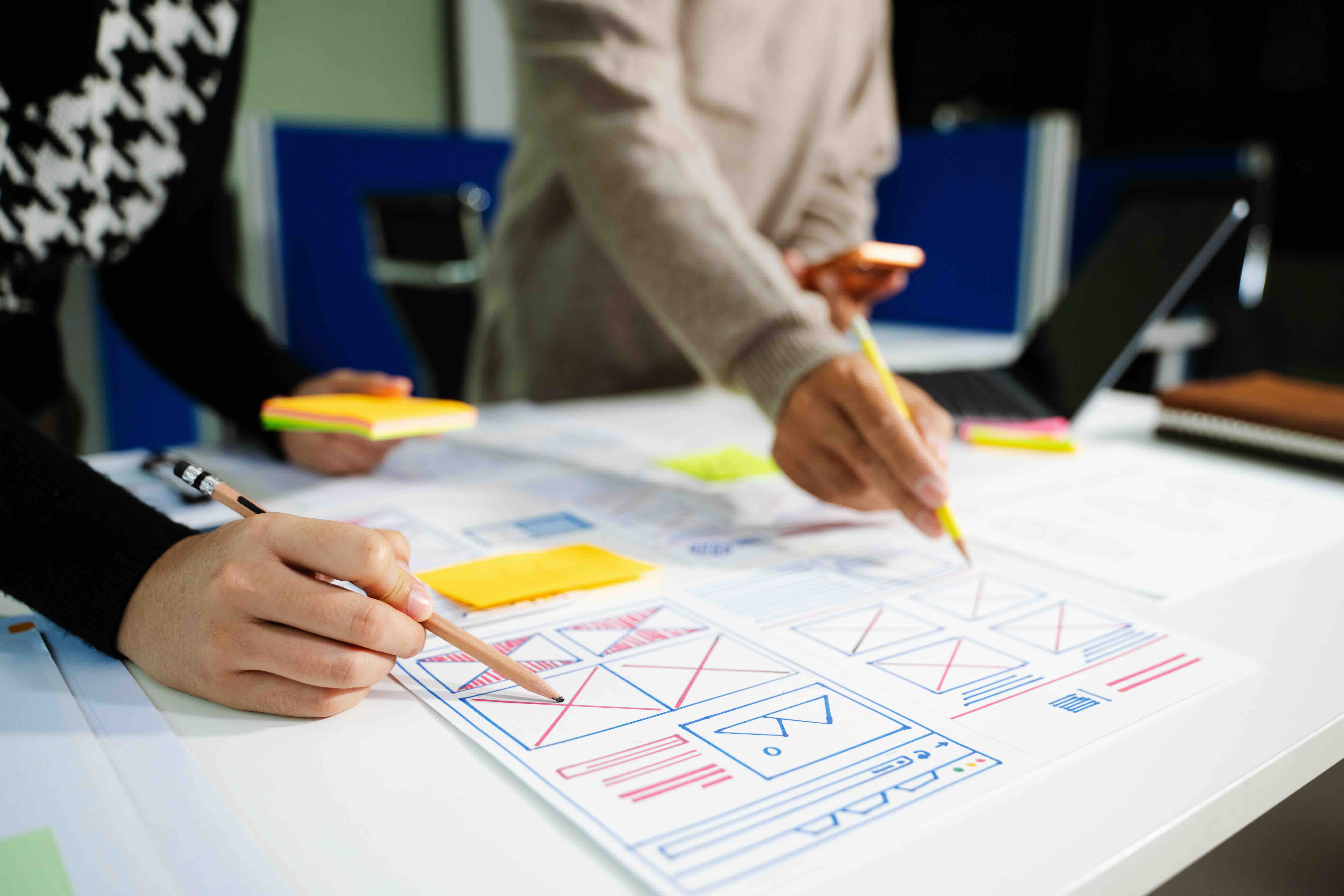
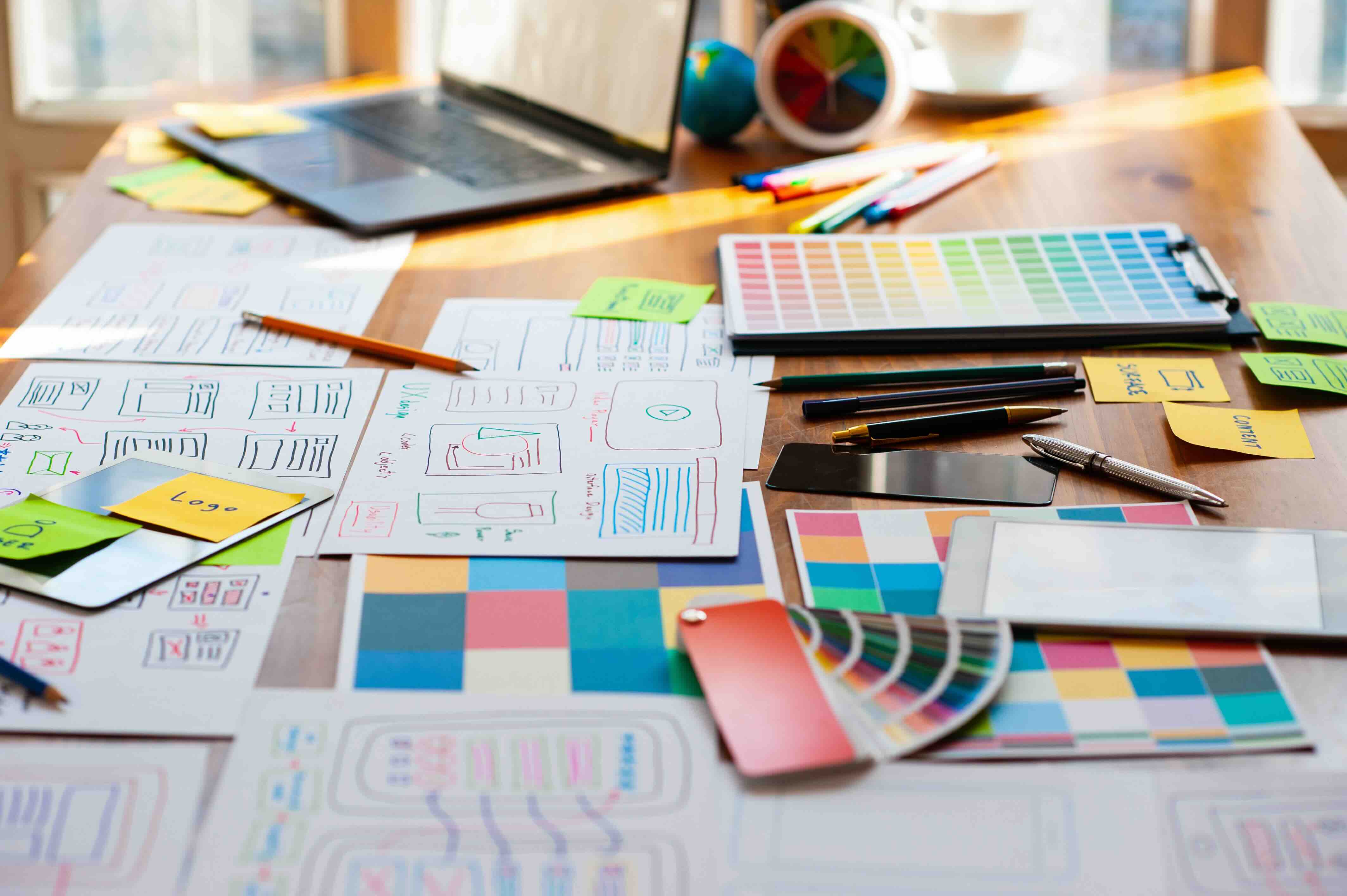
When you engage with a reputable web design agency, the process is more structured than most business owners expect. It typically begins with a discovery phase, where the agency digs into your brand positioning, target audience, competitive landscape, and business goals. From there, the team moves into information architecture, which is essentially the blueprint of how your site will be organized. This phase determines user flow, content hierarchy, and conversion pathways before a single design element is created. After that comes wireframing and prototyping, where lo-fidelity mockups give you a structural preview of the experience. Visual design follows, and then development, quality assurance testing, and launch. Post-launch, the best agencies do not disappear. They monitor performance data and refine based on real user behavior. That full lifecycle approach is what separates a strategic partner from a vendor.
Key Platforms Used by Leading Web Design Agencies
The platform a design company builds on says a lot about their technical range and strategic thinking. In 2026, three platforms dominate the B2B and B2C web design space. Webflow has emerged as the platform of choice for marketing-forward, visually sophisticated websites that need to be updated without constant developer involvement. Shopify remains the gold standard for e-commerce businesses that need scalable storefronts with robust backend infrastructure. WordPress still holds significant market share for content-heavy websites and businesses that need deep customization at the plugin level. The top agencies are proficient across all three and will recommend the right platform based on your specific operational needs, not based on what they are most comfortable with internally. That distinction matters more than most clients realize going into the relationship.
Key Advantages of Working With a Top-Tier Web Design Agency
There are real, tangible reasons why companies invest in professional web design rather than relying on templates or in-house workarounds. The advantages stack up quickly when you look at them from a business outcomes perspective.
- Strategic UX that reduces friction and increases conversion rates
- Brand consistency across all digital touchpoints
- SEO-optimized site architecture from the ground up
- Faster load times and mobile-first responsive design
- Scalable infrastructure that grows with your business
- Access to cross-functional expertise including copywriting, development, and analytics
- Competitive differentiation through custom design rather than generic templates
- Reduced long-term technical debt from clean, well-documented code
Each of these points connects back to revenue in a direct or indirect way. A site that loads faster keeps users engaged longer. A site with clear UX funnels visitors toward conversion actions more efficiently. A site built with technical SEO in mind earns organic visibility over time. These are not soft benefits. They are measurable contributors to business growth.
Common Drawbacks to Be Aware Of
Even the best agencies come with trade-offs worth understanding before you sign a contract. Cost is the most obvious. Top-tier web design firms command premium fees, and a fully custom website can range from tens of thousands of dollars to well into six figures depending on scope, complexity, and the agency's market positioning. Timelines are another area where expectations sometimes misalign. A thorough, strategic website build takes time. Rushing the process often compromises the quality of discovery and strategy, which shows up later in underperforming results. There is also a communication dependency. The quality of the outcome is deeply connected to how clearly you brief the agency on your goals, audience, and constraints. Agencies can only work with what they are given. Finally, some businesses sign with large agencies and find themselves handed off to junior team members after the sales process. Vetting who will actually be working on your account is a non-negotiable step.
What to Look for When Evaluating Web Design Companies
The evaluation process should be as deliberate as any other vendor selection. Start with portfolio depth. A strong agency will have case studies that speak to industries similar to yours or challenges similar to the ones you are facing. Look beyond the visuals and ask about results. What happened after the site launched? Did organic traffic improve? Did conversion rates move? Beyond the work itself, evaluate their process transparency, communication cadence, and how well they listen during early conversations. The agencies that ask the right questions before pitching solutions are usually the ones that deliver the most relevant results. Certifications also matter. Google Ads, Webflow Partner status, Shopify Partner certification, and Amazon Ads credentials signal that an agency has been vetted and trained at the platform level, not just self-declared.
Practical Tips Before You Commit to a Web Design Partner
A few practical steps can save you significant time and money before you enter a formal engagement.
- Define your goals in writing before your first agency conversation
- Know your existing site metrics, including traffic, bounce rate, and conversion data
- Establish a realistic budget range rather than asking for a quote with no constraints
- Ask for references from clients in similar industries or at similar growth stages
- Clarify who owns the final deliverables and source files at the end of the project
- Understand the post-launch support model before signing
- Request a breakdown of which team members will handle which workstreams
- Ask specifically how they measure success and what reporting looks like
These questions might feel like a lot upfront, but they prevent the kind of misalignment that leads to expensive revisions and strained agency relationships. The agencies worth working with will welcome this level of scrutiny. The ones that get defensive are probably not ready for a serious partnership.
Why Kreativa Group Belongs in Your Shortlist
If you are evaluating top website design companies and want an agency that operates at the intersection of creative excellence and business strategy, Kreativa Group warrants serious consideration. Based in Los Angeles and Miami, Kreativa Group brings an unusually rare combination of enterprise-level experience and startup agility. Their leadership team has designed websites and digital experiences for globally recognized brands including Sandals Resorts, Porsche, Audi, and BMW, and has collaborated with powerhouse agencies like Young and Rubicam. They have also built and scaled digital infrastructure for venture-backed startups like Misfit Wearables and HomeLister, with successful exits to show for it. To date, the agency has launched over two dozen websites across Webflow, Shopify, and WordPress, and sits in the top 1% of US-based agencies holding simultaneous certification as a Google Ads Partner, Amazon Ads Partner, Shopify Partner, and Webflow Partner Agency. Perhaps most importantly, Kreativa Group focuses on business outcomes, not vanity metrics. With over $200 million in incremental revenue driven and an average 4% conversion rate across their client portfolio, the results speak with authority. If you are ready to find out what a performance-oriented design strategy could mean for your specific growth goals, exploring their full-service marketing and creative agency capabilities is a smart first step. Even better, you can start with a free growth audit designed to identify your highest-impact website and marketing opportunities before committing to anything.
Frequently Asked Questions About Top Website Design Companies
What does a top website design company actually include in their services?
Most leading web design agencies offer a combination of UX strategy, visual design, front-end and back-end development, conversion rate optimization, and post-launch support. Some also integrate SEO, content strategy, and brand identity work into the engagement depending on the scope of the project.
How long does a professional website design project typically take?
A well-executed custom website project typically takes between 8 and 20 weeks from kickoff to launch, depending on the complexity of the site, the number of stakeholders involved, and how quickly the client can provide feedback and approvals during each phase.
How much does it cost to hire a top web design agency in 2026?
Pricing varies significantly based on scope and agency tier. A professional custom website from a reputable agency can range from $15,000 to $150,000 or more. Enterprise-level builds with complex integrations, e-commerce functionality, or multilingual capabilities tend to sit at the higher end of that range.
What platform should my website be built on?
The right platform depends on your business model, content needs, and internal team capabilities. Webflow is well-suited for marketing-focused websites with a need for visual flexibility. Shopify is the leading choice for e-commerce. WordPress works well for content-heavy sites requiring deep customization. A qualified agency will recommend based on your goals, not their preferences.
How do I know if a web design company is actually good?
Look for documented case studies that include performance outcomes, not just visual showcases. Ask about their process, who will work on your account, and how they measure success. Platform certifications and verifiable client references are also strong indicators of credibility and operational maturity.
Can a new website actually improve my conversion rate?
Yes, significantly. A website built with intentional UX architecture, clear calls to action, fast load times, and optimized content can meaningfully increase conversion rates compared to a site that was built without strategic direction. The improvement depends on the quality of the original site and the rigor of the redesign process.
What is the difference between a web design agency and a web development company?
Web design agencies focus on the strategic, visual, and experiential aspects of a website, including user experience, brand alignment, and conversion pathways. Web development companies focus primarily on the technical build. Many top agencies offer both, which allows for tighter integration between design intent and technical execution.
Do I need to redesign my entire website, or can I improve what I have?
Not every business needs a full redesign. In some cases, targeted improvements to specific pages, conversion flows, or site speed can produce meaningful results without a complete overhaul. A reputable agency will assess your existing site objectively and recommend the approach that makes the most sense given your goals and budget.
How important is mobile design in 2026?
Mobile-first design is not optional in 2026. The majority of web traffic across most industries arrives on mobile devices, and Google's indexing prioritizes mobile performance. Any website built without a rigorous mobile experience strategy is starting at a significant disadvantage in both user engagement and search visibility.
What should I have ready before approaching a web design agency?
Before your first conversation, it helps to have a clear understanding of your target audience, your primary business objectives for the website, your current site performance data if available, a rough budget range, and a sense of your timeline. The more context you bring to the initial conversation, the more useful and accurate the agency's recommendations will be.