Web Design Agency vs Freelancer: Which One Is Actually Right for Your Business?
Here is a decision that quietly trips up a lot of business owners: you need a new website, or maybe a full redesign, and you have two seemingly straightforward options in front of you. Hire a web design agency, or work with a freelancer. Both can build a website. Both have their place. But the differences between the two run deeper than pricing, and making the wrong call can cost you time, money, and momentum you cannot always get back. This guide breaks down what each option actually involves, how each model operates, and what you should genuinely weigh before committing either way.
Understanding the Two Models: What You Are Actually Choosing Between
A web design agency is a structured team, typically comprised of strategists, UX/UI designers, developers, copywriters, project managers, and sometimes SEO specialists, all operating under one roof or within a coordinated workflow. When you engage an agency, you are not just hiring someone to push pixels around. You are accessing a layered production process with defined handoffs, accountability structures, and often a dedicated account manager who keeps things moving. A freelancer, on the other hand, is a single independent professional who typically handles most or all of the project themselves. They might specialize in design, development, or both, but they are essentially a one-person operation. Neither model is inherently superior. The better question is which one aligns with your specific scope, timeline, and business goals.
How the Web Design Agency Model Works
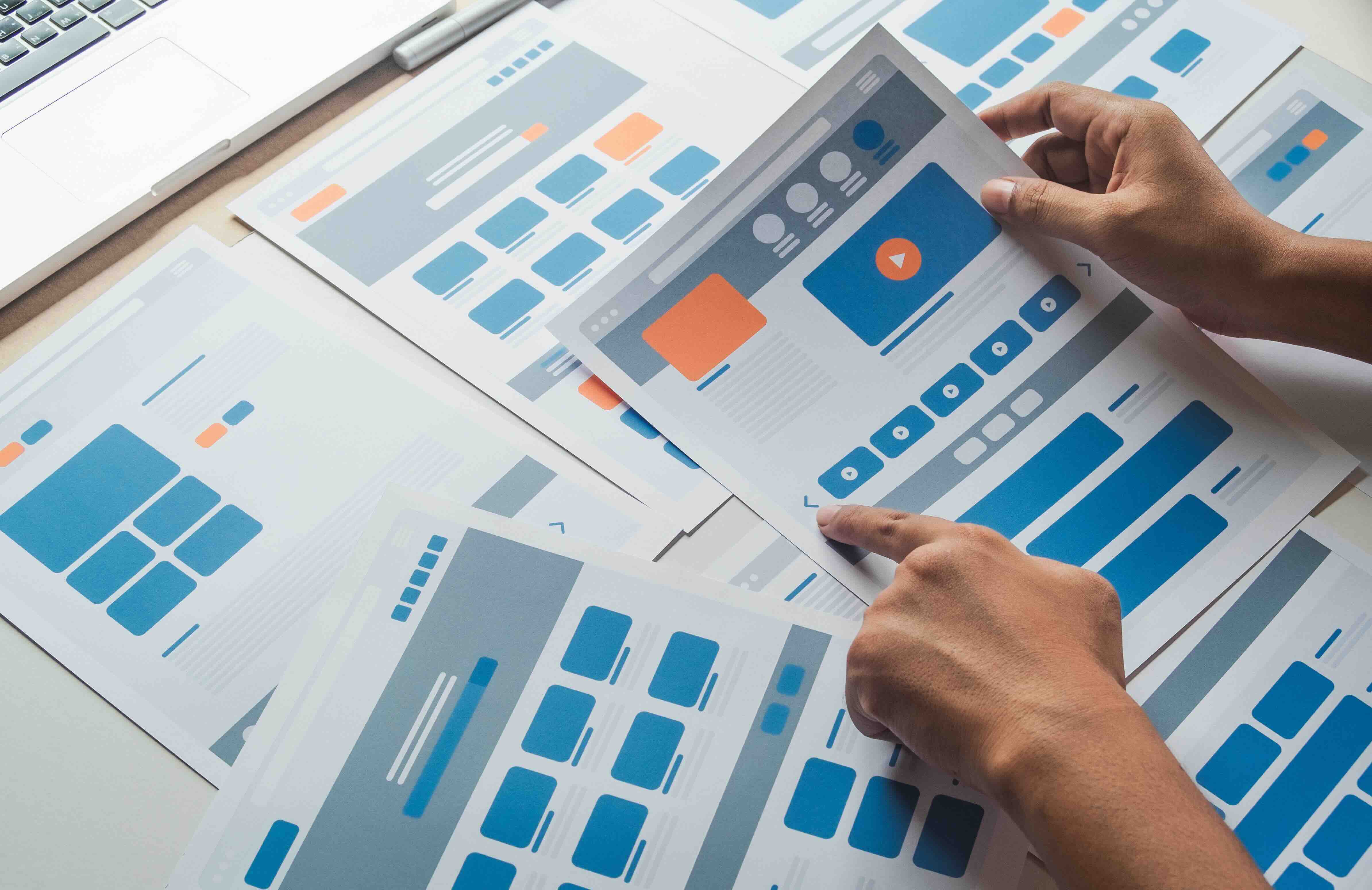
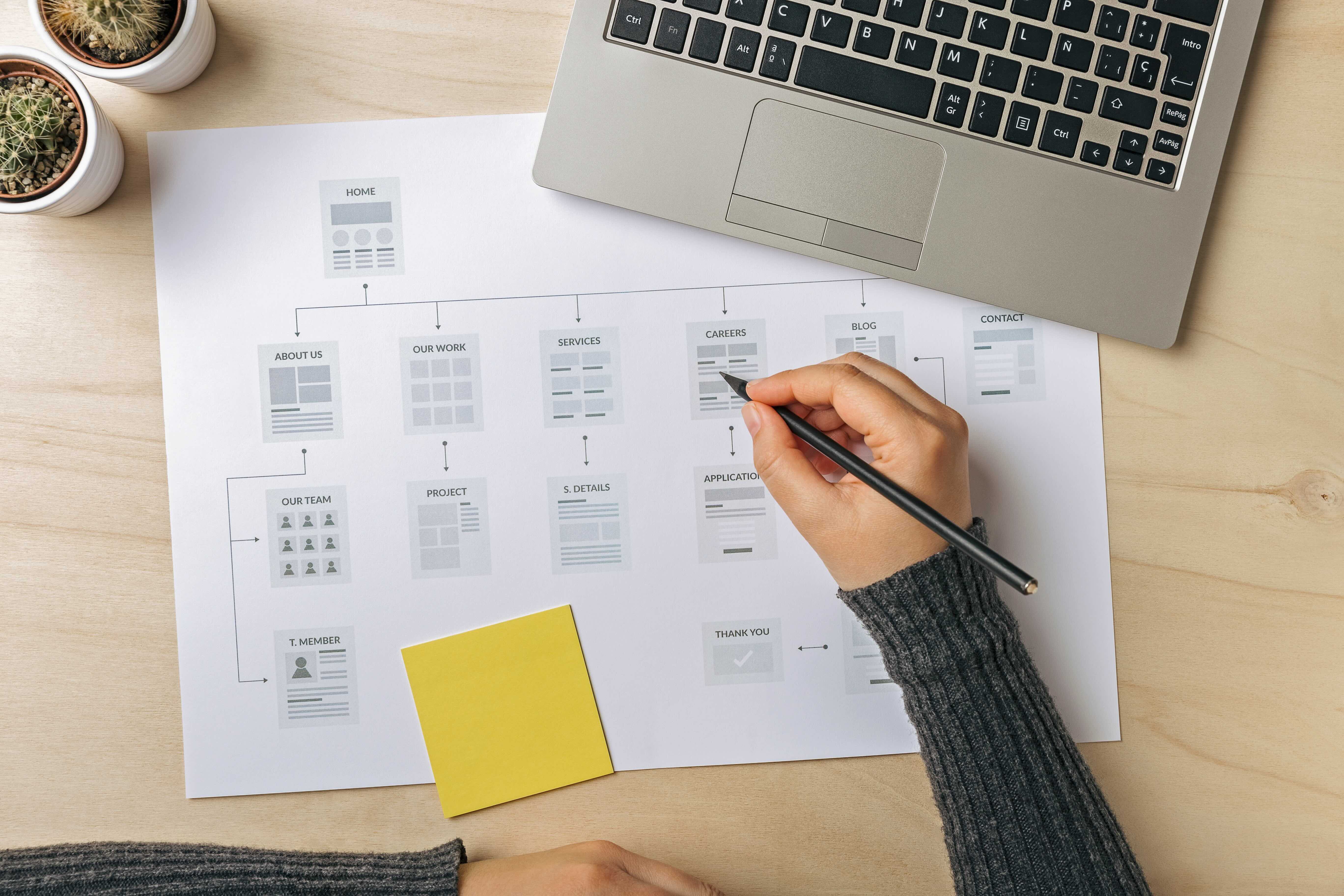
When you bring a web design agency into a project, the engagement usually follows a structured process that begins well before any design work starts. Most agencies open with a discovery phase, where they collect information about your brand, your audience, your competitors, and your conversion goals. From there, they move into wireframing and architecture planning, followed by visual design, development, quality assurance testing, and finally launch. Each stage tends to involve multiple specialists who are accountable to each other as much as they are to you. This internal structure reduces the risk of things falling through the cracks. The agency model also typically includes documented revision cycles, defined deliverables, and contractual obligations that protect both parties. For businesses that need a website to function as a real revenue-generating asset, not just a digital placeholder, this level of process architecture matters.
How the Freelancer Model Works
Working with a freelancer tends to be a more fluid experience. You find someone whose portfolio resonates with you, agree on a scope of work and a rate, and the project moves forward largely through direct communication between you and that one person. For smaller projects with clear parameters, this can be genuinely efficient. A skilled freelancer who knows their craft can move quickly, stay flexible, and offer a degree of personalization that a larger agency sometimes cannot match on a budget. However, because a single person is responsible for the entire output, the project pace and quality are directly tied to their bandwidth, availability, and skill depth. If they specialize in design but are less proficient in development, or vice versa, you may end up with gaps that require additional hires to fill. Freelancer availability is also a real variable, especially if they are managing multiple clients simultaneously.
Key Advantages of Hiring a Web Design Agency
For B2B companies, growing brands, and businesses where the website is central to lead generation or e-commerce revenue, agencies offer structural advantages that are difficult to replicate with a solo operator. Consider what you are actually getting access to when the engagement goes right.
- Cross-functional expertise spanning strategy, UX design, front-end and back-end development, and performance optimization
- Scalability to absorb larger or more complex scopes without capacity bottlenecks
- Established quality assurance processes that catch technical issues before they reach your users
- Accountability structures with defined timelines, contractual protections, and dedicated project management
- Access to platform certifications and partnerships, such as Webflow, Shopify, or WordPress, that reflect verified technical proficiency
- Long-term support retainers for ongoing optimization, maintenance, and growth initiatives
Agencies also tend to bring a more objective strategic perspective. Because they work across multiple industries and client types, they are often quicker to identify what is holding a site back from a conversion rate or user experience standpoint.
Common Drawbacks of the Agency Model
No model is without its friction points. Web design agencies typically come with higher upfront costs, and the more process-oriented structure can sometimes feel slow if you are used to rapid iteration. Communication may go through layers of account management rather than directly to the person doing the work, which can create occasional delays or translation errors on nuanced feedback. For a small business with a simple informational site and a lean budget, a full-service agency engagement may be more than what the project realistically requires. The key is honest scoping, and a good agency will tell you that directly rather than upsell you into a scope that does not fit.
Common Drawbacks of the Freelancer Model
The freelancer model carries its own set of risks that are worth naming plainly. Single-point-of-failure is the most significant one. If your freelancer gets sick, takes on a higher-paying client, or simply goes quiet, your project stalls with limited recourse. Freelancers also vary widely in how they handle contracts, intellectual property ownership, and post-launch support, which can create legal or operational headaches down the line. Skill depth is another genuine concern. A designer who can produce beautiful mockups may not be equipped to implement proper technical SEO, build performant page load speeds, or integrate complex third-party systems. For projects where those elements matter to business outcomes, the limitations of a solo operator can become expensive problems after launch.
How to Make the Right Call for Your Business
The decision really comes down to three things: scope complexity, budget, and what the website is expected to do for your business. If you are a startup needing a quick landing page to test a concept, a talented freelancer may be exactly right. If you are a scaling B2B company building a demand generation engine, or a DTC brand where the website is your primary sales channel, the structured capabilities of an experienced agency are likely worth the investment. In 2026, the performance bar for websites has moved considerably higher. Page speed, Core Web Vitals, mobile-first UX, accessibility compliance, and conversion optimization are no longer optional considerations. They are baseline requirements. The partner you choose needs to be equipped to meet that bar and then some.
Questions to Ask Before You Commit to Either Option
Before signing anything, run through a practical checklist regardless of which direction you are leaning. These questions will surface the information you need to make a clear-headed decision.
- Can they show documented results from previous projects, not just polished portfolio images?
- How is the project managed, and who is your primary point of contact throughout?
- What happens after launch in terms of support, bug fixes, and performance monitoring?
- Who owns the final code, design files, and all associated intellectual property?
- How do they handle scope changes, and is that process documented in the contract?
- What platforms do they work on, and do they hold any verified certifications for those platforms?
These questions apply equally to agencies and freelancers. The answers will tell you a great deal about how professional, transparent, and prepared they are to handle your project.
Why Kreativa Group Belongs in This Conversation
If you have read this far and you are leaning toward working with an agency that actually knows what it is doing, it is worth knowing what Kreativa Group brings to the table. Based in Los Angeles and Miami, Kreativa Group is a full-service marketing and creative agency whose leadership team has managed paid media and digital strategy for multi-billion dollar brands including Newegg, Rakuten, and Fossil Group, and has designed websites and digital experiences for global names like Sandals Resorts, Porsche, Audi, BMW, and legacy ad agencies including Young and Rubicam. The team has also worked inside high-growth startups like Misfit Wearables and HomeLister, both of which reached successful exits. To date, Kreativa Group has driven over $200 million in incremental revenue, averaged over 7x ROAS and a 4% conversion rate, and launched more than two dozen websites across Webflow, Shopify, and WordPress platforms. Kreativa Group sits among the top 1% of all US-based agencies certified across Google Ads, Amazon Ads, Shopify, and Webflow Partner programs simultaneously. What sets them apart is the focus on business outcomes over vanity metrics. If you are ready to explore what a partnership could look like, visit the Kreativa Group website to learn more, or take advantage of their free website and growth audit to get a clear picture of where your current digital presence stands and where it could go.
Frequently Asked Questions About Web Design Agency vs Freelancer
What is the main difference between a web design agency and a freelancer?
A web design agency is a structured team of specialists, including designers, developers, strategists, and project managers, working through a defined process. A freelancer is a single independent professional handling most or all of the project on their own. The core difference is depth of capability, accountability structure, and scalability.
Is a web design agency more expensive than a freelancer?
Generally, yes. Agencies carry higher overhead due to their team structure, tooling, and processes, which is reflected in their pricing. However, the investment often translates to more comprehensive deliverables, documented processes, and lower risk of costly post-launch issues.
When does it make sense to hire a freelancer instead of an agency?
A freelancer can be the right choice for smaller, well-defined projects with limited scope, such as a simple informational site, a single landing page, or a minor redesign where budget is a primary constraint and the website is not a core revenue channel.
What are the risks of hiring a freelance web designer?
The primary risks include single-point-of-failure if the freelancer becomes unavailable, inconsistent skill depth across design and development disciplines, limited contractual protections, and potential gaps in post-launch support and ongoing optimization.
How do I evaluate whether a web design agency is qualified?
Look for documented case studies with measurable results, verified platform certifications such as Webflow or Shopify partner status, a clearly defined project process, and transparent communication about timelines, deliverables, and intellectual property ownership.
Who owns the website after it is built by an agency or freelancer?
Ownership of code, design files, and related assets should be explicitly defined in your contract before the project begins. Reputable agencies and freelancers will transfer full intellectual property rights to the client upon final payment, but this must be confirmed in writing.
Can a web design agency also handle SEO and digital marketing?
Many full-service agencies offer integrated SEO strategy, performance optimization, and digital marketing alongside web design. This integrated approach ensures that the site is built with conversion architecture and search visibility as core priorities from the start, not added as an afterthought.
How long does a web design project typically take with an agency versus a freelancer?
Agency timelines vary by scope but typically range from six to sixteen weeks for a full build, factoring in discovery, design, development, and quality assurance. Freelancers may move faster on smaller scopes but can face capacity issues that extend timelines unexpectedly.
What platforms do web design agencies commonly build on?
The most common platforms in 2026 are Webflow, Shopify, and WordPress. Each serves different use cases: Webflow suits marketing-focused sites with strong design requirements, Shopify is purpose-built for e-commerce, and WordPress offers extensive flexibility for content-heavy or custom builds.
What should I look for in a contract with a web design agency or freelancer?
Your contract should clearly define project scope, deliverables, revision cycles, payment milestones, intellectual property transfer, post-launch support terms, and the process for managing scope changes. Any ambiguity in these areas is a risk worth resolving before the project starts.